

Commentary
- +1
Paul Haenle, Xue Gong, Ngeow Chow Bing, …
{
  "authors": [
    "Paul Haenle"
  ],
  "type": "legacyinthemedia",
  "centerAffiliationAll": "",
  "centers": [
    "Carnegie Endowment for International Peace",
    "Carnegie China"
  ],
  "collections": [
    "U.S.-China Relations",
    "China’s Foreign Relations"
  ],
  "englishNewsletterAll": "",
  "nonEnglishNewsletterAll": "",
  "primaryCenter": "Carnegie China",
  "programAffiliation": "",
  "programs": [],
  "projects": [],
  "regions": [
    "North America",
    "United States",
    "East Asia",
    "China",
    "Taiwan"
  ],
  "topics": [
    "Arms Control",
    "Security",
    "Foreign Policy"
  ]
}
Source: Getty
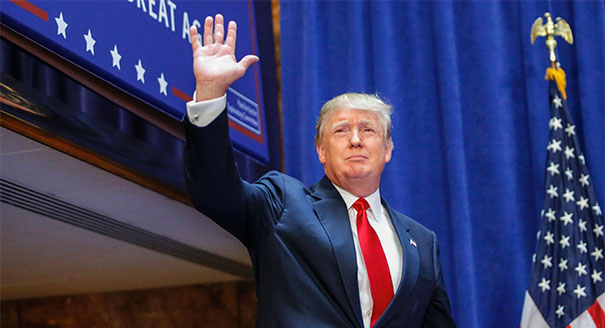
President-elect Trump’s phone call with Tsai Ing-wen raises questions about how the new administration will approach China and issues impacting the Asia-Pacific region.
Source: New York Times
President-elect Donald J. Trump has already made a significant foreign policy move by speaking on the phone with Tsai Ing-wen, the president of Taiwan. The call shattered decades of diplomatic protocol and raised questions about Mr. Trump’s China strategy.
Paul Haenle, the director of the Carnegie-Tsinghua Center for Global Policy in Beijing, is well positioned to gauge Mr. Trump’s action and its consequences. Mr. Haenle is a retired United States Army officer whose interest in East Asia began in the early 1990s, with a deployment to South Korea. He had China-related military assignments at the embassy in Beijing and the Pentagon before serving on the National Security Council for five years. He was China director for the council under President George W. Bush and President Obama.
In an edited interview, Mr. Haenle shares his thoughts on the United States-China relationship in the context of Mr. Trump, Taiwan, and North Korea’s nuclear program.
Paul Haenle: When President-elect Trump deflected criticism of the call by saying it was Tsai Ing-wen that called him, that seemed to play perfectly into China’s hands. The next day, the Chinese foreign minister chalked the call up to “just a small trick by Taiwan.” China will likely now be looking for ways to punish Tsai for the incident. Will the president-elect stand up for Taiwan when that happens? This is one of the real concerns of those who have pushed back against publicizing the phone call.
Paul Haenle: It is difficult to see how Washington, Beijing, and Taipei get to a good place on the Taiwan question in the next several years given the leaderships in each capital.
In my own experience working in the White House during the Chen Shui-bian era, tension in the Taiwan Strait sucked up a lot of the oxygen in the U.S.-China relationship. When tension over Taiwan is at the forefront of U.S.-China relations, it can consume our agenda in a way that prevents us from achieving other important policy objectives, such as making progress on the increasingly dangerous North Korea nuclear issue.
Paul Haenle: Many Chinese I know had concluded during the campaign that Trump would be good for China because he would be a transactional and pragmatic leader. Unlike Secretary Clinton, he might not inject human rights and values in the relationship. Chinese assumed based on his campaign rhetoric that Trump would retreat from Asia, place less emphasis on U.S. alliance commitments and therefore put less strategic pressure on China.
The Trump-Tsai call was a reality check. The most common reaction I have heard in Beijing is a Chinese saying: to give up one’s illusions. It’s increasingly apparent in China that the Trump administration’s vision for the Asia-Pacific will likely mean more strategic pressure, not less. This has been signaled not just on the Taiwan issue, but also in the South China Sea, with Trump’s advisers promising to rebuild the U.S. Navy and repeal defense sequestration, and on North Korea, where Trump has expressed intention to further pressure China in order to make progress on dealing with the nuclear issue.
Paul Haenle: In my perspective, North Korea is the clearest threat we face in the Asia-Pacific region in the near term. The threat assessment has changed in the past year or two, and there is a growing consensus that this issue will need to be addressed under the next administration through a redoubling of deterrence measures, sanctions, and diplomacy. It will be important for the Trump administration to explore whether we can work effectively with China on this issue. If China is unwilling to take necessary steps, the United States may need to move forward unilaterally and with allies to put in place more robust sanctions and to strengthen missile defense systems in the region.
This question is connected to how we assess the Trump-Tsai phone call. If we consider dealing with the threat of North Korean or Iranian nuclear proliferation as top national security threats facing the United States, we need to account for whether or not China’s cooperation would be important in achieving those objectives as we outline our strategy in Asia. In that context, it’s hard to understand how it would make strategic sense that the Tsai call would be the first thing the Trump administration would seek to do as it builds a strategy that is tied to broader U.S. regional interests and objectives.
Paul Haenle: While we need to compete with China and deal firmly in areas where we disagree or feel that U.S. interests are being undermined, there are many issues in the world tied to U.S. interests that come back to whether or not the United States and China can work together.
From that standpoint, it will be very important for President-elect Trump to meet early on with the Chinese leader, Xi Jinping, and to build a personal relationship with him.

Former Maurice R. Greenberg Director’s Chair, Carnegie China
Paul Haenle held the Maurice R. Greenberg Director’s Chair at the Carnegie Endowment for International Peace and is a visiting senior research fellow at the East Asian Institute, National University of Singapore. He served as the White House China director on the National Security Council staffs of former presidents George W. Bush and Barack Obama.
Recent Work


Paul Haenle, Xue Gong, Ngeow Chow Bing, …

Paul Haenle, Chong Ja Ian
Carnegie does not take institutional positions on public policy issues; the views represented herein are those of the author(s) and do not necessarily reflect the views of Carnegie, its staff, or its trustees.
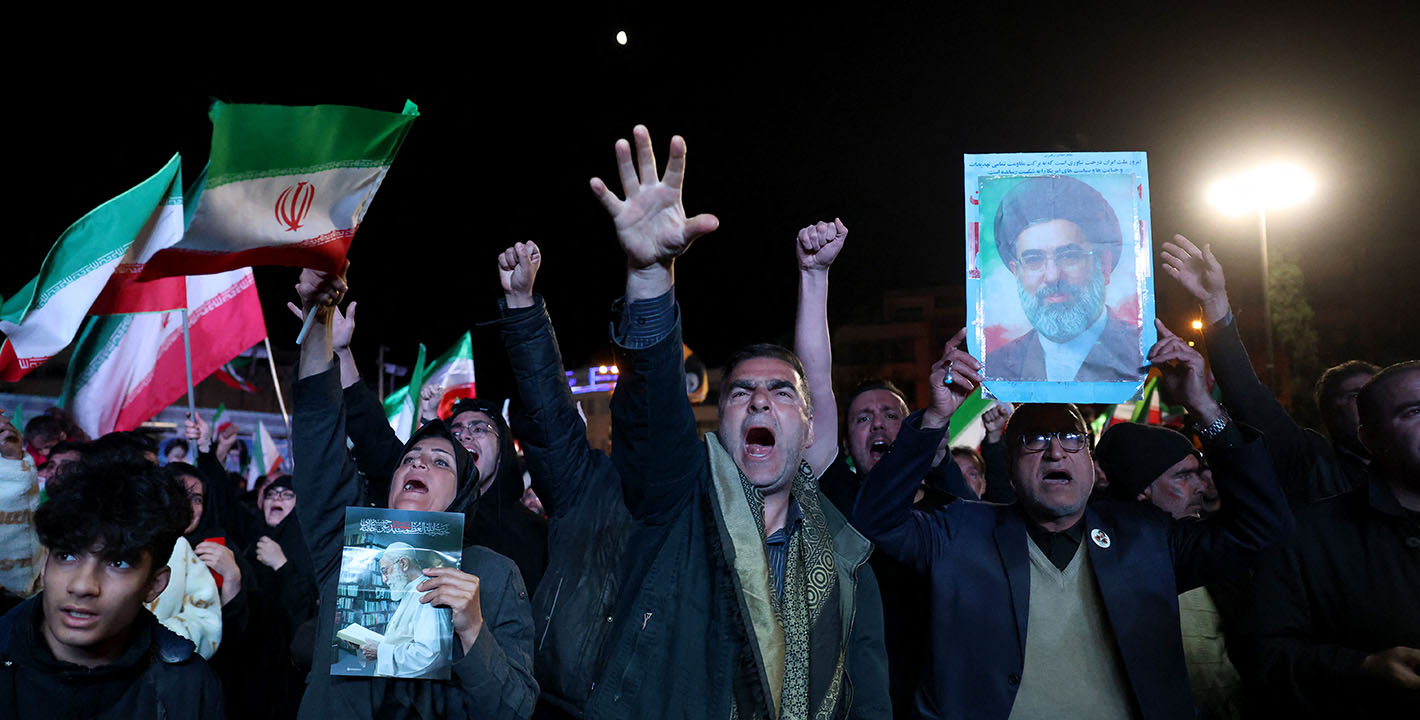
Spot analysis from Carnegie scholars on events relating to the Middle East and North Africa.

Michael Young
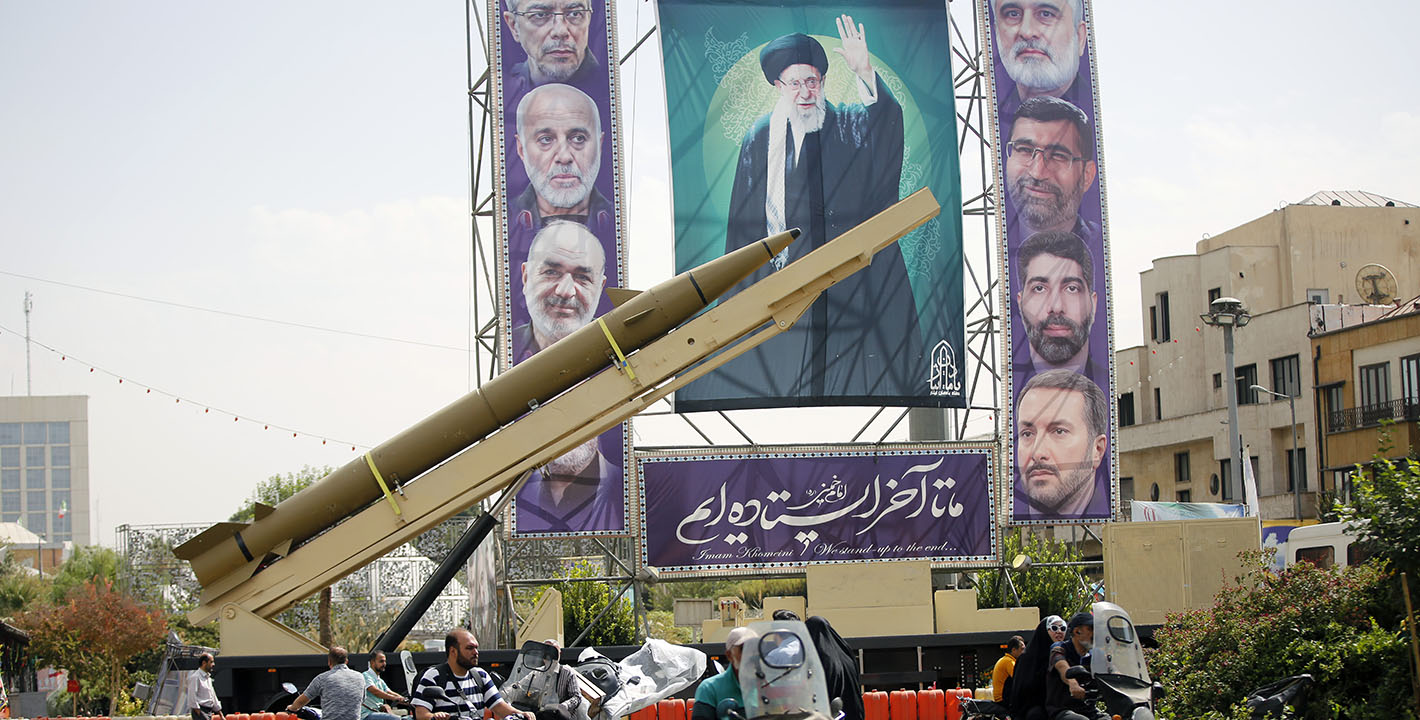
In an interview, Hamidreza Azizi discusses how Tehran has adapted in real time to the conflict with the United States and Israel.
Michael Young
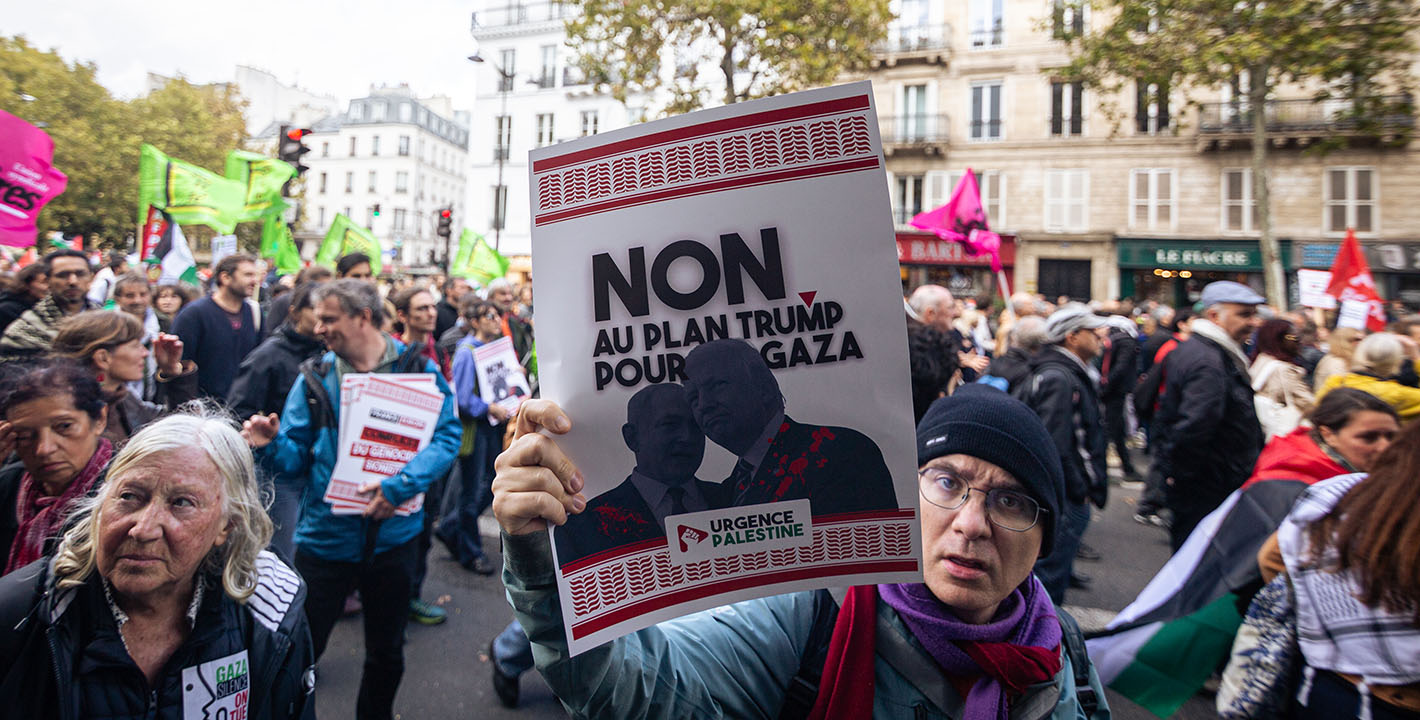
The simple conclusion is that the scheme will bring neither peace nor prosperity, but will institutionalize devastation.

Nathan J. Brown
In an interview, Roger Diwan discusses where the global economy may be going in the third week of the U.S.-Israeli war with Iran.
Nur Arafeh
In an interview, Andrew Leber discusses the impact the U.S. and Israeli war against Iran is having on Arab Gulf states.
Michael Young