
Just look at Iraq in 1991.
Marwan Muasher
{
"authors": [
"Dalia Ghanem",
"Raquel Barras Tejudo",
"Giovanni Faleg",
"Yahia H. Zoubir"
],
"type": "other",
"centerAffiliationAll": "dc",
"centers": [
"Carnegie Endowment for International Peace",
"Malcolm H. Kerr Carnegie Middle East Center"
],
"collections": [],
"englishNewsletterAll": "menaTransitions",
"nonEnglishNewsletterAll": "",
"primaryCenter": "Malcolm H. Kerr Carnegie Middle East Center",
"programAffiliation": "MEP",
"programs": [
"Middle East"
],
"projects": [],
"regions": [
"Maghreb",
"North Africa"
],
"topics": [
"Security"
]
}Source: Getty
The Sahel is a source of high instability for the Maghreb and by extension for Europe.
Source: EuroMeSCo
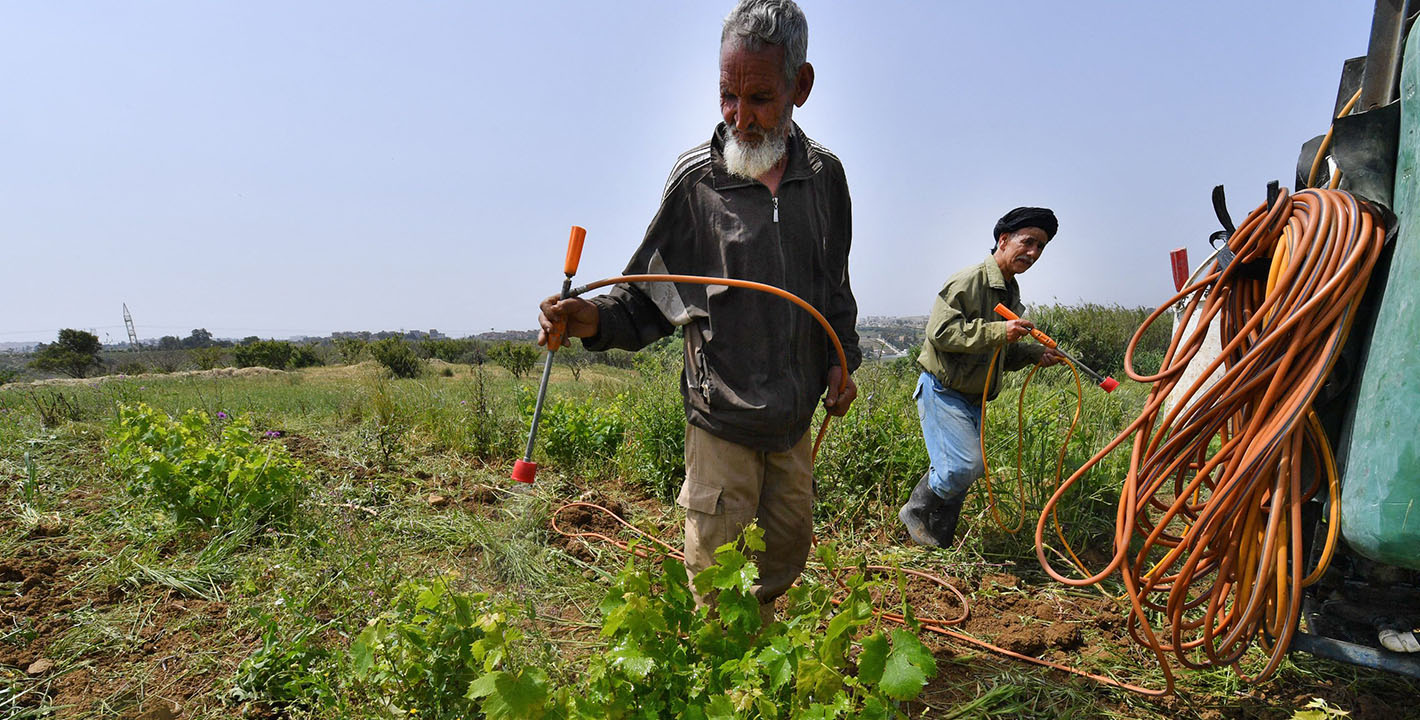
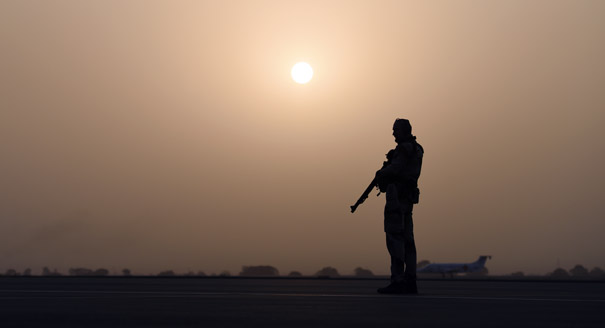
Over the last decade, the EU’s engagement in the Sahel region has dramatically increased and is now more than ever focused on security. The Sahel has been suffering from a multidimensional crisis, such as poor governance, corruption, structural weaknesses and underdevelopment, while challenges such as droughts and famine affect all levels of society and can lead to strikes, revolts and violence. One must also add criminality, illicit trafficking and the rise of Jihadism. As a result, the Sahel is a source of high instability for the Maghreb and by extension for Europe.
The EU has been fostering bilateral and multilateral initiatives with Sahelian countries and tried to improve the dire socioeconomic conditions and the security situation. Despite all these efforts, the Sahel remains a quagmire and is likely to continue to be for the next decade. To stop the dangers coming from the Sahel, the EU must harmonise its multiple approaches to the region and ensure the ownership of Sahelian states over what happens and what is being undertaken, notably through the African Union and the Economic Community of West African States. Moreover, the EU has to treat regional partners such as Algeria like fully-fledged partners in Sahelian affairs.
The Joint Policy Study is composed of four chapters. The first chapter assesses the Jihadist threat in the Sahel; the second the impacts of foreign interventions; the third weighs the importance of including Algeria, an indisputable military power and peace broker; and, finally, the fourth assesses climate and demographic challenges for Sahelian security. All four chapters provide EU policy-makers with a set of policy recommendations to better approach what have become Europe’s African borders.
This Joint Policy Study was written in the framework of the EuroMeSCo Working Package “Sahel and Security in the Mediterranean”, led by Dr. Dalia Ghanem-Yazbeck, Resident Scholar at Carnegie Middle East Centre.
Former Senior Resident Scholar, Malcolm H. Kerr Carnegie Middle East Center
Dalia Ghanem was a senior resident scholar at the Malcolm H. Kerr Carnegie Middle East Center in Beirut, where her research focuses on Algeria’s political, economic, social, and security developments. Her research also examines political violence, radicalization, civil-military relationships, transborder dynamics, and gender.
Raquel Barras Tejudo
Giovanni Faleg
Yahia H. Zoubir
Carnegie does not take institutional positions on public policy issues; the views represented herein are those of the author(s) and do not necessarily reflect the views of Carnegie, its staff, or its trustees.
Just look at Iraq in 1991.
Marwan Muasher
The recent African Cup of Nations tournament in Morocco touched on issues that largely transcended the sport.
Issam Kayssi, Yasmine Zarhloule
Baku may allow radical nationalists to publicly discuss “reunification” with Azeri Iranians, but the president and key officials prefer not to comment publicly on the protests in Iran.
Bashir Kitachaev
The UN Support Mission in the country should reassess its approach so that consensus between the warring parties becomes the eventual goal, rather than a procedural matter that dogs the negotiating process at every turn.
Soraya Rahem
Mustaqbal Misr has expanded its portfolio with remarkable speed, but a lack of transparency remains.
Yezid Sayigh