

Paper
- +3
Rajesh Bansal, Anirudh Burman, Rudra Chaudhuri, …
{
  "authors": [
    "Srinath Raghavan"
  ],
  "type": "other",
  "centerAffiliationAll": "",
  "centers": [
    "Carnegie Endowment for International Peace",
    "Carnegie India"
  ],
  "collections": [],
  "englishNewsletterAll": "",
  "nonEnglishNewsletterAll": "",
  "primaryCenter": "Carnegie India",
  "programAffiliation": "",
  "programs": [],
  "projects": [
    "Security Studies"
  ],
  "regions": [
    "United States",
    "Asia",
    "South Asia",
    "Pakistan",
    "India"
  ],
  "topics": [
    "Foreign Policy"
  ]
}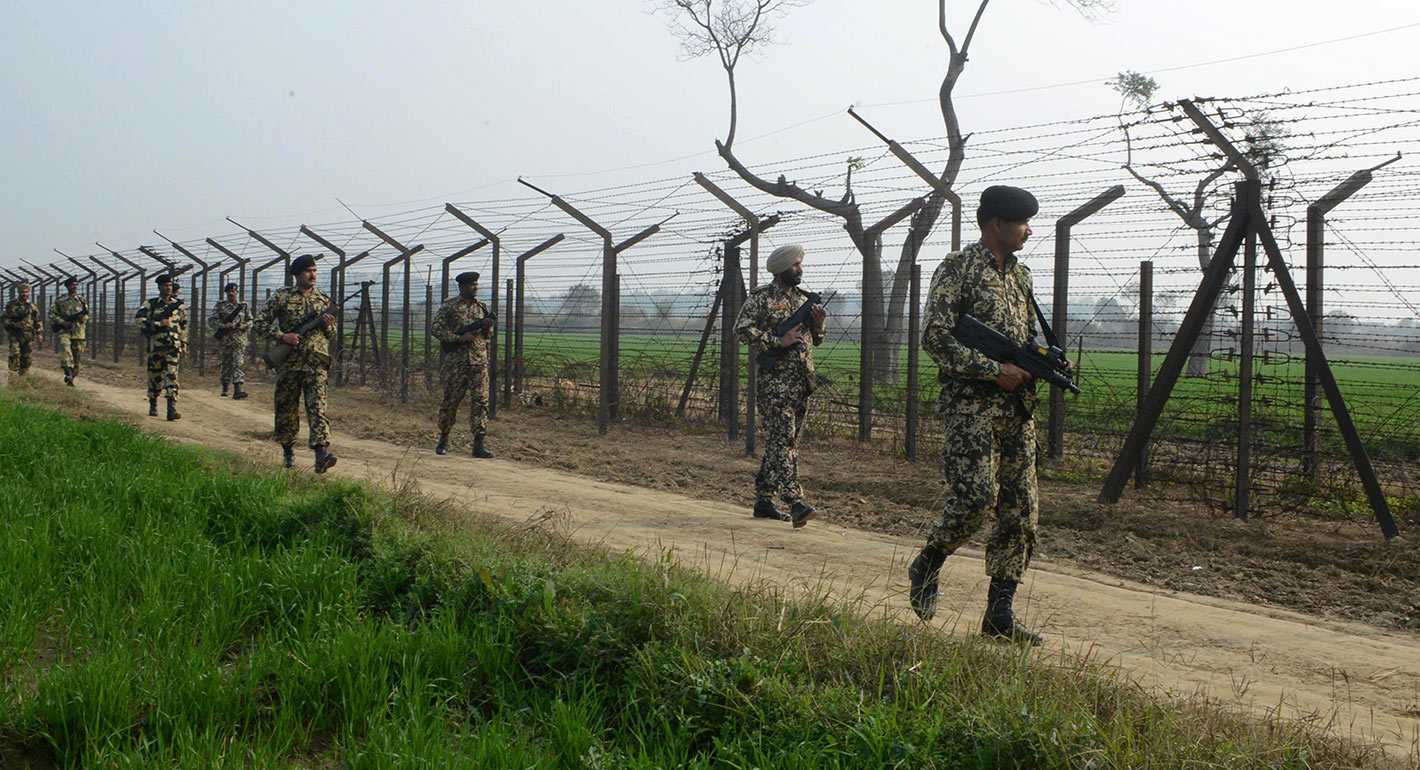
Source: Getty
The rise of India as a major Asian power is a significant geopolitical process of our times.
Source: Journal of Strategic Studies
The rise of India as a major Asian power is a significant geopolitical process of our times. While India’s growing economic heft is undoubtedly true, it is also a partial and an ahistorical reading. On the one hand, it assumes that the institutional sinews of power flow automatically from economic growth. On the other hand, it overlooks the longer trajectory of India's rise going back to the decade preceding independence – an arc of historical evolution that marks out India from many other post-colonial states. This article identifies India’s participation in the second World War as the starting point of its ‘long rise’ as an Asian power. In analyzing the military transformations that India underwent during the war, it focuses on the institutional dimension of these changes and considers the longer-term changes wrought by the war in the composition of the army, the logistical and support infrastructure, and the emergence of an indigenous military industrial base. Taken together, the article argues, these changes positioned India as a potential regional military power even before it emerged as an independent actor in the international system.
This article was originally published in a special issue of the Journal of Strategic Studies.

Nonresident Senior Fellow
Srinath Raghavan is a nonresident senior fellow at Carnegie India. His primary research focus is on the contemporary and historical aspects of India’s foreign and security policies.
Recent Work


Rajesh Bansal, Anirudh Burman, Rudra Chaudhuri, …
Srinath Raghavan
Carnegie does not take institutional positions on public policy issues; the views represented herein are those of the author(s) and do not necessarily reflect the views of Carnegie, its staff, or its trustees.

By failing to address Palestinian representation, the current process is bound to lead to just another temporary arrangement.

Nathan J. Brown

Morocco and Algeria, each in its own way, are having to navigate the global economic fallout of the U.S.-Israeli military campaign against Iran.

Yasmine Zarhloule
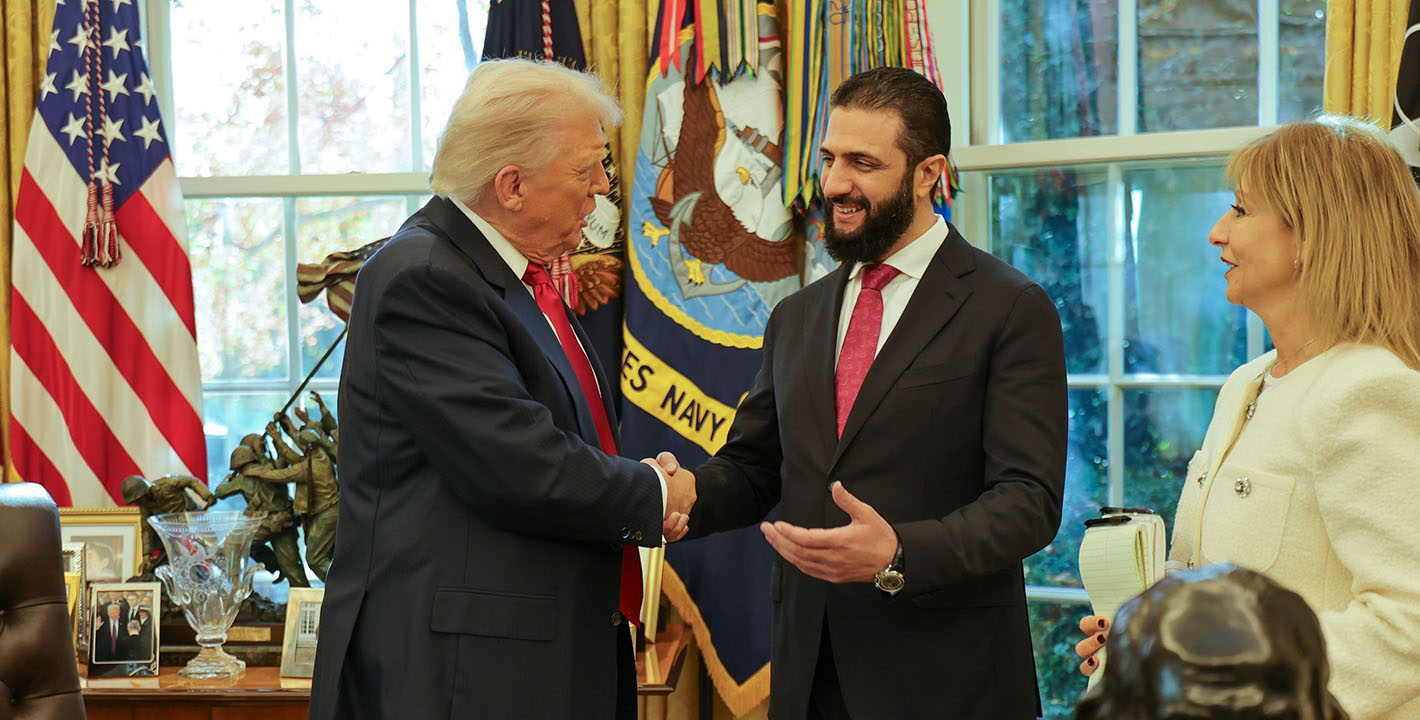
Any move by the United States to make good on Trump’s suggestion that Washington persuade Damascus to confront Hezbollah militarily would have catastrophic consequences.
Kheder Khaddour
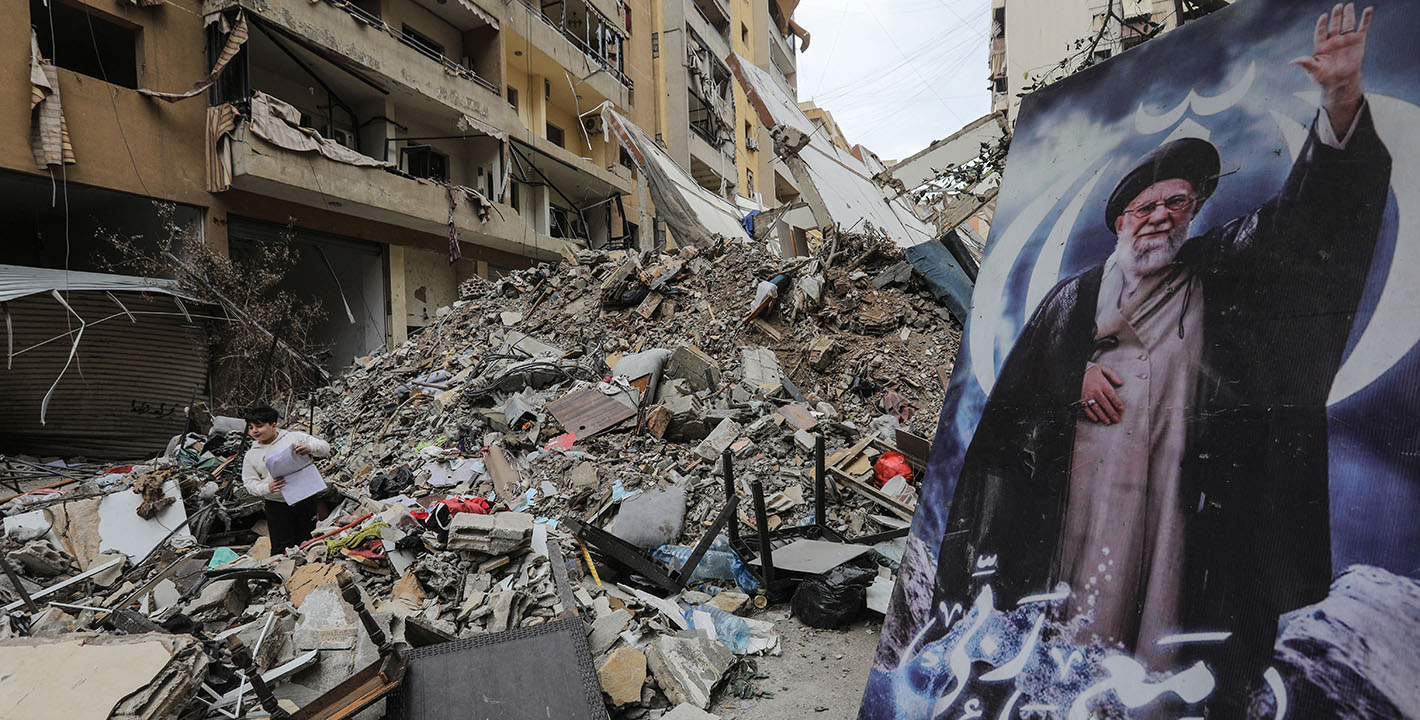
As talks begin between Washington and Tehran, Beirut has an opening to advance a regional plan for the party’s disarmament.

Michael Young
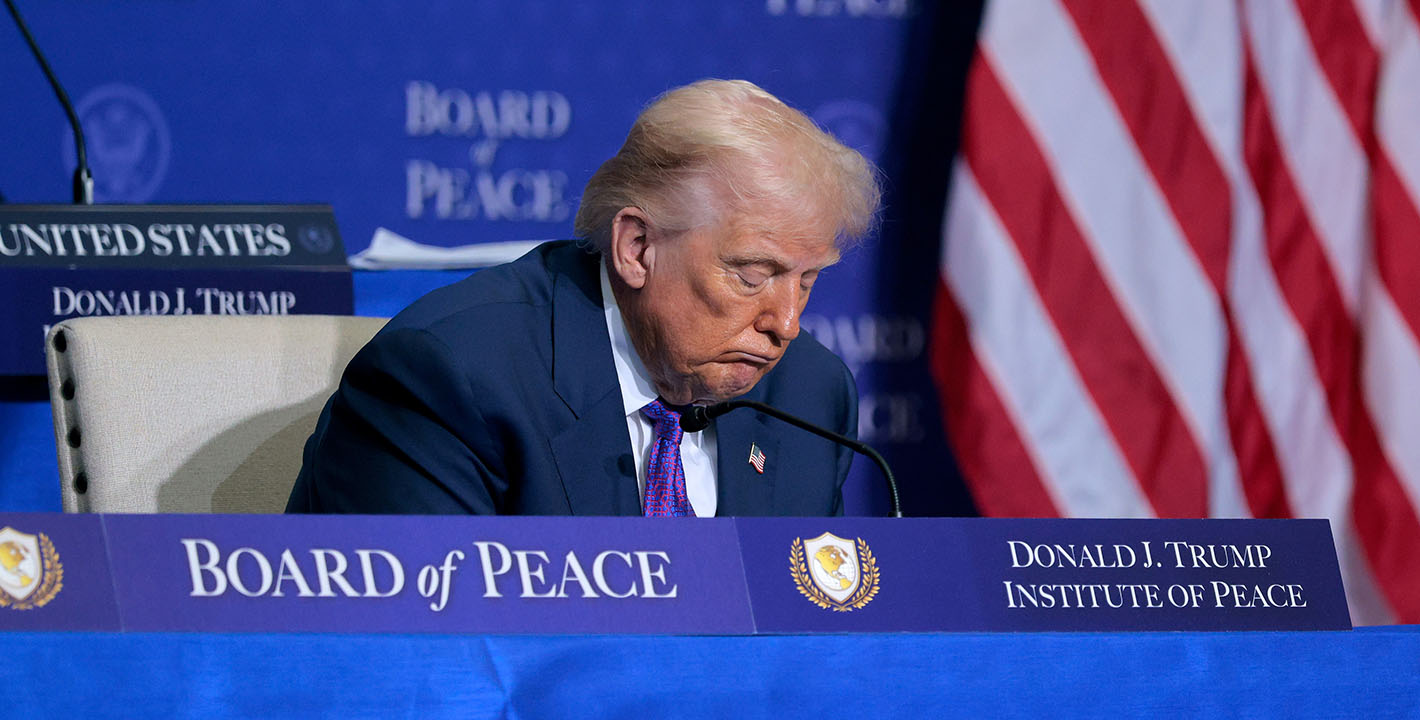
What is behind Marco Rubio’s announcement that the body is now an international nongovernmental organization?
Zaha Hassan