

Paper
Eugene Rumer, Richard Sokolsky
{
  "authors": [
    "Richard Sokolsky"
  ],
  "type": "other",
  "centerAffiliationAll": "",
  "centers": [
    "Carnegie Endowment for International Peace"
  ],
  "collections": [],
  "englishNewsletterAll": "",
  "nonEnglishNewsletterAll": "",
  "primaryCenter": "Carnegie Endowment for International Peace",
  "programAffiliation": "",
  "programs": [],
  "projects": [],
  "regions": [
    "East Asia",
    "North Korea"
  ],
  "topics": [
    "Political Reform",
    "Security",
    "Military"
  ]
}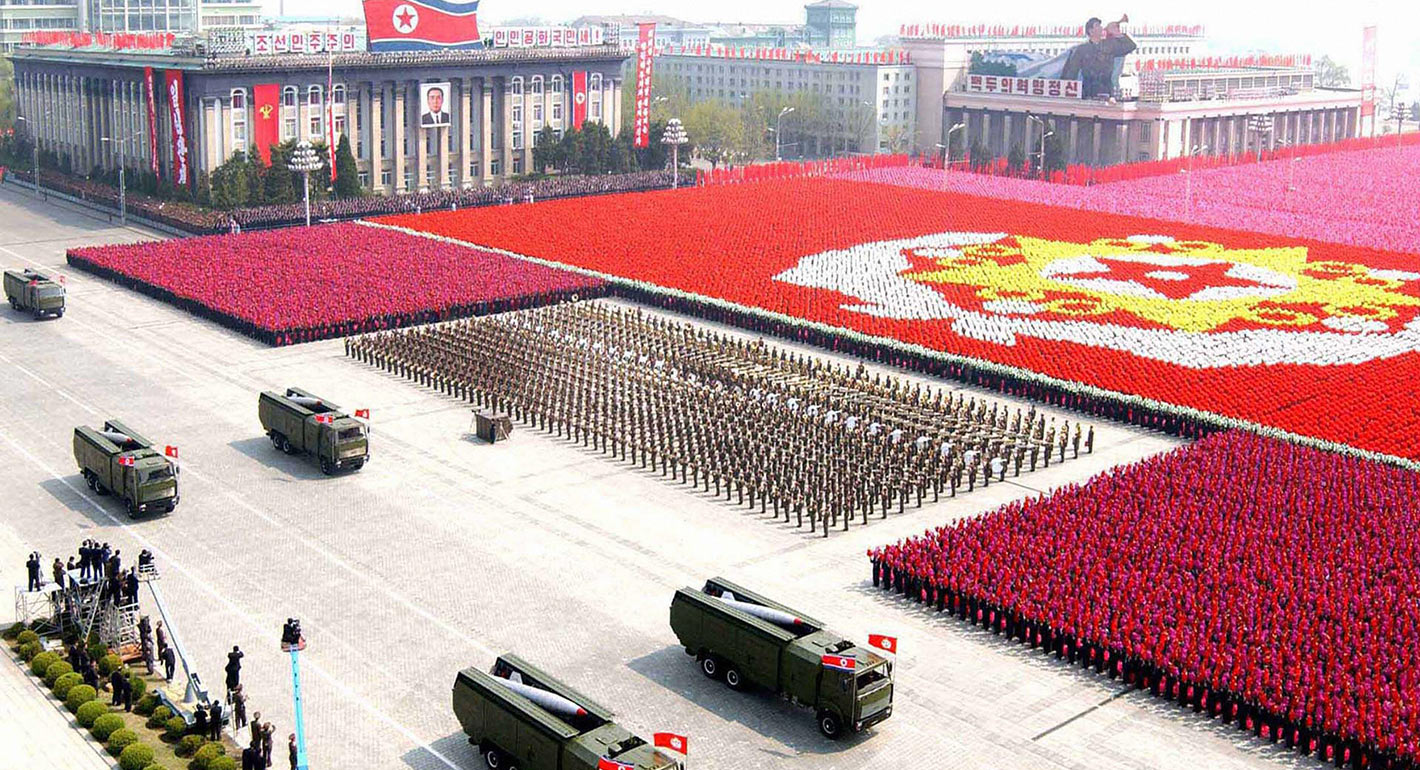
Source: Getty
Whether Pyongyang has the capacity and the resources for large-scale demobilization and reintegration—and is prepared to implement market reforms that would be required to make the most efficient use of these resources—remains an open question.
Source: 38 North
Kim Jong Un has used military personnel in the past to carry out civilian construction and infrastructure projects and in his 2019 New Year address, the North Korean leader mentioned the importance of the military in the country’s construction projects. Kim has also reportedly expressed his desire to reallocate resources from the military to the civilian sector, which could include future manpower reductions if North Korea decides that peace and security on the peninsula would allow it to downsize its conventional forces. Whether Pyongyang has the capacity and the resources, however, for large-scale demobilization and reintegration—and is prepared to implement market reforms that would be required to make the most efficient use of these resources—remains an open question. South Korea might be willing and able to help Pyongyang develop a viable plan to deactivate many of its troops and reintegrate them into the civilian economy, but a multilateral effort will likely be required depending on the scope and pace of the effort.
Nonresident Senior Fellow, Russia and Eurasia Program
Richard Sokolsky is a nonresident senior fellow in Carnegie’s Russia and Eurasia Program. His work focuses on U.S. policy toward Russia in the wake of the Ukraine crisis.
Recent Work
Eugene Rumer, Richard Sokolsky
Eugene Rumer, Richard Sokolsky
Carnegie does not take institutional positions on public policy issues; the views represented herein are those of the author(s) and do not necessarily reflect the views of Carnegie, its staff, or its trustees.

The armed forces champion a form of capitalism that is generating revenue, but its reliance on rent faces diminishing returns, leaving the country with massive sunk costs and deferred returns, deepening dependency on external borrowing.

Yezid Sayigh

Just look at Iraq in 1991.

Marwan Muasher

Baku may allow radical nationalists to publicly discuss “reunification” with Azeri Iranians, but the president and key officials prefer not to comment publicly on the protests in Iran.

Bashir Kitachaev
In addressing Hezbollah’s disarmament, the Lebanese state must start by increasing its own leverage.

Michael Young
The country’s political and military establishment is still debating how to interpret the recent war’s outcome.

Nicole Grajewski