

Commentary
In an interview, Rozina Ali discusses her new book on the rise and manifestations of Islamophobia in the United States.
Michael Young
{
  "authors": [
    "Jake Sullivan",
    "Kurt M. Campbell"
  ],
  "type": "legacyinthemedia",
  "centerAffiliationAll": "dc",
  "centers": [
    "Carnegie Endowment for International Peace"
  ],
  "collections": [],
  "englishNewsletterAll": "americanStatecraft",
  "nonEnglishNewsletterAll": "",
  "primaryCenter": "Carnegie Endowment for International Peace",
  "programAffiliation": "ASP",
  "programs": [
    "American Statecraft"
  ],
  "projects": [],
  "regions": [
    "North America",
    "United States",
    "East Asia",
    "China"
  ],
  "topics": [
    "Foreign Policy"
  ]
}
Source: Getty
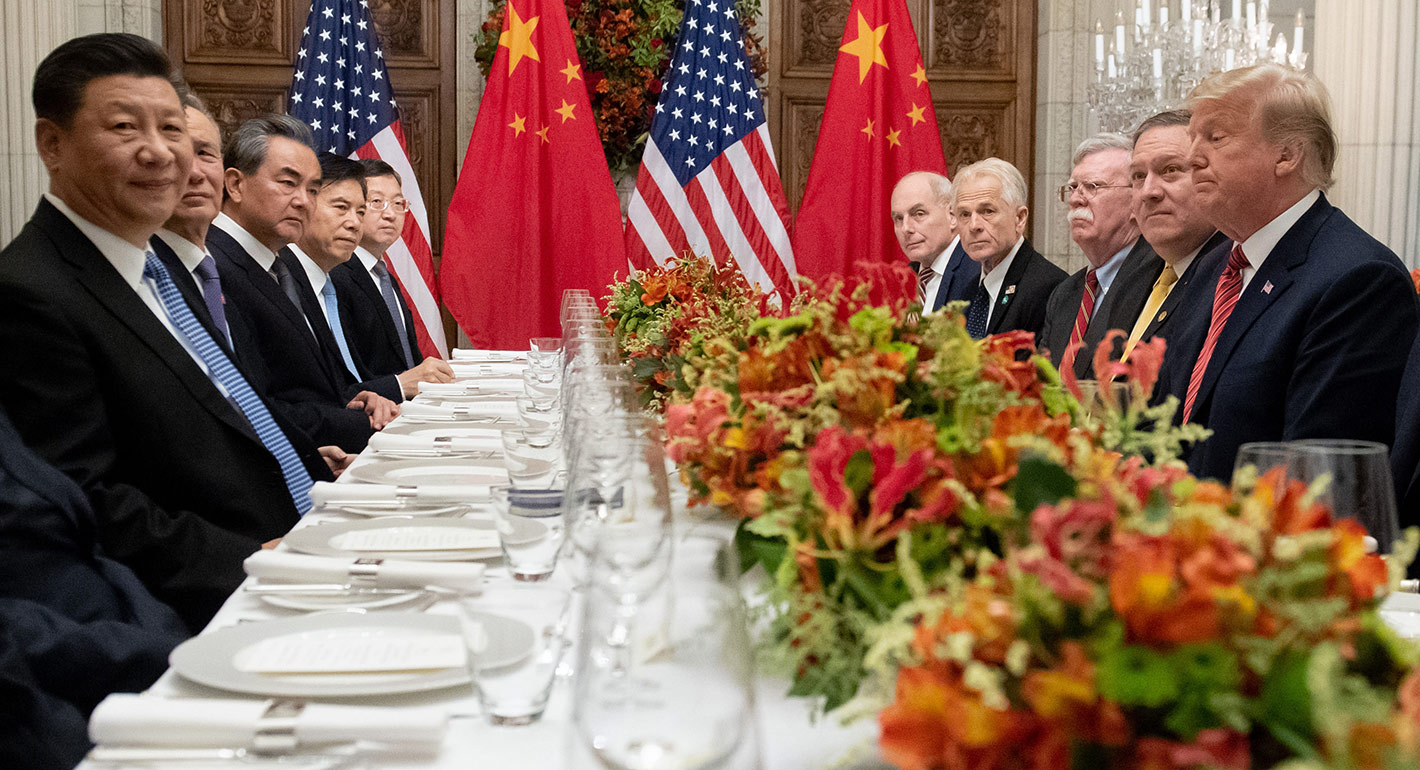
The United States is in the midst of the most consequential rethinking of its foreign policy since the end of the Cold War. Although Washington remains bitterly divided on most issues, there is a growing consensus that the era of engagement with China has come to an unceremonious close.
Source: Foreign Affairs
The United States is in the midst of the most consequential rethinking of its foreign policy since the end of the Cold War. Although Washington remains bitterly divided on most issues, there is a growing consensus that the era of engagement with China has come to an unceremonious close. The debate now is over what comes next.
Like many debates throughout the history of U.S. foreign policy, this one has elements of both productive innovation and destructive demagoguery. Most observers can agree that, as the Trump administration’s National Security Strategy put it in 2018, “strategic competition” should animate the United States’ approach to Beijing going forward. But foreign policy frameworks beginning with the word “strategic” often raise more questions than they answer. “Strategic patience” reflects uncertainty about what to do and when. “Strategic ambiguity” reflects uncertainty about what to signal. And in this case, “strategic competition” reflects uncertainty about what that competition is over and what it means to win.
The rapid coalescence of a new consensus has left these essential questions about U.S.-Chinese competition unanswered. What, exactly, is the United States competing for? And what might a plausible desired outcome of this competition look like? A failure to connect competitive means to clear ends will allow U.S. policy to drift toward competition for competition’s sake and then fall into a dangerous cycle of confrontation....
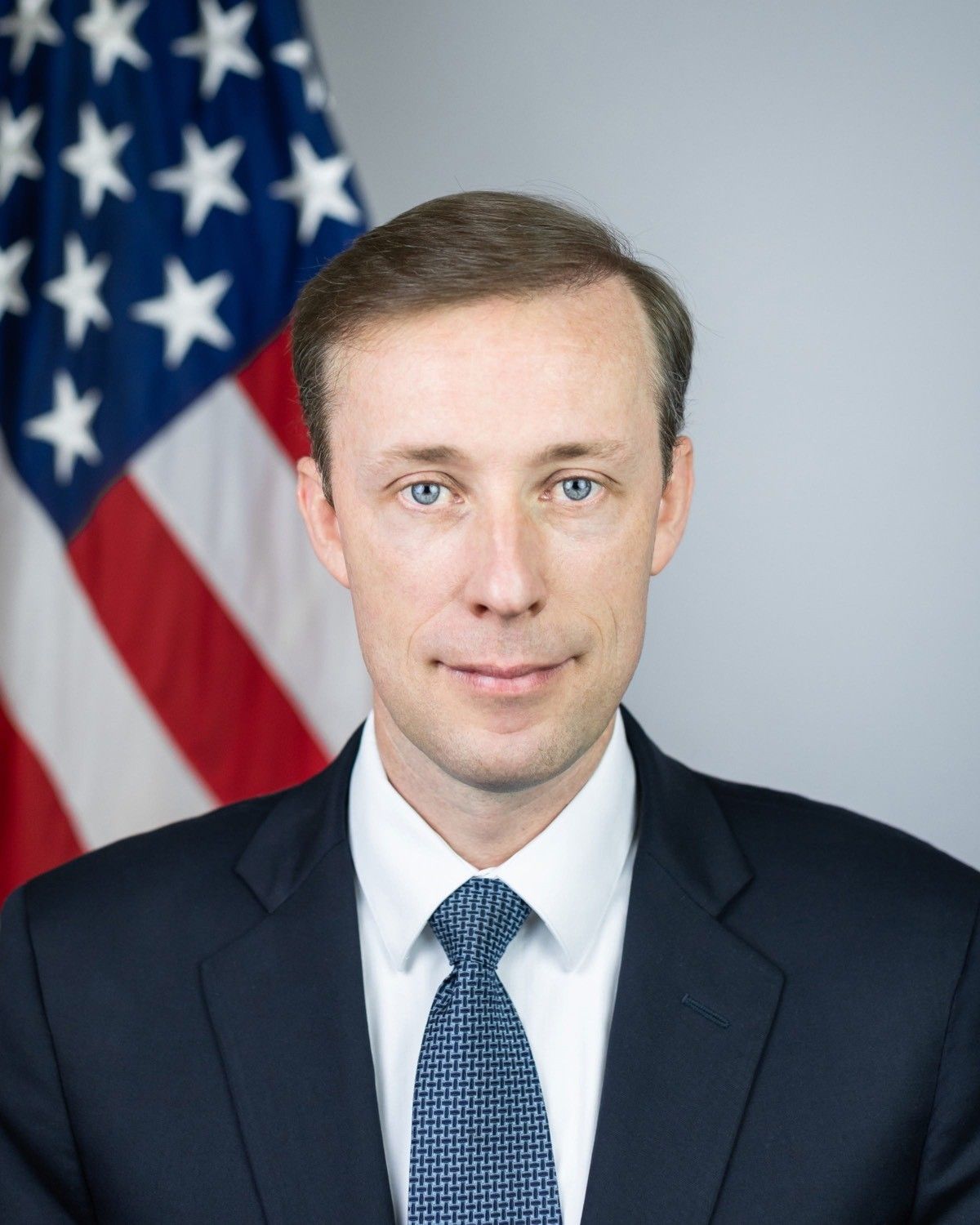
Former U.S. National Security Advisor to Former President Joe Biden
Jake Sullivan, a senior fellow at the University of New Hampshire's Carsey School of Public Policy, served as the United States national security advisor to former President Joe Biden from 2021 to 2025. Sullivan previously served as deputy assistant to former President Barack Obama, national security advisor to former Vice President Biden, director of policy planning in the State Department, and as deputy chief of staff to former U.S. Secretary of State Hillary Clinton.
Kurt M. Campbell
Kurt M. Campbell is Chair and CEO of the Asia Group. He is 2018-19 Kissinger Fellow at the McCain Institute and was U.S. Assistant Secretary of State for East Asian and Pacific Affairs from 2009 to 2013
Carnegie does not take institutional positions on public policy issues; the views represented herein are those of the author(s) and do not necessarily reflect the views of Carnegie, its staff, or its trustees.

In an interview, Rozina Ali discusses her new book on the rise and manifestations of Islamophobia in the United States.

Michael Young

In an interview, Ian Lustick and Eli Clifton discuss their new book on why a prominent ally has so much influence in America.
Michael Young

As the U.S. stumbles in its war with Iran, we are likely to see an acceleration of its disengagement from the region.
Michael Young

Middle Eastern states should welcome an accelerated U.S. disengagement from their region.
Michael Young

In an interview, former ambassador Charles Freeman assesses the Trump administration’s war against Iran.
Michael Young