• Research
  • Diwan
  • About
  • Experts
Carnegie Middle East logoCarnegie lettermark logo
LebanonIran
{
  "authors": [
    "Ashley J. Tellis"
  ],
  "type": "other",
  "centerAffiliationAll": "dc",
  "centers": [
    "Carnegie Endowment for International Peace"
  ],
  "collections": [],
  "englishNewsletterAll": "ctw",
  "nonEnglishNewsletterAll": "",
  "primaryCenter": "Carnegie Endowment for International Peace",
  "programAffiliation": "SAP",
  "programs": [
    "South Asia"
  ],
  "projects": [],
  "regions": [
    "South Asia",
    "India"
  ],
  "topics": [
    "Security",
    "Military"
  ]
}
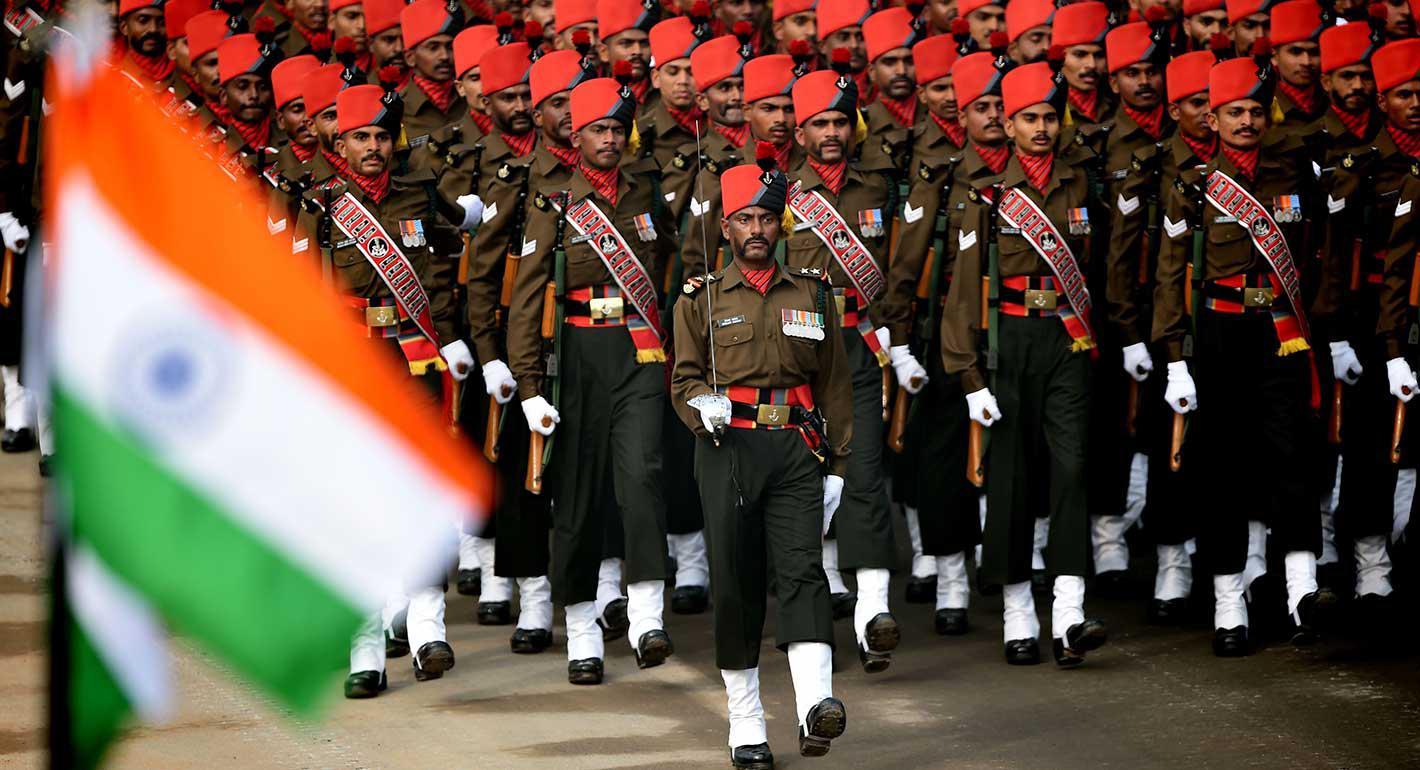
Source: Getty

Other

India: Capable but Constrained

The Indian Armed Forces are large and competent, but they face significant internal security challenges as well as major external dangers from China and Pakistan.

Link Copied
By Ashley J. Tellis
Published on Oct 30, 2020

Source: United States Army War College Press

Key Points

  • The Indian Armed Forces are large and competent, but they face significant internal security challenges as well as major external dangers from China and Pakistan.
  • An underperforming economy has constrained military budgets and largely confined the Indian military to ensuring internal security and protecting the country’s frontiers.
  • Indian policy makers have expressed an interest in the country playing a more significant role in the wider Indo-Pacific region, but they still eschew the kind of strategic partnerships that would make enhanced power projection possible.

Read Full Text

This chapter was originally published in A Hard Look at Hard Power: Assessing the Defense Capabilities of Key US Allies and Security Partners—Second Edition, by the United States Army War College Press.

About the Author

Ashley J. Tellis

Former Senior Fellow

Ashley J. Tellis was a senior fellow at the Carnegie Endowment for International Peace.

    Recent Work

  • Paper
    Multipolar Dreams, Bipolar Realities: India’s Great Power Future

      Ashley J. Tellis

  • Commentary
    India Sees Opportunity in Trump’s Global Turbulence. That Could Backfire.

      Ashley J. Tellis

Ashley J. Tellis
Former Senior Fellow
SecurityMilitarySouth AsiaIndia

Carnegie does not take institutional positions on public policy issues; the views represented herein are those of the author(s) and do not necessarily reflect the views of Carnegie, its staff, or its trustees.

More Work from Malcolm H. Kerr Carnegie Middle East Center

  • people watching smoke rising at sunrise from rooftops
    Commentary
    Emissary
    Bombing Campaigns Do Not Bring About Democracy. Nor Does Regime Change Without a Plan.

    Just look at Iraq in 1991.

      Marwan Muasher

  • Commentary
    Carnegie Politika
    Baku Proceeds With Caution as Ethnic Azeris Join Protests in Neighboring Iran

    Baku may allow radical nationalists to publicly discuss “reunification” with Azeri Iranians, but the president and key officials prefer not to comment publicly on the protests in Iran.

      Bashir Kitachaev

  • Commentary
    Diwan
    Beirut Can Do More on Tom Barrack’s Proposal

    In addressing Hezbollah’s disarmament, the Lebanese state must start by increasing its own leverage.

      Michael Young
  • Commentary
    Diwan
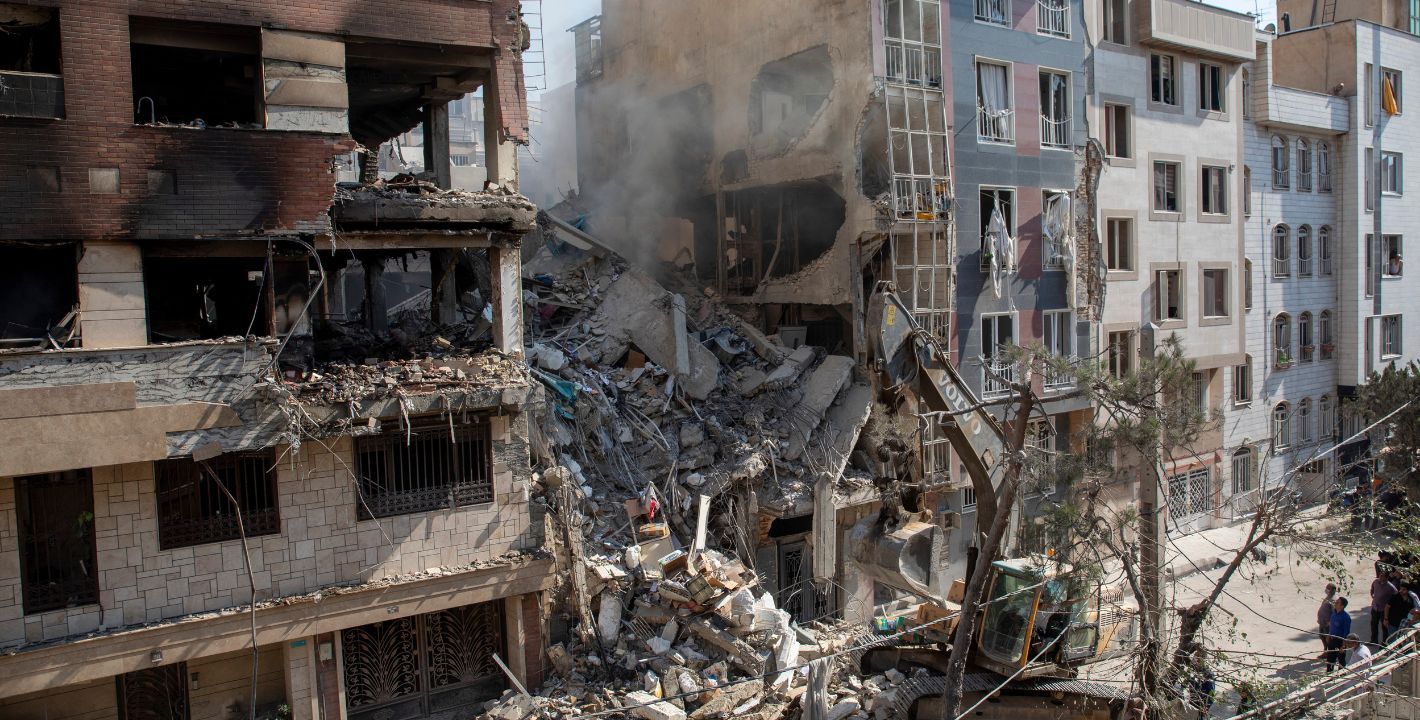
    Iran After the Battle

    The country’s political and military establishment is still debating how to interpret the recent war’s outcome.
      • Nicole Grajewski Profile Picture

      Nicole Grajewski

  • Commentary
    Diwan
    The United States Has Attacked Iran’s Nuclear Facilities

    Spot analysis from Carnegie scholars on events relating to the Middle East and North Africa.

      Mohanad Hage Ali

Get more news and analysis from
Malcolm H. Kerr Carnegie Middle East Center
Carnegie Middle East logo, white
  • Research
  • Diwan
  • About
  • Experts
  • Projects
  • Events
  • Contact
  • Careers
  • Privacy
  • For Media
Get more news and analysis from
Malcolm H. Kerr Carnegie Middle East Center
© 2026 Carnegie Endowment for International Peace. All rights reserved.


