

Commentary
The accord represents a pivotal moment in the region to avert a security vacuum in the Gulf.
Azeema Cheema, Mohanad Hage Ali
{
  "authors": [
    "Joost Hiltermann",
    "Stephan Roll",
    "Yara Hawari",
    "Karim Nammour",
    "Louisa Dris Ait Hamadouche",
    "Nacer Djabi",
    "Albaqir al-Afif Mukhtar",
    "Akram al-Bunni",
    "Nadege Lahmar",
    "Ahmed Nagi"
  ],
  "type": "legacyinthemedia",
  "centerAffiliationAll": "",
  "centers": [
    "Carnegie Endowment for International Peace",
    "Malcolm H. Kerr Carnegie Middle East Center"
  ],
  "collections": [],
  "englishNewsletterAll": "",
  "nonEnglishNewsletterAll": "",
  "primaryCenter": "Malcolm H. Kerr Carnegie Middle East Center",
  "programAffiliation": "",
  "programs": [],
  "projects": [],
  "regions": [
    "Yemen",
    "Middle East"
  ],
  "topics": [
    "Political Reform"
  ]
}
REQUIRED IMAGE
Challenges to governance across the Arab region are likely to exacerbate in light of the strain produced by the COVID-19 crisis.
Joost Hiltermann
Stephan Roll
Yara Hawari
Karim Nammour
Louisa Dris Ait Hamadouche
Nacer Djabi
Albaqir al-Afif Mukhtar
Akram al-Bunni
Nadege Lahmar
Senior Analyst at the International Crisis Group
Ahmed Nagi is a senior Analyst at the International Crisis Group.
Carnegie does not take institutional positions on public policy issues; the views represented herein are those of the author(s) and do not necessarily reflect the views of Carnegie, its staff, or its trustees.

The accord represents a pivotal moment in the region to avert a security vacuum in the Gulf.


Azeema Cheema, Mohanad Hage Ali

In an interview, Jason Burke discusses his sweeping account of the “revolutionists” who so shaped the 1970s and early 1980s.

Michael Young
There is a disturbing structural parallel between the old global energy economy and the new green transition.

Angie Omar
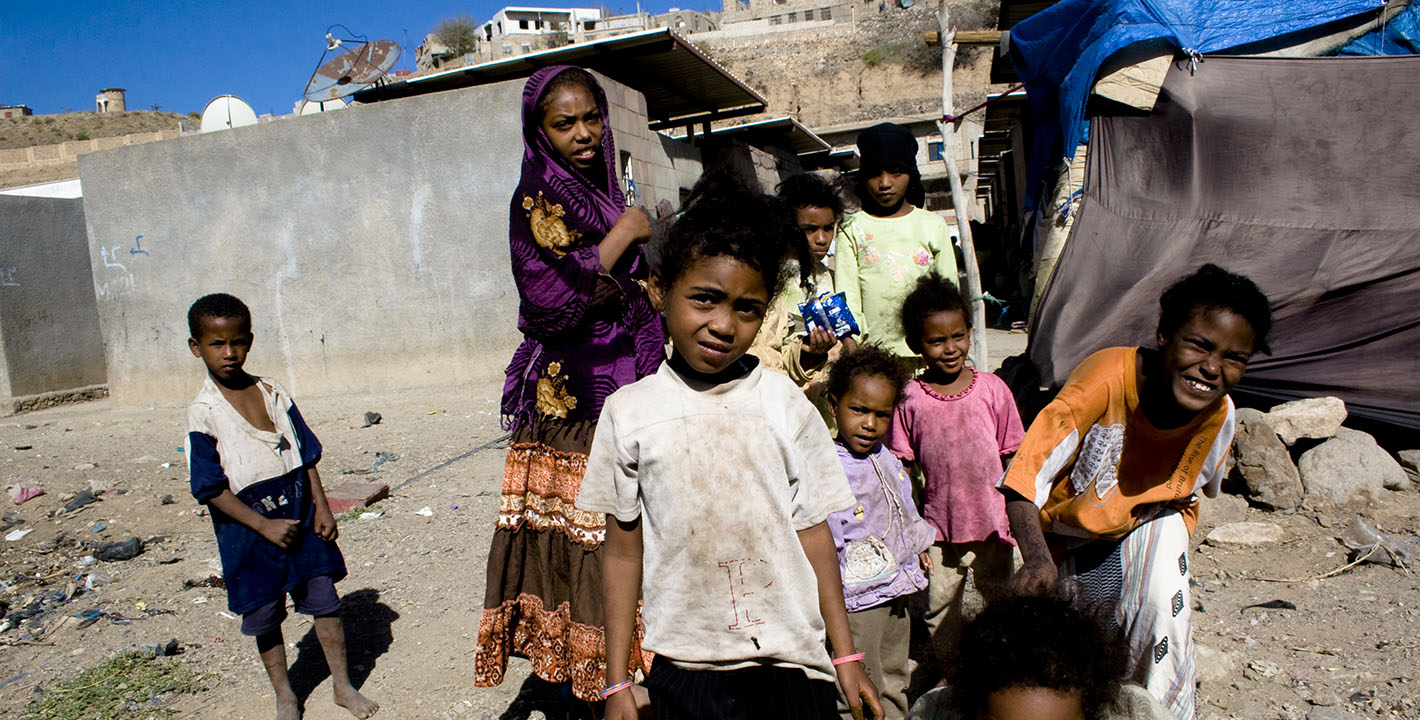
The community already suffers social discrimination, so addressing inequalities requires sustained interventions.
Musaed Aklan , Mohammad Al-Saidi

Just look at Iraq in 1991.

Marwan Muasher