

Commentary
In an interview, Ian Lustick and Eli Clifton discuss their new book on why a prominent ally has so much influence in America.
Michael Young
{
  "authors": [
    "Jennifer B. Murtazashvili",
    "Nataliia Shapoval"
  ],
  "type": "legacyinthemedia",
  "centerAffiliationAll": "dc",
  "centers": [
    "Carnegie Endowment for International Peace"
  ],
  "collections": [],
  "englishNewsletterAll": "ctw",
  "nonEnglishNewsletterAll": "",
  "primaryCenter": "Carnegie Endowment for International Peace",
  "programAffiliation": "russia",
  "programs": [
    "Russia and Eurasia"
  ],
  "projects": [],
  "regions": [
    "Eastern Europe",
    "Ukraine"
  ],
  "topics": [
    "Democracy",
    "Foreign Policy"
  ]
}
REQUIRED IMAGE
By already pouring vast amounts of aid into Ukraine, now the world’s biggest recipient of foreign assistance, with minimal supervision, the international community seems poised to repeat its earlier mistakes in Afghanistan.

Nonresident Scholar, Asia Program
Jennifer Brick Murtazashvili is a nonresident scholar in the Asia Program at the Carnegie Endowment for International Peace.
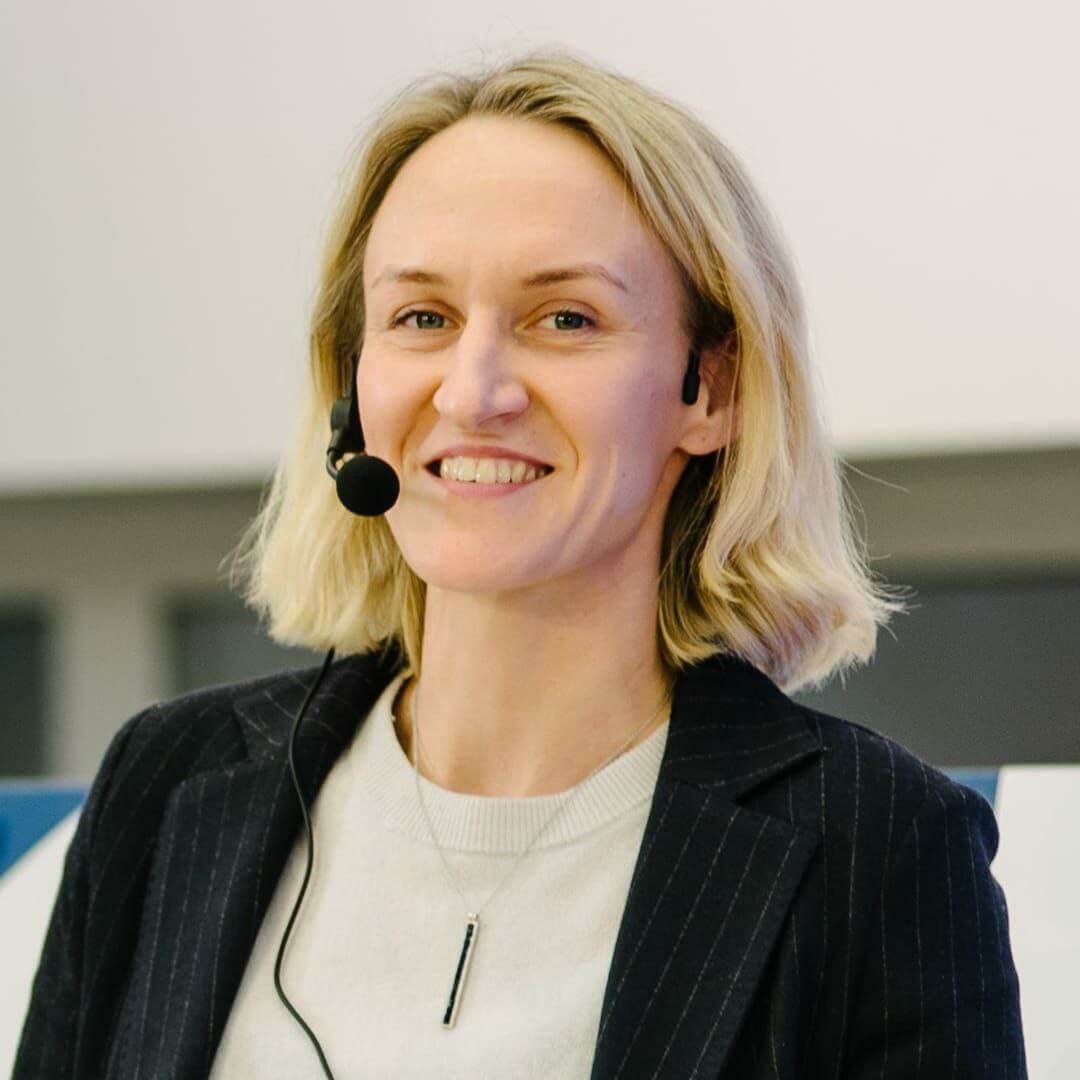
Nonresident Scholar, Russia and Eurasia Program
Nataliia Shapoval is President of the KSE Institute, one of the largest think tanks in Ukraine, and Vice President for Policy Research at the Kyiv School of Economics. Shapoval’s research focuses on public procurement reform, the healthcare and pharmaceutical sectors, economic statecraft, and regional development.
Carnegie does not take institutional positions on public policy issues; the views represented herein are those of the author(s) and do not necessarily reflect the views of Carnegie, its staff, or its trustees.

In an interview, Ian Lustick and Eli Clifton discuss their new book on why a prominent ally has so much influence in America.

Michael Young

By failing to address Palestinian representation, the current process is bound to lead to just another temporary arrangement.

Nathan J. Brown

Just look at Iraq in 1991.

Marwan Muasher

A coalition of states is seeking to avert a U.S. attack, and Israel is in the forefront of their mind.
Michael Young

Baku may allow radical nationalists to publicly discuss “reunification” with Azeri Iranians, but the president and key officials prefer not to comment publicly on the protests in Iran.

Bashir Kitachaev