

Commentary
Just look at Iraq in 1991.
Marwan Muasher
{
  "authors": [],
  "type": "scholarSpotlight",
  "centerAffiliationAll": "dc",
  "centers": [
    "Carnegie Endowment for International Peace"
  ],
  "collections": [],
  "englishNewsletterAll": "asia",
  "nonEnglishNewsletterAll": "",
  "primaryCenter": "Carnegie Endowment for International Peace",
  "programAffiliation": "AP",
  "programs": [
    "Asia"
  ],
  "projects": [],
  "regions": [
    "East Asia",
    "China"
  ],
  "topics": [
    "Economy",
    "Security",
    "Military"
  ]
}
Source: Getty
China has developed and employed maritime power in its foreign and security policy and now actively contests American command of strategic maritime space in the Western Pacific and, increasingly, across the globe.
Maritime power is a central foundation of China’s global rise, and it means far more than just building a world-class naval force. Beijing’s competitive advantages arise from its powerhouse maritime industries, such as shipping, ports, shipbuilding, and fishing. From my prior position at the U.S. Naval War College in Newport, Rhode Island, I could see these issues emerging from the vantage of the Navy. China has developed and employed maritime power in its foreign and security policy and now actively contests American command of strategic maritime space in the Western Pacific and, increasingly, across the globe.
I join Carnegie to build on this research agenda, expanding beyond the maritime commons to explore China’s influence on the wider, global commons. Subsea, space, and cyber domains, in particular, are frontier issues prioritized by China’s leadership—and vital arenas to observe China’s influence on global rules, norms, and standards. Having carefully documented such (largely regional) changes in the international law of the sea in my book, China’s Law of the Sea: The New Rules of Maritime Order (forthcoming from Yale), I now turn to new rule sets in order to examine whether and how China is revising international order in other areas of strategic competition. We will need to better understand how China defines its interests in these domains, which rules it advocates, and to what effect.
Ports will also remain a part of my research portfolio. However, I am driving “past the pier” into the data networks that map onto China’s global maritime trade and transport networks. The commercial ecosystems that evolve around PRC firms’ major overseas port projects often include Chinese-built road, air, rail, communications, and other physical infrastructure. They also entail all manner of PRC-origin services like trade logistics, finance, and IT. These latter “soft” digital services complement the “hard” capabilities of Chinese-built infrastructure and position China to capture significant commercial value in global supply chains—and also to exploit this proprietary access to pursue noncommercial foreign and security policy goals.
Naval strategy (China’s and that of its competitors) is also an area of enduring research interest. I will remain intent on the question of overseas basing for the People’s Liberation Army. Chinese military forces are following China’s economic interests abroad, but they do so without the benefit of a large network of military installations on foreign soil. Ports are one part of this puzzle, but global access and power projection will be an enduring challenge for China. I will continue to prioritize the Indian Ocean region, including the greater Middle East and East Africa, as the locus of China’s important out-of-area basing interests.
Carnegie’s Asia Program is the ideal home for studying China in the international security environment. I am honored and privileged to join a global institution of leading thinkers and practitioners in the art of geopolitics and charged up for the struggle to define China policy in the consequential years ahead.

Just look at Iraq in 1991.

Marwan Muasher

Baku may allow radical nationalists to publicly discuss “reunification” with Azeri Iranians, but the president and key officials prefer not to comment publicly on the protests in Iran.

Bashir Kitachaev

In an interview, Ishac Diwan looks at the merits and flaws in the draft legislation distributing losses from the financial collapse.

Michael Young
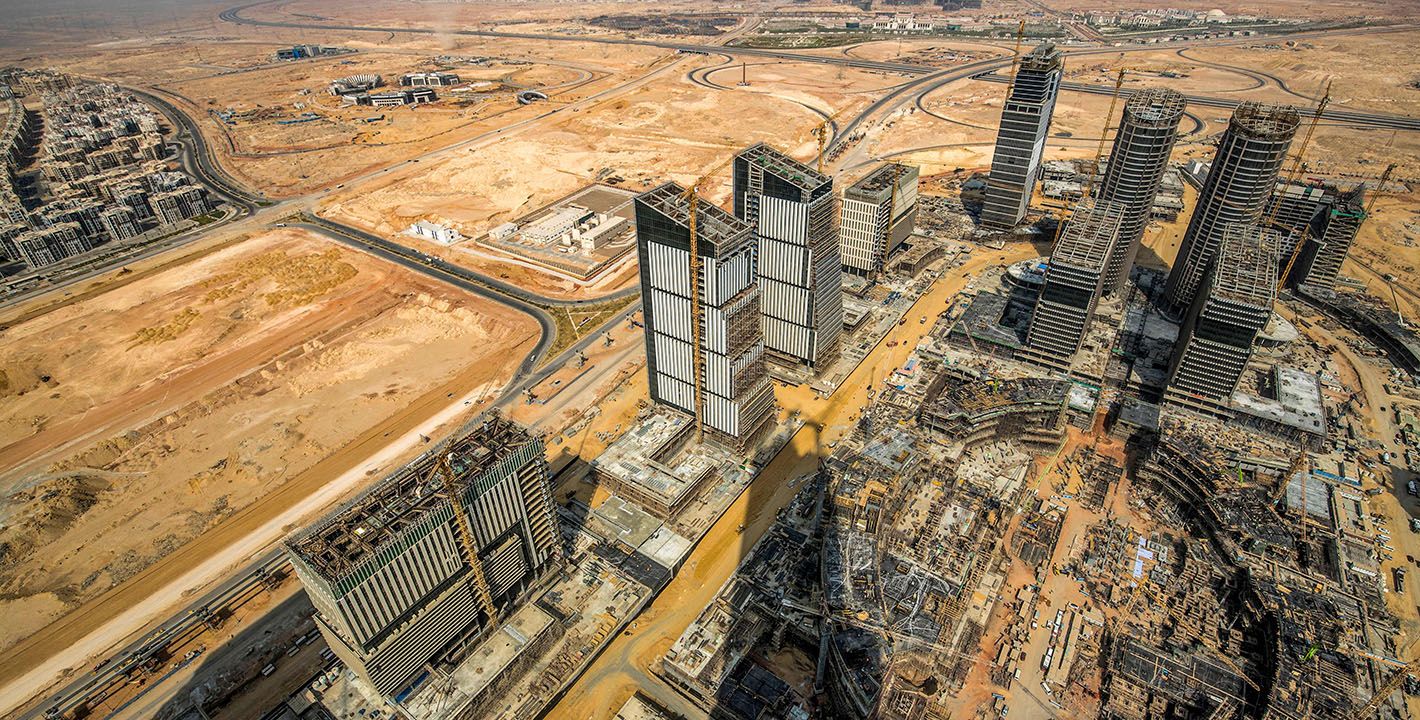
Mustaqbal Misr has expanded its portfolio with remarkable speed, but a lack of transparency remains.

Yezid Sayigh

Arab diaspora business communities in Egypt often mirror the same systemic challenges facing Egyptian businesses.

Nur Arafeh, Yezid Sayigh, Qaboul al-Absi, …