

Commentary
In an interview, Sergei Melkonian discusses Armenia’s and Azerbaijan’s careful balancing act among the United States, Israel, and Iran.
Armenak Tokmajyan

Eight prominent Russian experts contribute to this Russian-American analysis of the state of Russia's arms industry and national export controls, as well as the strategic implications of Russian arms sales to China and clients in the Middle East.
Source: Washington

The authors examine these and other issues posed by Russia's participation in the world arms trade. The book evolved from discussions of the Russian-American working group on conventional arms proliferation convened by the co-editors at the Carnegie Endowment's Moscow Center.
ABOUT THE AUTHOR
Dmitri Trenin is director of the Carnegie Moscow Center, where he specializes in foreign and security policy. He is the author of numerous books, including The End of Eurasia: Russia on the Border Between Geopolitics and Globalization and coeditor of Ambivalent Neighbors: The EU, NATO and the Price of Membership.
"Russia in the World Arms Trade is the first book-length attempt by Russian authors to tie together the strategic, political, and commercial aspects of Russia?s arms exports. It provides highly useful insights into the current condition of Russia?s armaments industry and the drive for arms sales. The book offers a well-informed and insightful view of the Russian debate on this formerly completely taboo subject."
— Sergei Rogov, Director of the Institute for USA and Canadian Studies, the Russian Academy of Sciences
Former Director, Carnegie Moscow Center
Trenin was director of the Carnegie Moscow Center from 2008 to early 2022.
Andrew J. Pierre
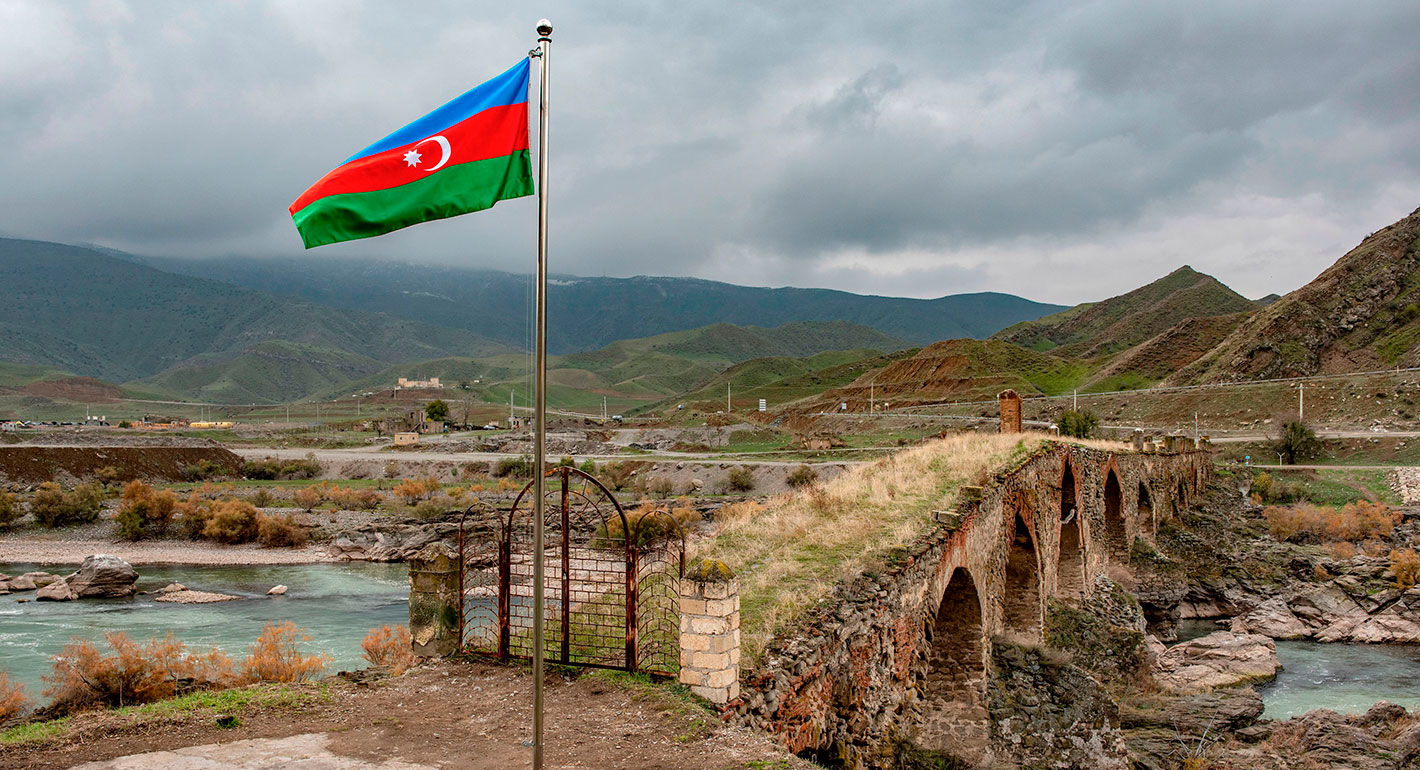
In an interview, Sergei Melkonian discusses Armenia’s and Azerbaijan’s careful balancing act among the United States, Israel, and Iran.

Armenak Tokmajyan
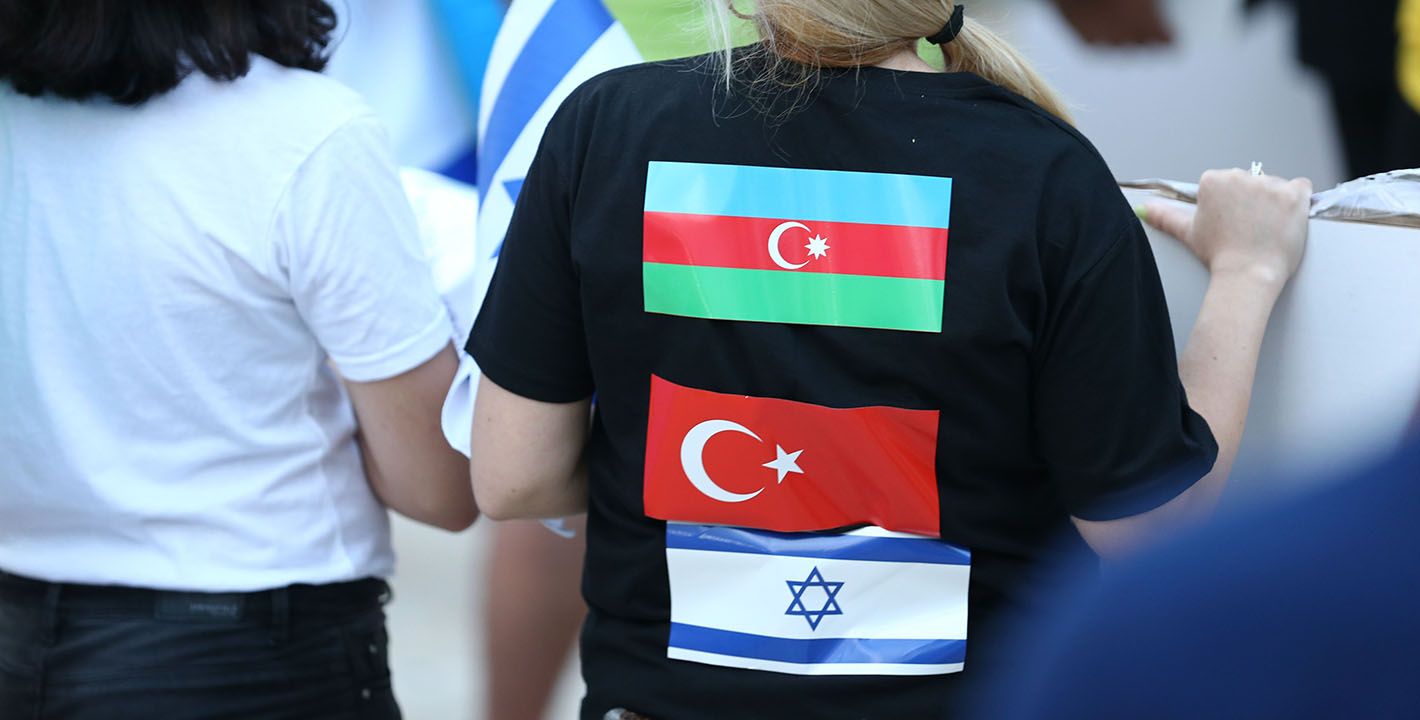
The country’s leadership is increasingly uneasy about multiple challenges from the Levant to the South Caucasus.
Armenak Tokmajyan
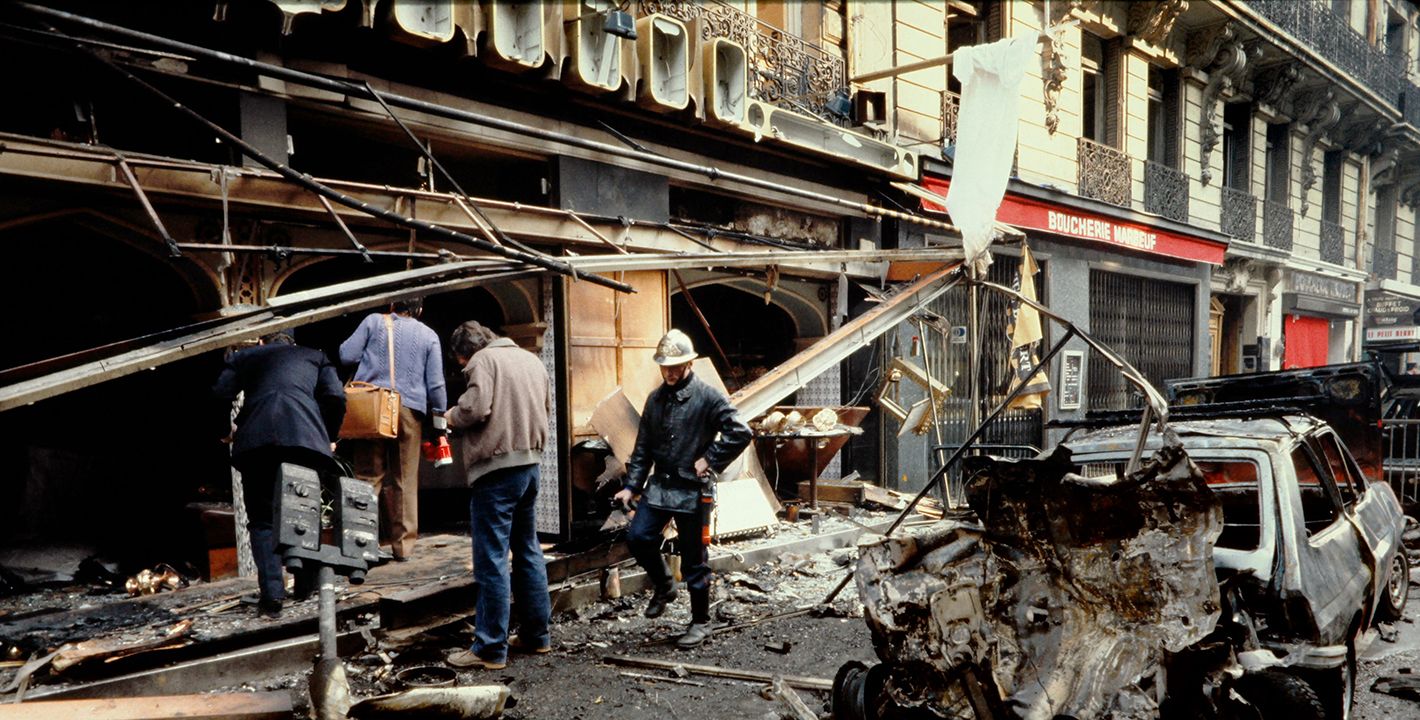
In an interview, Daniela Richterova speaks about her book on Czechoslovakia’s Cold War ties to Palestinian groups and others.

Michael Young

China has aligned its cooperation model with Saudi Arabia’s own priorities, most notably since the kingdom unveiled its Vision 2030. Although China announced the Belt and Road Initiative in 2013, the big push in relations happened only after the ascendance of King Salman to the throne in 2015 and Riyadh’s push for Beijing to meet Saudi needs.

Hesham Alghannam
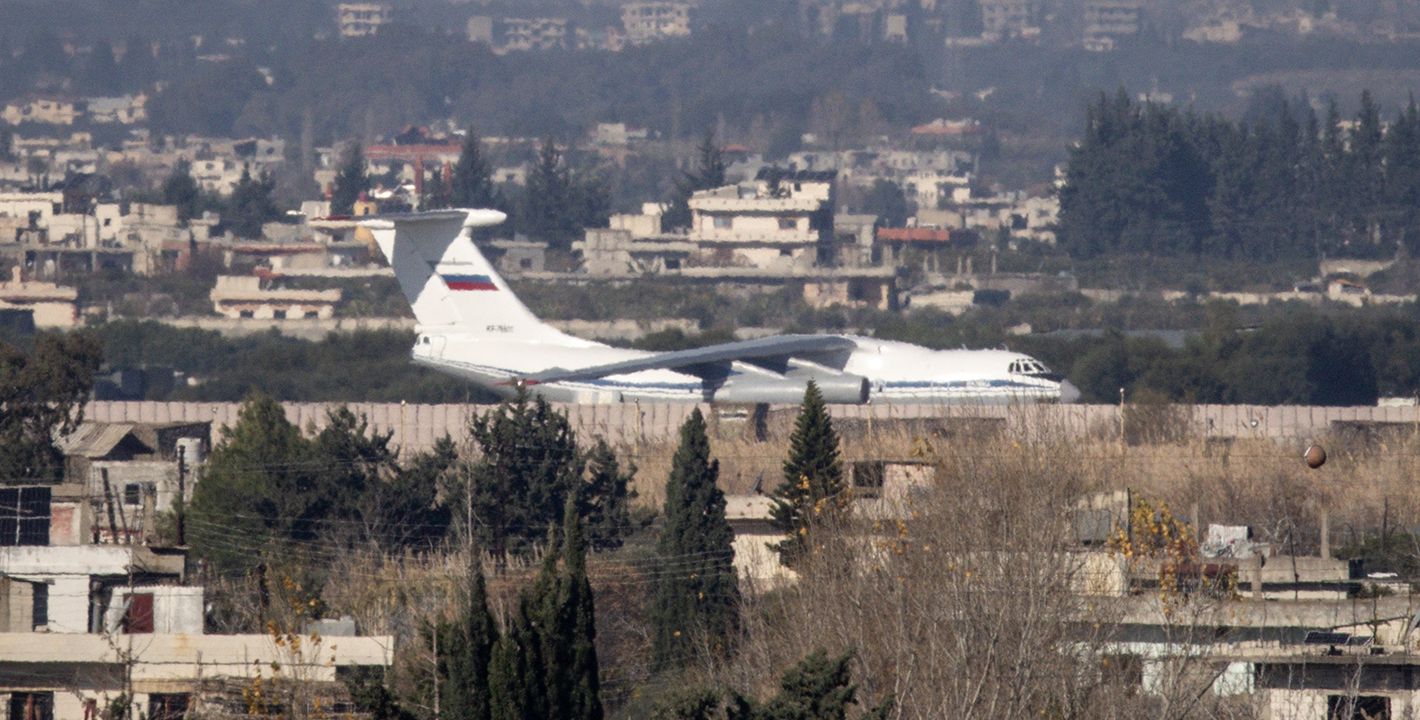
The downfall of the Assad regime represented a setback, but Russia’s primary focus remains Ukraine.
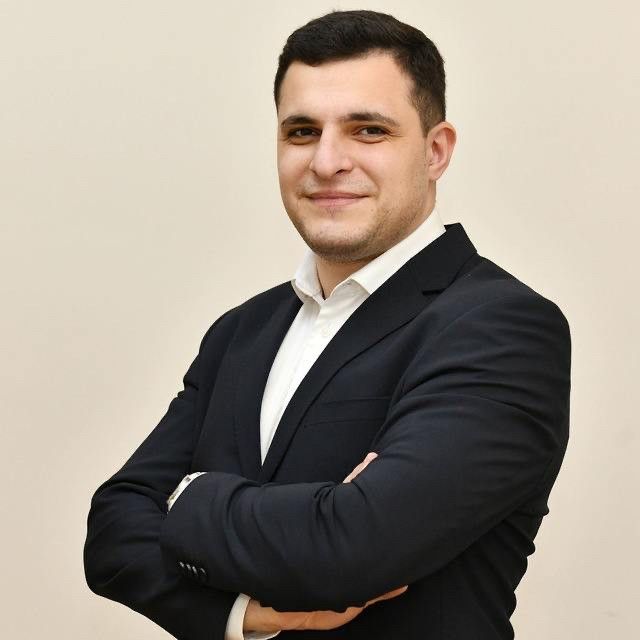
Sergei Melkonian