

Commentary
As the U.S. stumbles in its war with Iran, we are likely to see an acceleration of its disengagement from the region.
Michael Young

REQUIRED IMAGE
Source: Carnegie
Summary
This paper reports the results of a study of the potential to apply the principles and practice of threat reduction cooperation to countries beyond the territory of the former Soviet Union. The study focused on the application of concepts and tools used in the former Soviet Union to the region of South Asia. The research was designed to explore what might be done cooperatively to enhance the security of the nuclear assets of India and Pakistan, lest they fall into the hands of terrorists or leaders of rogue states who would use them to threaten other states or peoples.
Click on link above for full text of this Carnegie Paper.
About the Authors
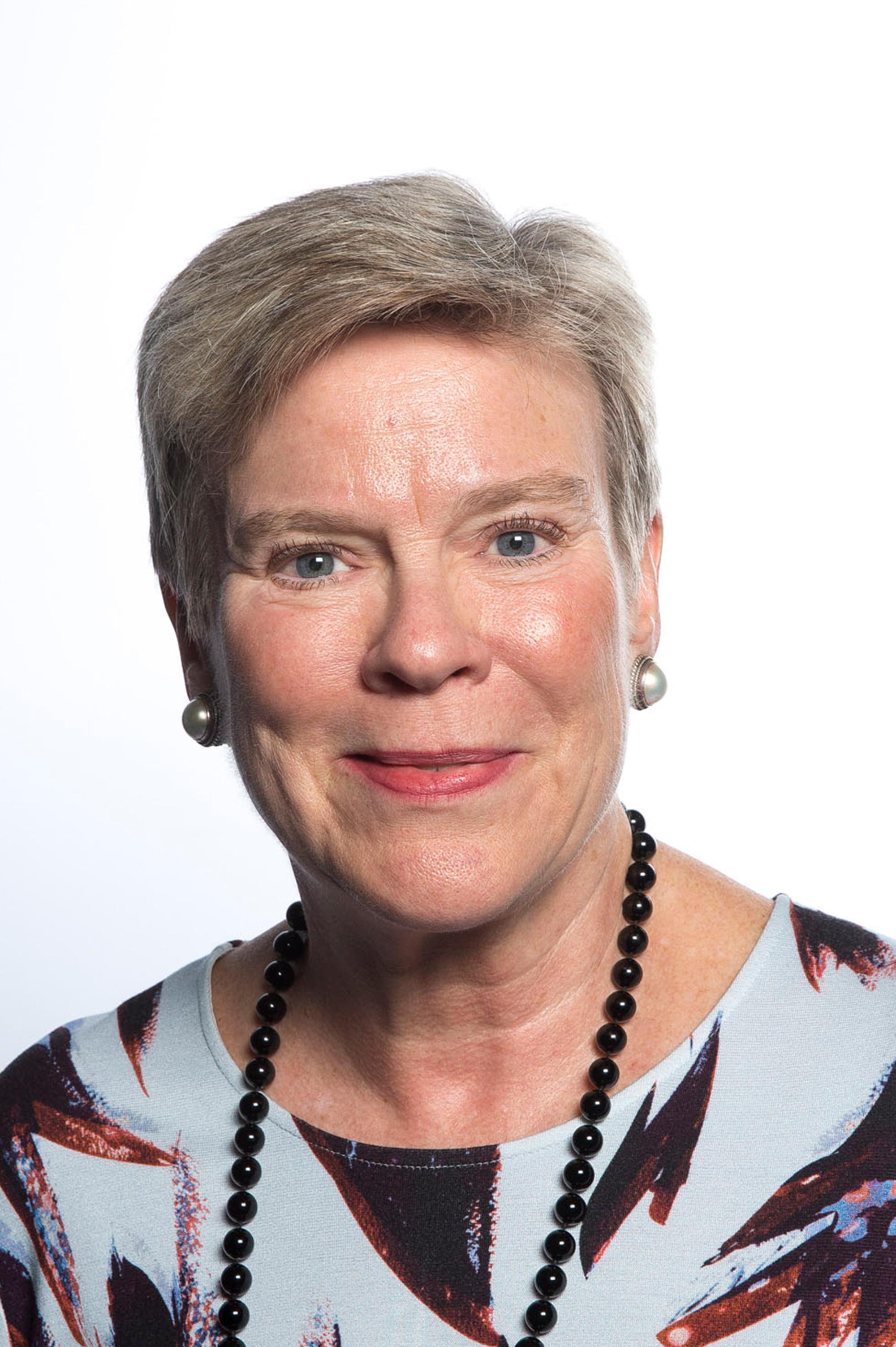
Rose Gottemoeller is senior associate in the Non-Proliferation Project and the Russian and Eurasian Program at the Carnegie Endowment. She previously served as deputy undersecretary for defense nuclear nonproliferation in the U.S. Department of Energy.
Rebecca Longsworth, formerly with Science Applications International Corporation, is president of Keen Management Solutions.
A limited number of print copies are also available.
Request a copy
Nonresident Senior Fellow, Nuclear Policy Program
Rose Gottemoeller is a nonresident senior fellow in Carnegie’s Nuclear Policy Program. She also serves as lecturer at Stanford University’s Freeman Spogli Institute for International Studies and is a research fellow at the Hoover Institution. Ambassador Gottemoeller served as the deputy secretary general of NATO from 2016 to 2019.
Rebecca Longsworth
Carnegie does not take institutional positions on public policy issues; the views represented herein are those of the author(s) and do not necessarily reflect the views of Carnegie, its staff, or its trustees.

As the U.S. stumbles in its war with Iran, we are likely to see an acceleration of its disengagement from the region.

Michael Young

The accord represents a pivotal moment in the region to avert a security vacuum in the Gulf.


Azeema Cheema, Mohanad Hage Ali
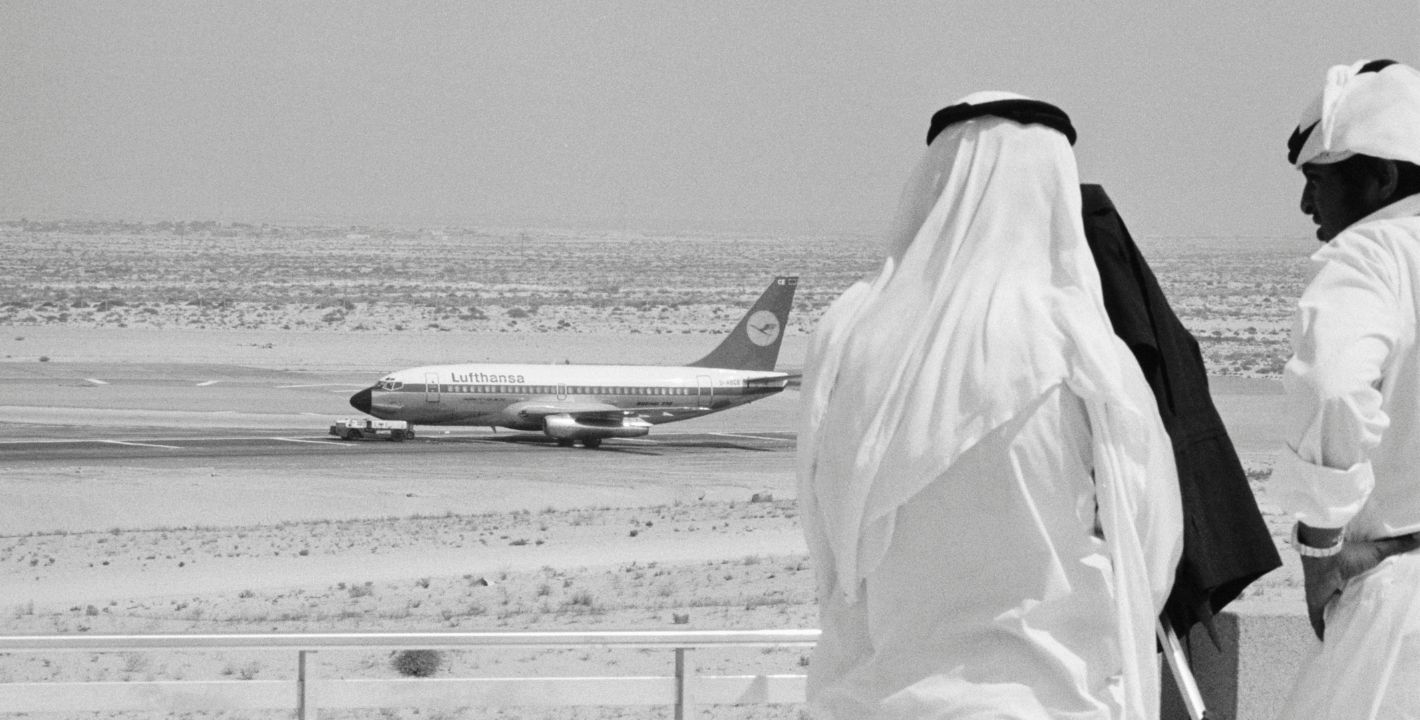
In an interview, Jason Burke discusses his sweeping account of the “revolutionists” who so shaped the 1970s and early 1980s.
Michael Young
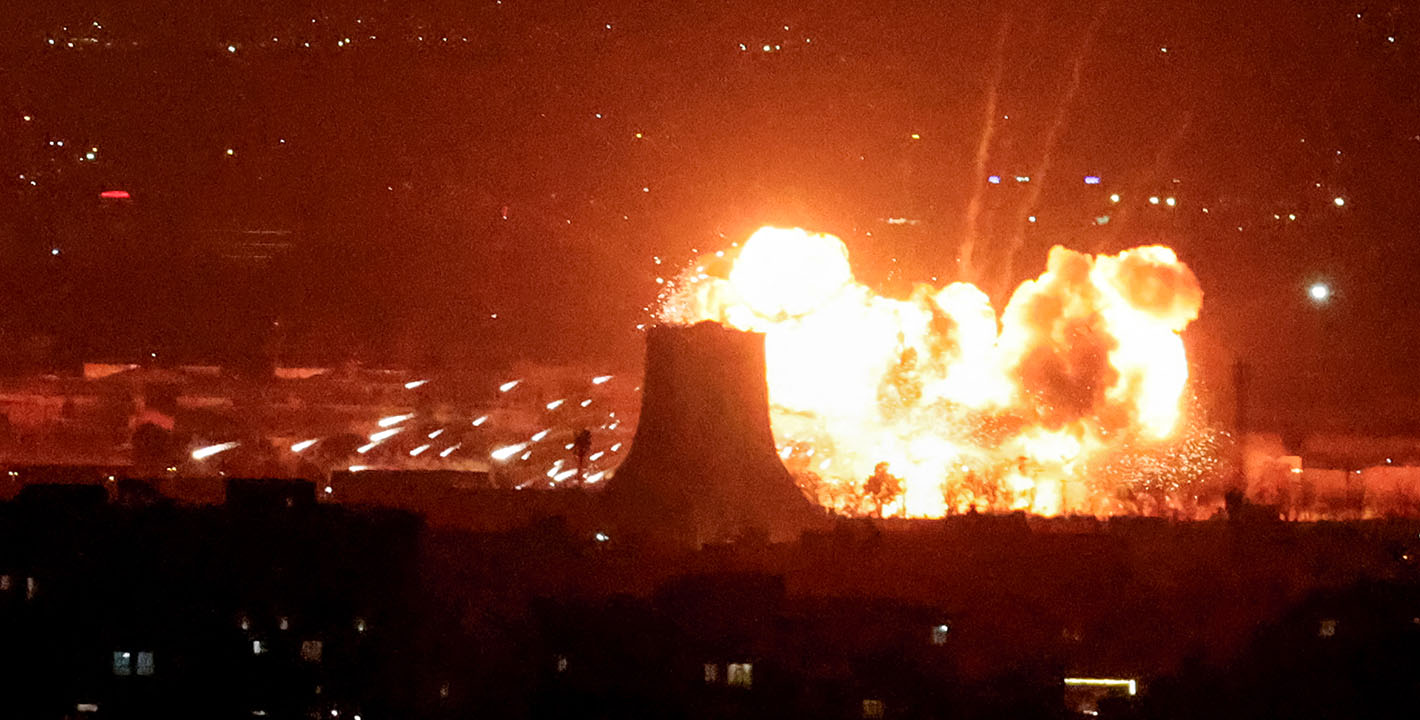
In an interview, Marc Lynch discusses his new book decrying the post-1990 U.S.-dominated order in the Middle East.
Michael Young

Just look at Iraq in 1991.

Marwan Muasher