

Other
- +1
Thomas Carothers, Marina Ottaway, Ms. Amy Hawthorne, …

REQUIRED IMAGE
Before the United States can determine whether its gradualist approach to democratic reform in the Middle East is the best remedy, we must first understand how Arab autocracies actually work. In particular, we must understand how the "liberalized autocracies" of the region endure despite frequent prediction of their imminent death.
No American administration has talked more about democracy in the Middle East than the Bush administration. The president and his advisors have spoken optimistically about a post-Saddam democracy in Iraq, one that might eventually become a veritable light to other Arab nations. This grand vision assumes that sooner or later, advocates of democracy throughout the Middle East will demand the same freedoms and rights that Iraqis are now claiming. Yet, however inspiring this vision appears, the actual reform plan that the administration has thus far set out is unlikely to produce radical changes in the Arab world. Regardless of how dramatic the change in Baghdad is, when it comes to our friends in Egypt, Jordan, Kuwait, Morocco, and Yemen, the administration's reform plan points to evolution rather than revolution.
In this working paper Daniel Brumberg argues that before the United States can determine whether this gradualist approach to democratic reform is the best remedy, we must first understand how Arab autocracies actually work, and, in particular, how the "liberalized autocracies" of the region endure despite frequent prediction of their imminent death.
This is the second in a series of working papers that will frame key issues relating to democracy promotion policies and programs in the Middle East. Also in the series: Promoting Democracy in the Middle East: The Problem of U.S. Credibility, Marina Ottaway.
About the Author
Daniel Brumberg is a visiting scholar in the Carnegie Endowment's Democracy and Rule of Law Project, on leave from his position as associate professor at Georgetown University. He is the author of Reinventing Khomeini: The Struggle for Reform in Iran (University of Chicago Press, 2001) and the coauthor of Democratic Mirage in the Middle East (Carnegie Endowment Policy Brief No. 20).
Available only online.

Former Senior Associate
Recent Work


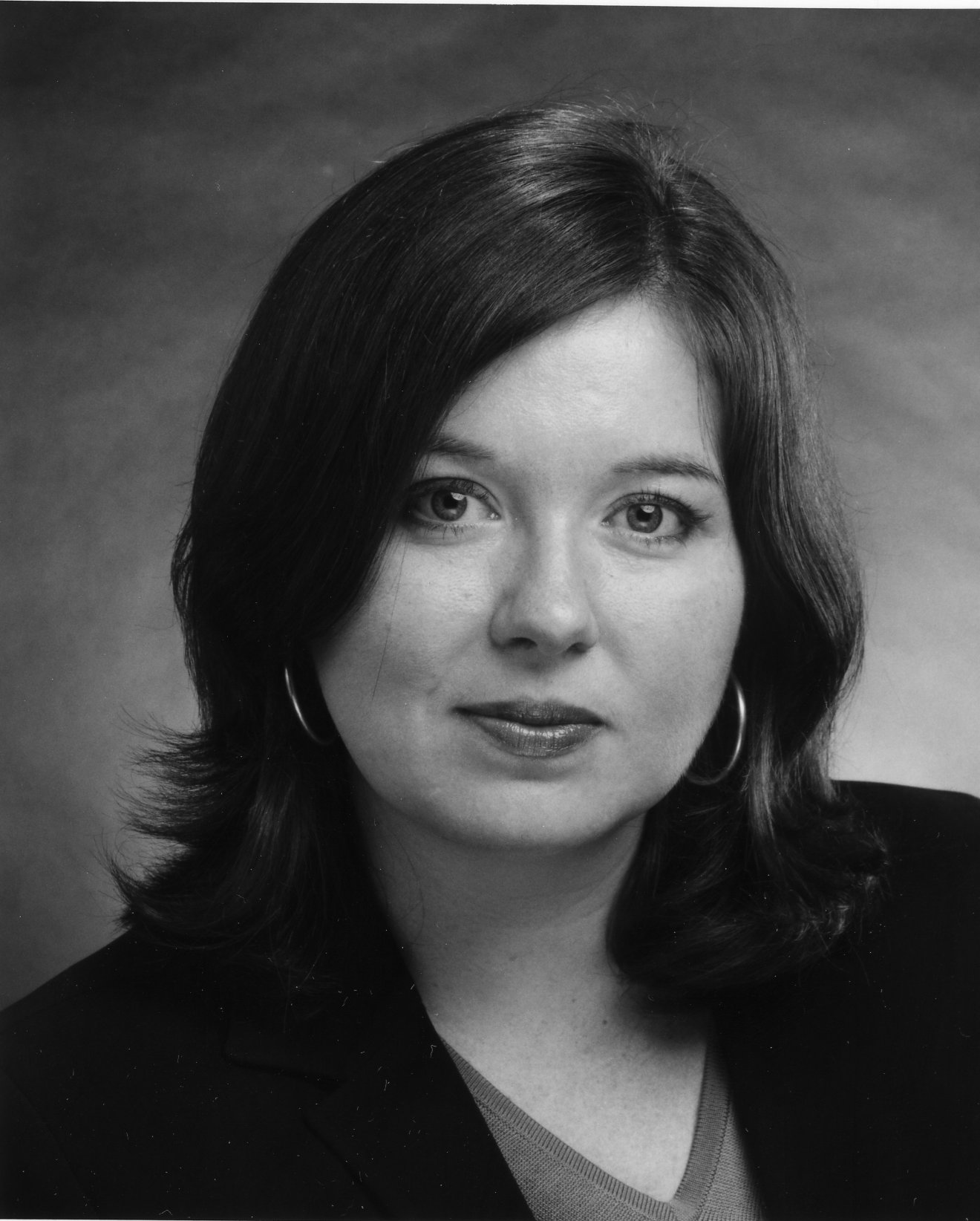
Thomas Carothers, Marina Ottaway, Ms. Amy Hawthorne, …
Mr. Daniel Brumberg
Carnegie does not take institutional positions on public policy issues; the views represented herein are those of the author(s) and do not necessarily reflect the views of Carnegie, its staff, or its trustees.

In Egypt’s dense cities, the disappearance of foliage has health implications and punishes daily commuters.

Angie Omar

Huawei pushed hard to enter the Egyptian data centers market, until the Americans made a better offer.
Angie Omar

The accord represents a pivotal moment in the region to avert a security vacuum in the Gulf.


Azeema Cheema, Mohanad Hage Ali

In an interview, Jason Burke discusses his sweeping account of the “revolutionists” who so shaped the 1970s and early 1980s.

Michael Young

By failing to address Palestinian representation, the current process is bound to lead to just another temporary arrangement.

Nathan J. Brown