

In The Media
Martha Brill Olcott
Source: Getty
Heydar Aliyev, president of oil-rich Azerbaijan, has finally accepted the frailties of age, withdrawing from the October 15 presidential election in favor of his son Ilham. This is the time for concerted international effort to ensure that those who bought the Azerbaijan's election don't own the country's presidency.
Source: Carnegie

The elder Aliyev had hoped to serve one more term, to officiate at the opening of the U.S.-supported $3 billion oil pipeline which will take Azerbaijan's oil to the Mediterranean cost of Turkey, as well as to see the revenues pour in from projects being developed by a BP led international consortium.
His country's oil and gas wealth made the elder Aliyev a welcome visitor in London and in Washington, as did his strong support for the U.S.-led war on terror. This represented quite a political conversion for Aliyev, who began his career as a KGB defender of the besieged Soviet Embassy during the 1956 Hungarian Uprising. Moving from the KGB to head Azerbaijan's communist party in 1969, Aliyev was a master of survival, enduring a period of virtual house-arrest under Gorbachev, and reinventing himself as a "democrat" as the Soviet Union crumbled.
Even continuing strong pressure from the U.S. and OSCE over the next few weeks is unlikely to result in an October 15 election that will be considered "free and fair." Those close to Aliyev are not going to feel comfortable leaving their fate to "the will of the people." By "delivering" the election to Ilham, they are also ensuring his continued dependence on them.
This is the time for concerted international effort to ensure that those who bought the Azerbaijan's election don't own the country's presidency. The transfer of power to a new generation in Azerbaijan should be used as an occasion to introduce change in that country's political process, and to insure that the country's oil and gas riches are invested in ways that the serve the long-term needs of the country's growing population.
One of the tragedies of controlled elections is that no one ever really gets to know what the popular will is. This allows all sides to claim that they would have been victorious, and deprives the system of political legitimacy, damaging winner and loser alike.
One of Ilham's main opponents, Isa Gambar, parliamentary speaker during the early national front government, has warned that violence could follow a rigged election. That would be tragic for the whole region, adding new tragedy to the lives of the Azerbaijanis, risking a resumption of conflict with Armenia over the status of Nagorno Karabakh, and denying much needed transit income to neighboring Georgia if there are delays in construction of Azerbaijan's new pipeline system.
International leverage in Azerbaijan will increase after the election, not decrease, particularly if Ilham is smart enough to realize that in order for his presidency to succeed, he must distance himself from, rather than reward, the men who are buying him this election
The international community must be tough on both government and opposition. In the post-communist world both have too frequently manipulated the intent of democratic ideals. Those in office too often feel that an action that is constitutional need not be democratic, while those barred from office often lack the support to come to power if there were freely conducted elections.
The United States, Britain, and all of Azerbaijan's other friends should put Ilham and Azerbaijan's democratic opposition on notice: Efforts to seize or sustain power through non-democratic means are unacceptable. There are many levers available to press this point home: use the Organization for Security and Cooperation in Europe (OSCE); get the business community to help with track two diplomacy to pressure the government; cut off U.S. assistance and deny U.S. entry visas to those associated with parties or non-governmental organizations that advocate or are apologists for the use of violence to achieve political ends.
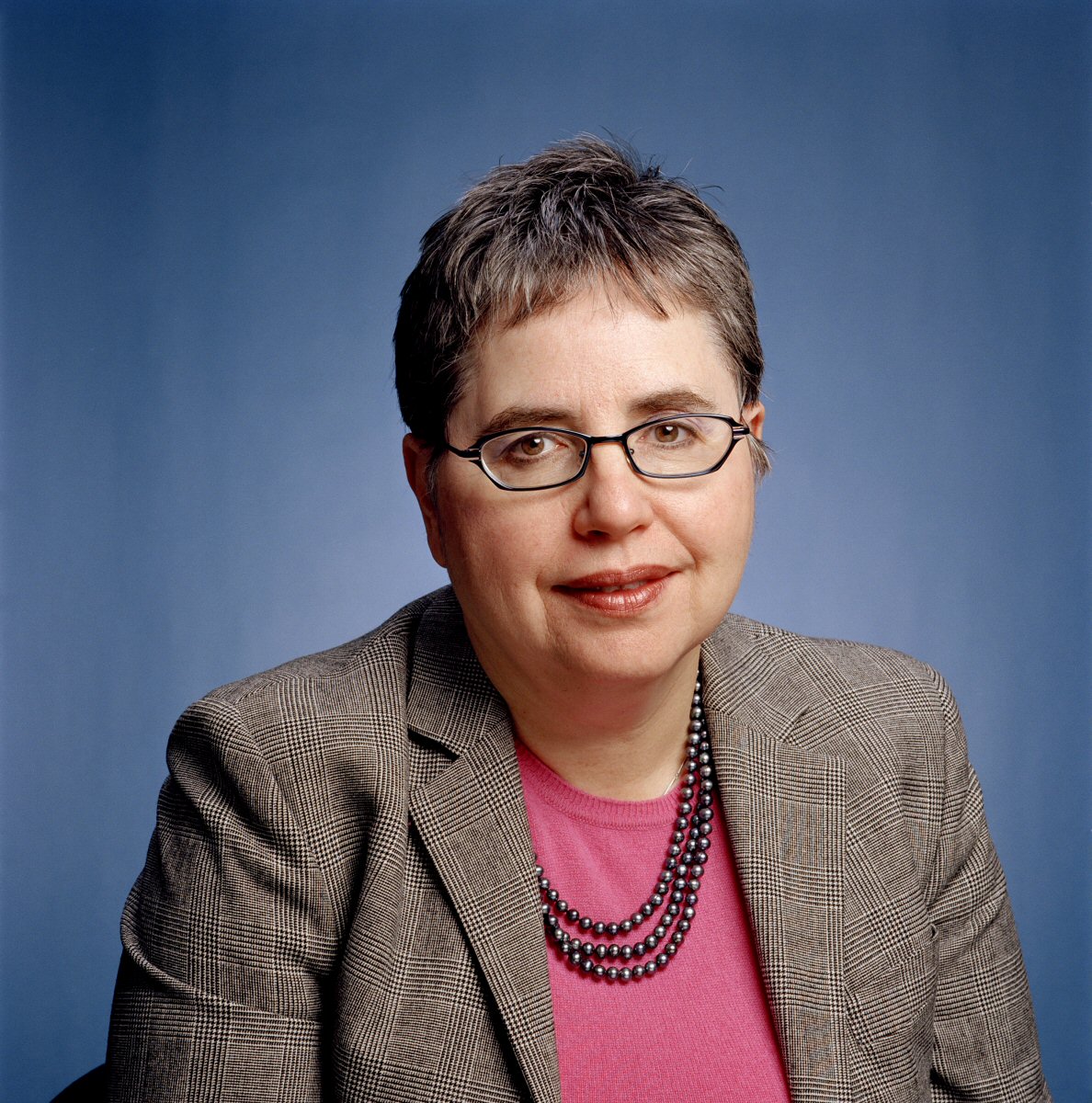
Former Senior Associate, Russia and Eurasia Program and, Co-director, al-Farabi Carnegie Program on Central Asia
Olcott is professor emerita at Colgate University, having taught political science there from 1974 to 2002. Prior to her work at the endowment, Olcott served as a special consultant to former secretary of state Lawrence Eagleburger.
Recent Work
Martha Brill Olcott
Martha Brill Olcott
Carnegie does not take institutional positions on public policy issues; the views represented herein are those of the author(s) and do not necessarily reflect the views of Carnegie, its staff, or its trustees.
In an interview, Sergei Melkonian discusses Armenia’s and Azerbaijan’s careful balancing act among the United States, Israel, and Iran.

Armenak Tokmajyan

Baku may allow radical nationalists to publicly discuss “reunification” with Azeri Iranians, but the president and key officials prefer not to comment publicly on the protests in Iran.

Bashir Kitachaev
The country’s leadership is increasingly uneasy about multiple challenges from the Levant to the South Caucasus.
Armenak Tokmajyan
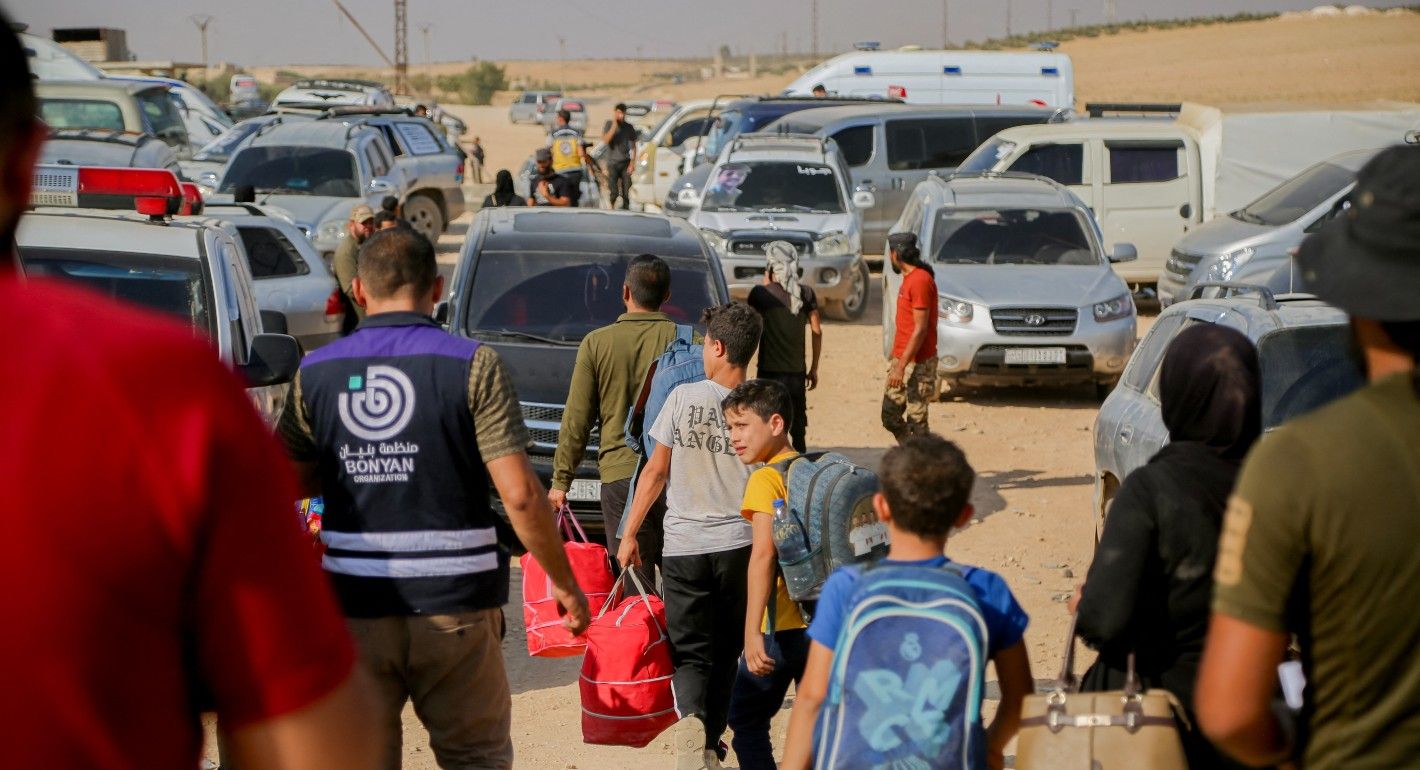
A humanitarian crisis in Lebanon deepens, and Syrian refugees face a perilous choice: remain in a war-torn environment or return to Syria where they risk encountering significant dangers and discrimination. There are significant challenges and risks to their search for safety in Syria.
Haid Haid
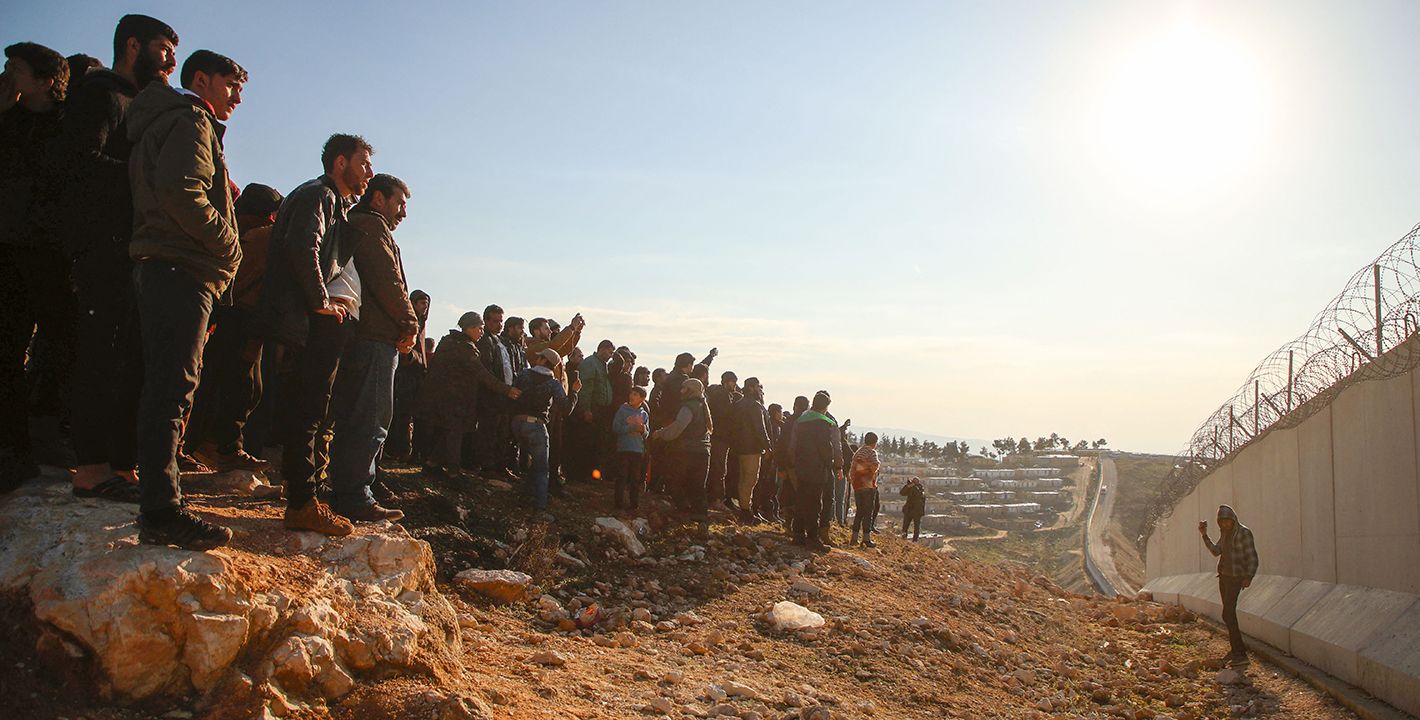
In Syria’s border regions, changes in demographics, economics, and security mean that an inter-Syrian peace process will require consensus among main regional powers that Syria must remain united, that no one side can be victorious, and that perennial instability threatens the region.
Kheder Khaddour, Armenak Tokmajyan