

Report
Mr. Husain Haqqani, Ashley J. Tellis
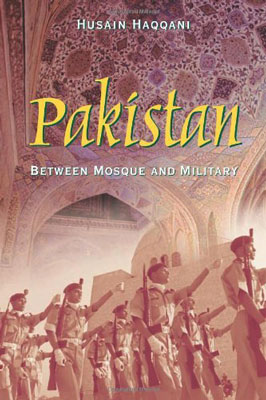
This book analyzes the origins of the relationships between Islamist groups and Pakistan’s military, and explores Pakistan’s quest for identity and security.
Source: Washington

This book analyzes the origins of the relationships between Islamist groups and Pakistan’s military, and explores Pakistan’s quest for identity and security. Tracing how the military has sought U.S. support by making itself useful for concerns-of-the-moment—while continuing to strengthen the mosque-military alliance within Pakistan—the book offers an alternative view of political developments in Pakistan since independence in 1947.
About the Author
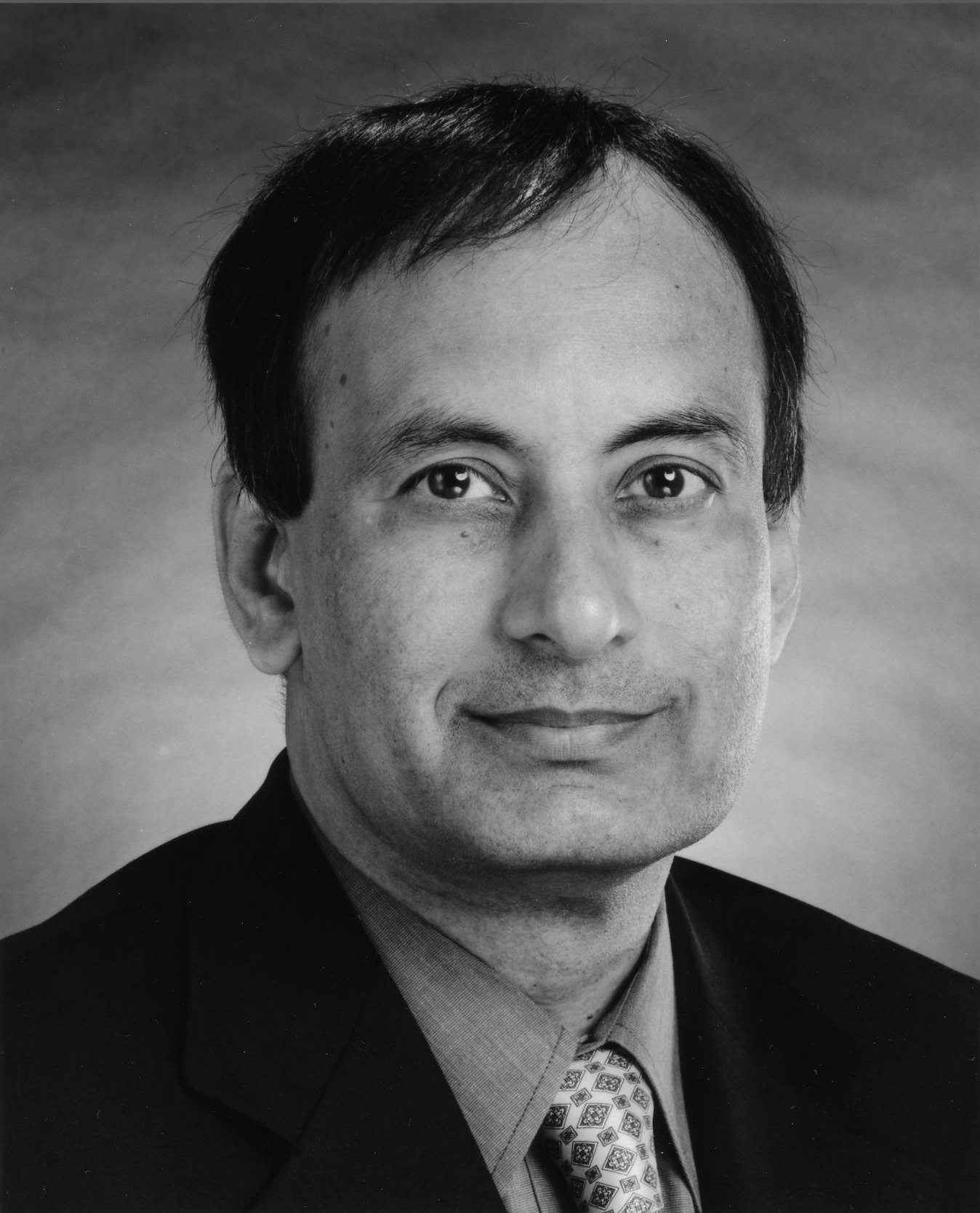
Husain Haqqani is a former visiting scholar at the Carnegie Endowment. He is also a leading journalist and former diplomat, who served as a former adviser to three Pakistani prime ministers. He is a syndicated columnist for Indian Express, Gulf News, and The Nation (Pakistan).
"[Haqqani's] analysis will reward anyone who seeks to understand one of the most perplexing foreign policy challenges facing the U.S. today."
—Alyssa Ayres, The Wall Street Journal
"An old joke told by Pakistanis holds that three A's count in their country: Allah, army, and America. In his insightful history of his homeland, Husain Haqqani shows it is no joke."
—Kenneth Cooper, The Boston Globe
"In this cogent, well-informed and extraordinarily informative book, Husain Haqqani describes in detail the unholy alliance between Islamists and military officers that has shaped Pakistan’s past and may well determine its future. An important and disturbing tale, deftly told."
—Andrew J. Bacevich, author of The New American Militarism: How Americans Are Seduced by War
"Husain Haqqani has seen Pakistani politics close up. But his book is much more than a memoir: Haqqani has produced a provocative and controversial history revealing the depth of the links between the army and the Islamic radicals. Required reading."
—Owen Bennett-Jones, BBC, Author of Pakistan: The Eye of the Storm
"We are in Hussain Haqqani's debt for providing the authoritative account of the linkages between Pakistan's powerful Islamists and it's professional army. He conclusively demonstrates that these ties are long-standing, complex, and very troubling. This brilliantly researched and written book should be required reading for anyone who wishes to understand this increasingly important state."
—Stephen P. Cohen, Brookings Institution, Author of The Idea of Pakistan and The
—Tariq Fatemi, Dawn
—Alex Alexiev, Commentary
Former Visiting Scholar
Recent Work
Mr. Husain Haqqani, Ashley J. Tellis
Mr. Husain Haqqani
Carnegie does not take institutional positions on public policy issues; the views represented herein are those of the author(s) and do not necessarily reflect the views of Carnegie, its staff, or its trustees.

In an interview, Ian Lustick and Eli Clifton discuss their new book on why a prominent ally has so much influence in America.

Michael Young

By failing to address Palestinian representation, the current process is bound to lead to just another temporary arrangement.

Nathan J. Brown

The armed forces champion a form of capitalism that is generating revenue, but its reliance on rent faces diminishing returns, leaving the country with massive sunk costs and deferred returns, deepening dependency on external borrowing.

Yezid Sayigh

Just look at Iraq in 1991.

Marwan Muasher

A coalition of states is seeking to avert a U.S. attack, and Israel is in the forefront of their mind.
Michael Young