• Research
  • Diwan
  • About
  • Experts
Carnegie Middle East logoCarnegie lettermark logo
LebanonIran
REQUIRED IMAGE
Report

Constitution Drafting Update

Link Copied
By Nathan J. Brown
Published on Aug 8, 2005

Additional Links

Full Text (PDF)

Having passed up the opportunity of requesting a six-month extension, Iraq’s National Assembly is required to pass a draft constitution within a week or face dissolution and new elections.  Iraq’s current leaders, as well as their American backers, have decided to make constitution writing the centerpiece of their efforts at political reconstruction, making the stakes particularly high.  In this analysis I will show:

  • How much of the international analysis and lobbying distracts from the central issues and provided overly legalistic understandings of how the constitution would operate;
     
  • Why the central purpose of the constitutional process—striking a bargain among Iraq’s various groups—is so difficult; and
     
  • Why the drafters as well as external analysts should devote far more attention to practical issues of enforcement rather than general ideological language.

Click on the link to above for the full text of this Carnegie report.

About the Author

Nathan J. Brown

Nonresident Senior Fellow, Middle East Program

Nathan J. Brown, a professor of political science and international affairs at George Washington University, is a distinguished scholar and author of nine books on Arab politics and governance, as well as editor of five books.

    Recent Work

  • Article
    For Younger Palestinians, Crisis Has Become a Way of Life

      Nathan J. Brown

  • Commentary
    The Perils of the Palestinian Authority’s New Party Law

      Nathan J. Brown

Nathan J. Brown
Nonresident Senior Fellow, Middle East Program
Nathan J. Brown
Middle EastIraqPolitical ReformDemocracy

Carnegie does not take institutional positions on public policy issues; the views represented herein are those of the author(s) and do not necessarily reflect the views of Carnegie, its staff, or its trustees.
More Work from Malcolm H. Kerr Carnegie Middle East Center

  • people watching smoke rising at sunrise from rooftops
    Commentary
    Emissary
    Bombing Campaigns Do Not Bring About Democracy. Nor Does Regime Change Without a Plan.

    Just look at Iraq in 1991.

      Marwan Muasher
  • Commentary
    Diwan
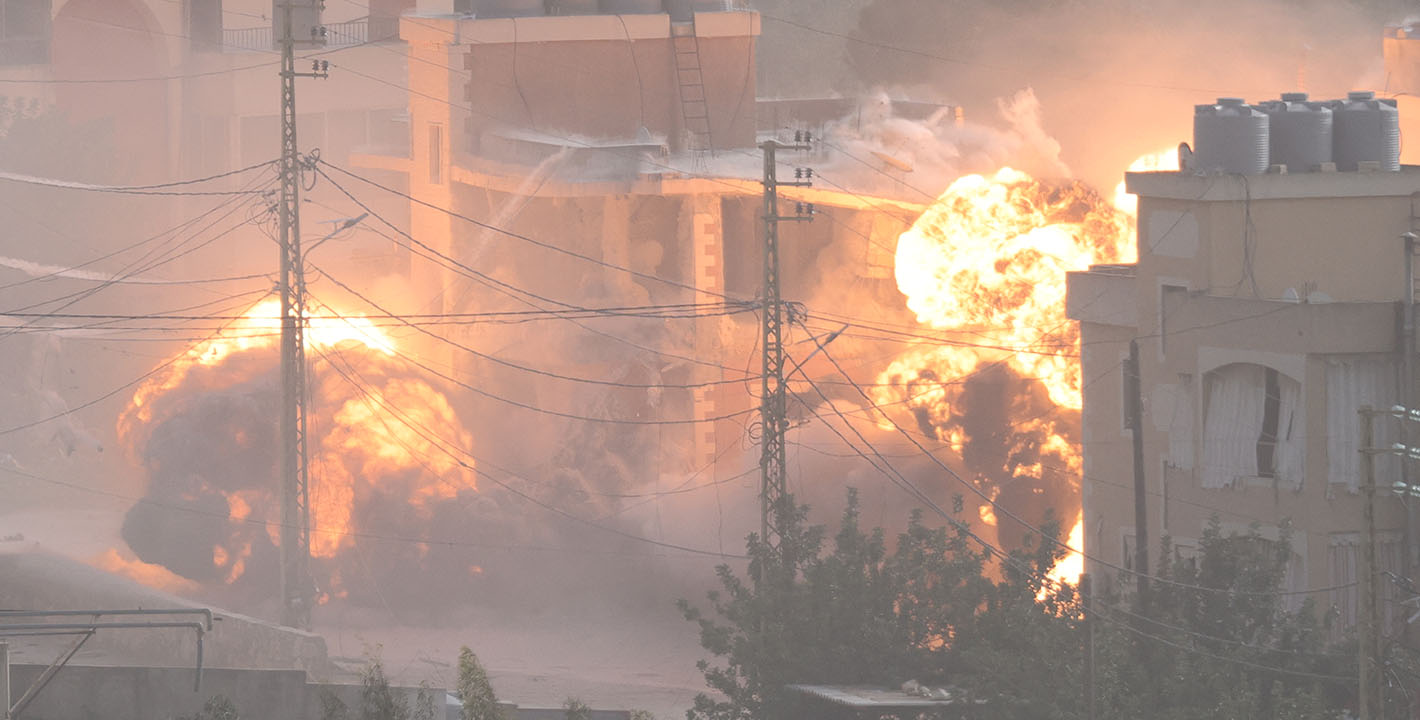
    Axis of Resistance or Suicide?

    As Iran defends its interests in the region and its regime’s survival, it may push Hezbollah into the abyss.

      Michael Young
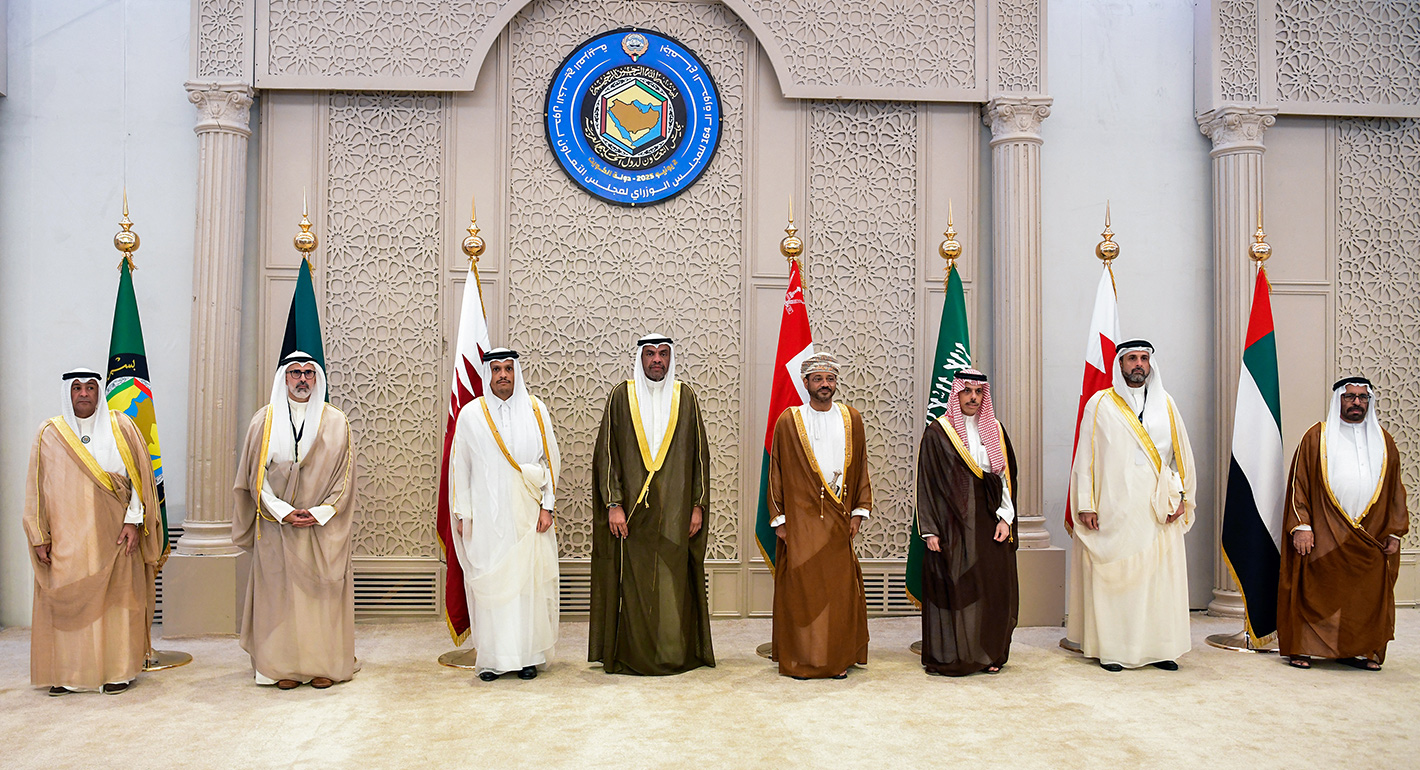
  • GCC foreign minister meeting in Kuwait City on June 2, 2025
    Article
    Can the Gulf Cooperation Council Transcend Its Divisions?

    Without structural reform, the organization, which is racked by internal rivalries, risks sliding into irrelevance.

      Hesham Alghannam

  • Commentary
    The Middle East’s Promising Gen Z

    Fifteen years after the Arab uprisings, a new generation is mobilizing behind an inclusive growth model, and has the technical savvy to lead an economic transformation that works for all.

      Jihad Azour

  • Commentary
    Carnegie Politika
    Baku Proceeds With Caution as Ethnic Azeris Join Protests in Neighboring Iran

    Baku may allow radical nationalists to publicly discuss “reunification” with Azeri Iranians, but the president and key officials prefer not to comment publicly on the protests in Iran.

      Bashir Kitachaev

Get more news and analysis from
Malcolm H. Kerr Carnegie Middle East Center
Carnegie Middle East logo, white
  • Research
  • Diwan
  • About
  • Experts
  • Projects
  • Events
  • Contact
  • Careers
  • Privacy
  • For Media
Get more news and analysis from
Malcolm H. Kerr Carnegie Middle East Center
© 2026 Carnegie Endowment for International Peace. All rights reserved.