

Commentary
Nathan J. Brown

REQUIRED IMAGE
Iraq’s new draft constitution, originally due on August 15, is finally scheduled to go to the printing presses so that it can be distributed throughout the country. The final text addresses some of the difficult issues—such as federalism, women's rights, religion, and the country's identity—while sidestepping or even complicating many others. The country's voters will head to the polls on October 15 to decide whether to accept or reject the controversial document.
Nathan J. Brown, an authority on Arab constitutions, has been closely following the drafting process and offers a detailed, article-by-article commentary on the proposed constitution. Brown explores how the document would change Iraqi politics and what loopholes and gaps still remain. He identifies the many questions the constitution simply postpones, how it is likely to lead to a fairly loose confederation rather than a tighter federal structure, and how its rights provisions are far less revolutionary than has been claimed.

Nonresident Senior Fellow, Middle East Program
Nathan J. Brown, a professor of political science and international affairs at George Washington University, is a distinguished scholar and author of nine books on Arab politics and governance, as well as editor of five books.
Recent Work
Nathan J. Brown
Nathan J. Brown
Carnegie does not take institutional positions on public policy issues; the views represented herein are those of the author(s) and do not necessarily reflect the views of Carnegie, its staff, or its trustees.

Huawei pushed hard to enter the Egyptian data centers market, until the Americans made a better offer.

Angie Omar

The accord represents a pivotal moment in the region to avert a security vacuum in the Gulf.


Azeema Cheema, Mohanad Hage Ali

In an interview, Jason Burke discusses his sweeping account of the “revolutionists” who so shaped the 1970s and early 1980s.

Michael Young
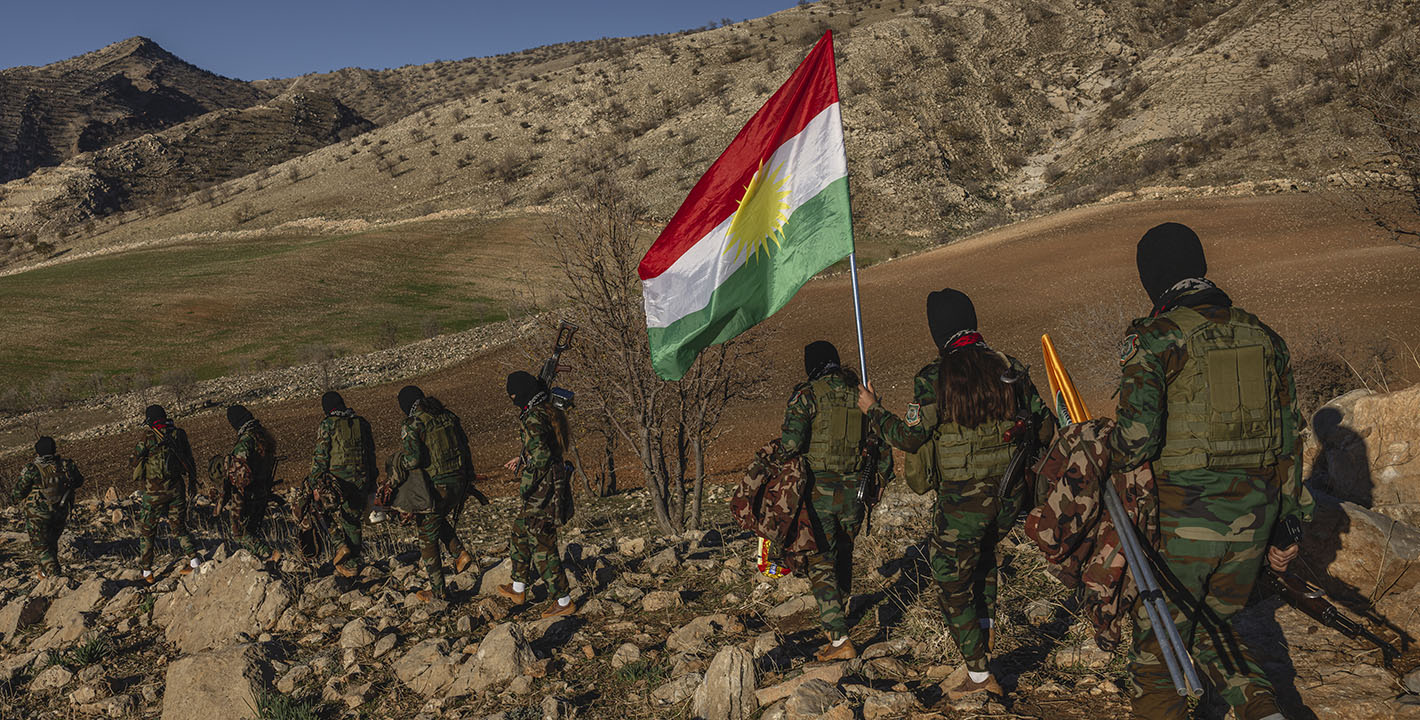
Following its deal with the United States, Iran may act against Iraq-based dissidents.
Wladimir van Wilgenburg

There is a disturbing structural parallel between the old global energy economy and the new green transition.
Angie Omar