

Commentary
Rachid Tlemçani

REQUIRED IMAGE
Despite Algeria’s recent economic growth and domestic stability, the government’s refusal to address the legacy of its violent civil war threatens its long-term stability. President Abdelaziz Bouteflika’s decision to push forward his “Charter for Peace and National Reconciliation” without public input or dialogue has undermined the prospect for true reconciliation.
Source: Carnegie Endowment
Despite Algeria’s recent economic growth and domestic stability, the government’s refusal to address the legacy of its violent civil war threatens its long-term stability, argues a new paper from the Carnegie Endowment. President Abdelaziz Bouteflika’s decision to push forward his “Charter for Peace and National Reconciliation” without public input or dialogue has undermined the prospect for true reconciliation.
In Algeria Under Bouteflika: Civil Strife and National Reconciliation, Algeria expert Rachid Tlemçani examines the implementation of Bouteflika’s efforts to restore stability to the country and move beyond the legacy of civil war.
Key points:
“Algerian officials, led by President Bouteflika, decided to ignore the experience of other countries, to grant blanket amnesty and to pacify victims’ families with money rather than information, in hopes of turning the page on a dark period of Algerian history as soon as possible. That haste merely postpones a crisis that is likely to break out in the future as unreconciled grievances from the decade of civil war become enmeshed in growing socioeconomic and identity tensions in the country. Then the prospects for reconciliation and the reinforcement of human rights in Algeria will become even dimmer,” concludes Tlemçani.
Click on icon above for the full text of this Carnegie Paper.
A limited number of print copies of this Carnegie Paper are available.
Request a copy
About the Author
Rachid Tlemçani was a visiting scholar at the Carnegie Middle East Center and a visiting scholar in the Carnegie Endowment’s headquarters in Washington, D.C., the Center for Middle Eastern Studies at Harvard University, and the Center for Contemporary Arab Studies at Georgetown University. He has published numerous articles and several books on Algerian politics, including Elections et Elites en Algerie (2003), Etat, Bazar et Globalisation: L’aventure de L’Infitah en Algerie (1999) and State and Revolution in Algeria (1986).
Former Visiting Scholar
Recent Work
Rachid Tlemçani
Carnegie does not take institutional positions on public policy issues; the views represented herein are those of the author(s) and do not necessarily reflect the views of Carnegie, its staff, or its trustees.

The armed forces champion a form of capitalism that is generating revenue, but its reliance on rent faces diminishing returns, leaving the country with massive sunk costs and deferred returns, deepening dependency on external borrowing.

Yezid Sayigh

Morocco and Algeria, each in its own way, are having to navigate the global economic fallout of the U.S.-Israeli military campaign against Iran.

Yasmine Zarhloule
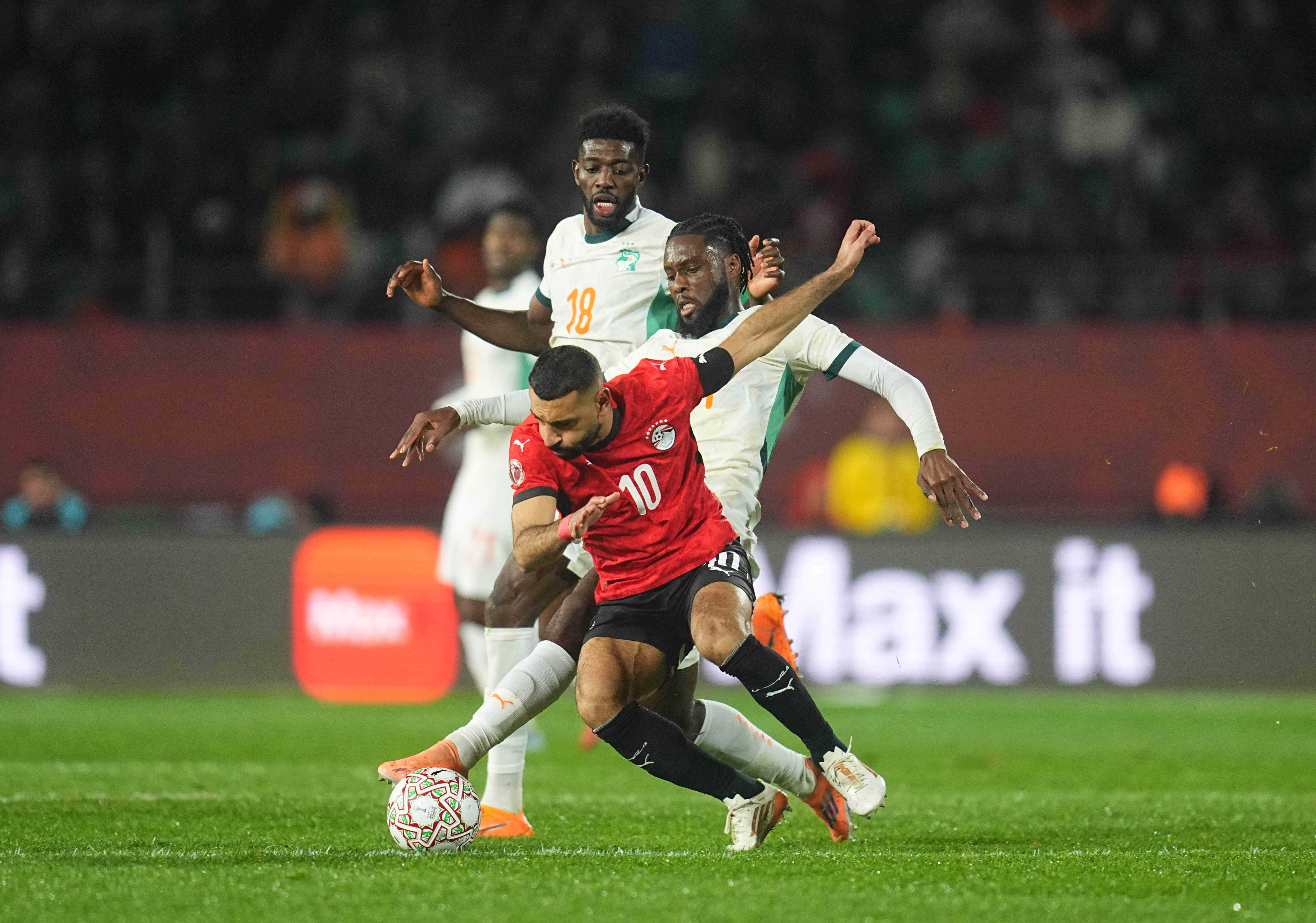
This will be the region’s most representative tournament, amid broad changes in its footballing landscape.
Issam Kayssi
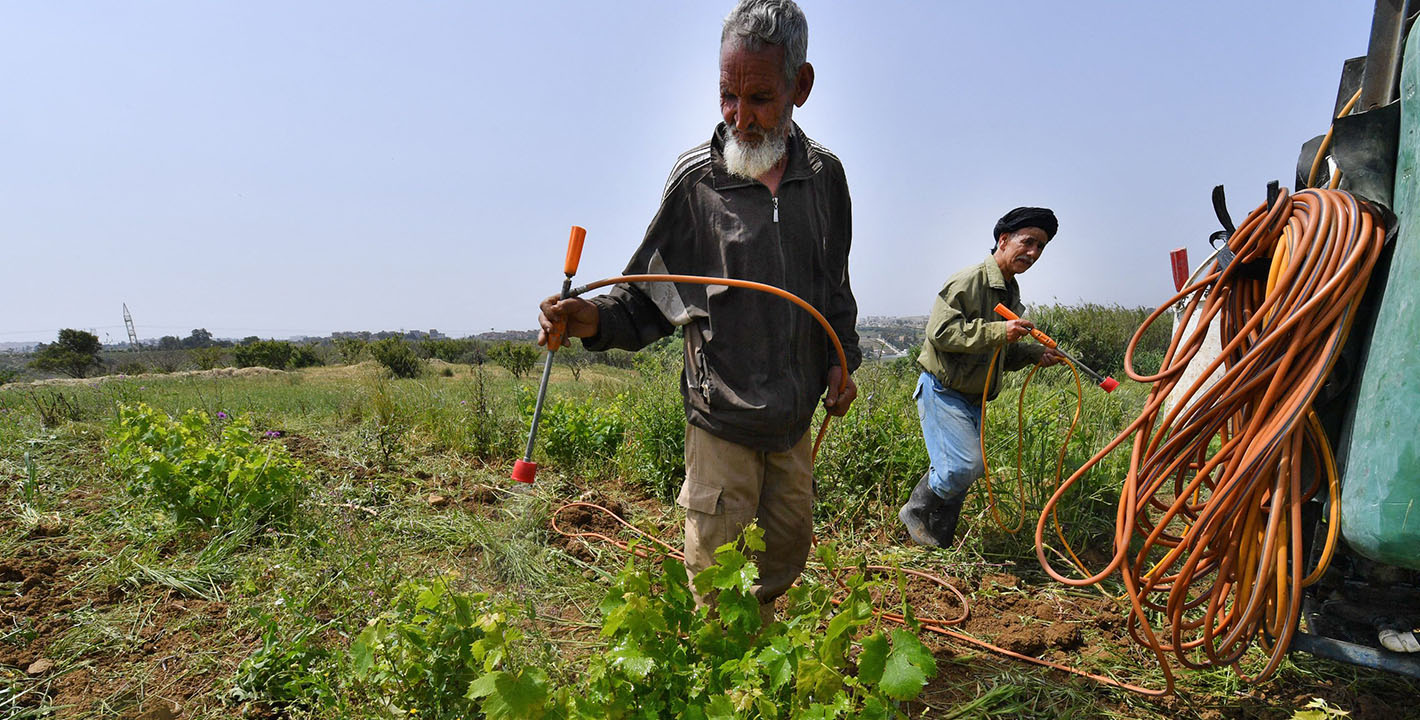
Understanding how farmers in the Oued Sahel-Soummam Valley grapple with climate change is essential for addressing the paradoxes through which adaptation, operating at both individual and institutional levels, deepens the region’s vulnerability and erodes the social fabric and agrarian identity that once defined life.

Ilyssa Yahmi
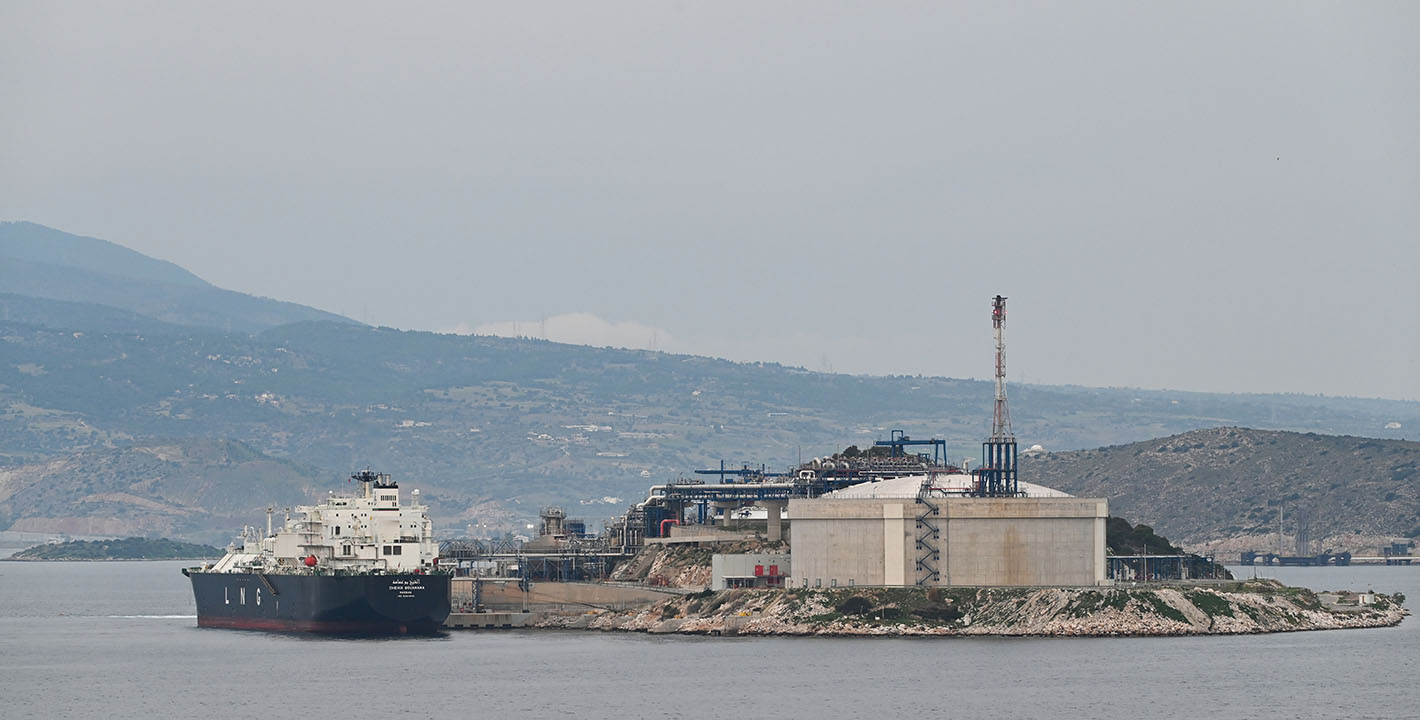
Unless the European Union-led energy transition provides economic development to Algeria, Morocco, and Tunisia, the process may be perceived as a new form of extraction.
Yasmine Zarhloule