

Commentary
Just look at Iraq in 1991.
Marwan Muasher

REQUIRED IMAGE
This paper provides a historical overview of religious education in Central Asia, and assesses the efforts of the Uzbek government to define the content of Islam that has been presented in public life since independence was obtained in 1991.
Source: Carnegie Endowment
Islam in Uzbekistan: Religious Education and State Ideology is the fourth paper of the ongoing series on Islam in Central Asia. It provides a historical overview of religious education in Central Asia, focusing on the hujra system and its founders, and assesses the efforts of the Uzbek government to define the content of Islam that has been presented in public life since independence was obtained in 1991. It examines the presentation of Islam in the schools—especially in Tashkent Islamic University, seen as the premier training institution for secular teachers of Islam—and the presentation of Islam in the mass media.
Former Senior Associate, Russia and Eurasia Program and, Co-director, al-Farabi Carnegie Program on Central Asia
Olcott is professor emerita at Colgate University, having taught political science there from 1974 to 2002. Prior to her work at the endowment, Olcott served as a special consultant to former secretary of state Lawrence Eagleburger.
Diora Ziyaeva
Carnegie does not take institutional positions on public policy issues; the views represented herein are those of the author(s) and do not necessarily reflect the views of Carnegie, its staff, or its trustees.

Just look at Iraq in 1991.

Marwan Muasher

A coalition of states is seeking to avert a U.S. attack, and Israel is in the forefront of their mind.

Michael Young

Baku may allow radical nationalists to publicly discuss “reunification” with Azeri Iranians, but the president and key officials prefer not to comment publicly on the protests in Iran.

Bashir Kitachaev

The country’s leadership is increasingly uneasy about multiple challenges from the Levant to the South Caucasus.

Armenak Tokmajyan
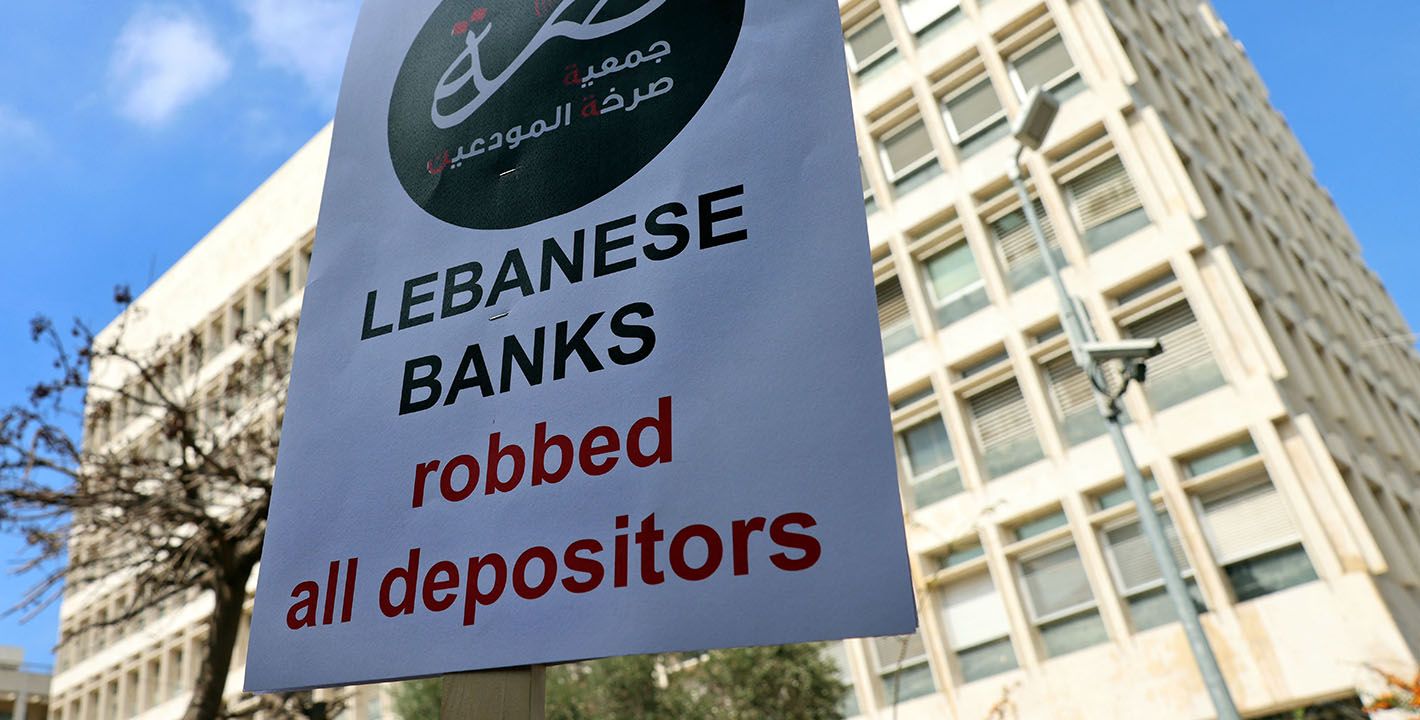
In an interview, Ishac Diwan looks at the merits and flaws in the draft legislation distributing losses from the financial collapse.
Michael Young