

Commentary
Huawei pushed hard to enter the Egyptian data centers market, until the Americans made a better offer.
Angie Omar

In the past three decades, China’s legal system has undergone significant reform. Although a recent study shows improvement, China’s legal reform remains a work in progress.
In the past three decades, China’s legal system has undergone significant reform. But only a few empirical studies have tried to measure whether the reforms are succeeding in protecting the rights of individuals or businesses. To come up with a better understanding of how well China’s revamped legal system is performing in the protection of property rights, Minxin Pei worked with a group of researchers at the Shanghai Academy of Social Sciences to conduct two surveys of litigants in Shanghai covering 214 individuals and 190 companies. Respondents were asked a range of questions about their cases, including their preparations for trials and court proceedings.

Former Adjunct Senior Associate, Asia Program
Pei is Tom and Margot Pritzker ‘72 Professor of Government and the director of the Keck Center for International and Strategic Studies at Claremont McKenna College.
Zhang Guoyan
Pei Fei
Chen Lixin
Carnegie does not take institutional positions on public policy issues; the views represented herein are those of the author(s) and do not necessarily reflect the views of Carnegie, its staff, or its trustees.

Huawei pushed hard to enter the Egyptian data centers market, until the Americans made a better offer.

Angie Omar

Municipal elections in the city may be a harbinger of developments in the Sunni community.

Issam Kayssi

China has aligned its cooperation model with Saudi Arabia’s own priorities, most notably since the kingdom unveiled its Vision 2030. Although China announced the Belt and Road Initiative in 2013, the big push in relations happened only after the ascendance of King Salman to the throne in 2015 and Riyadh’s push for Beijing to meet Saudi needs.

Hesham Alghannam
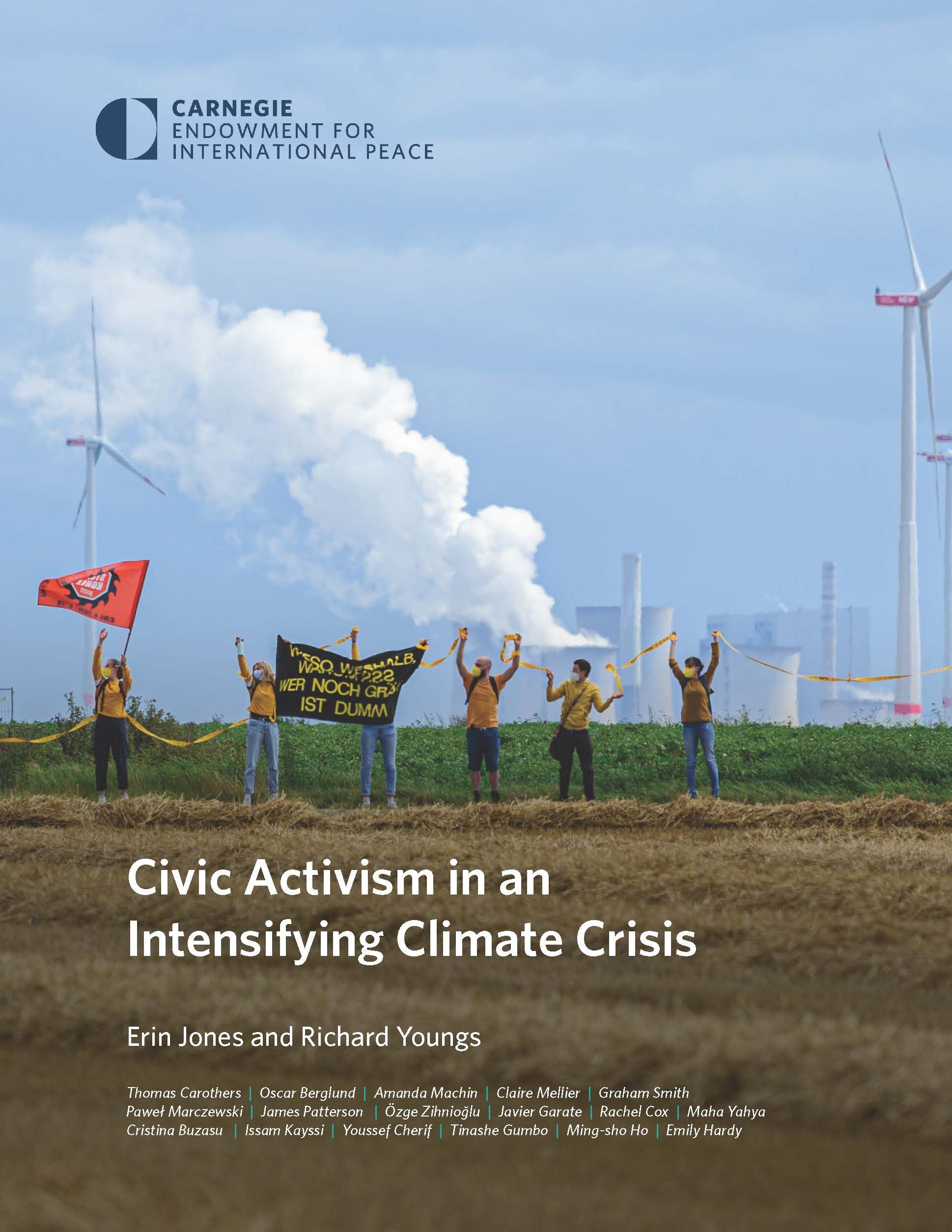
To address the deepening climate crisis, climate activism is employing a wider variety of tactics and aiming at a broader set of goals. In response, the movement faces stronger repression and civic backlash against climate action.


Erin Jones, Richard Youngs
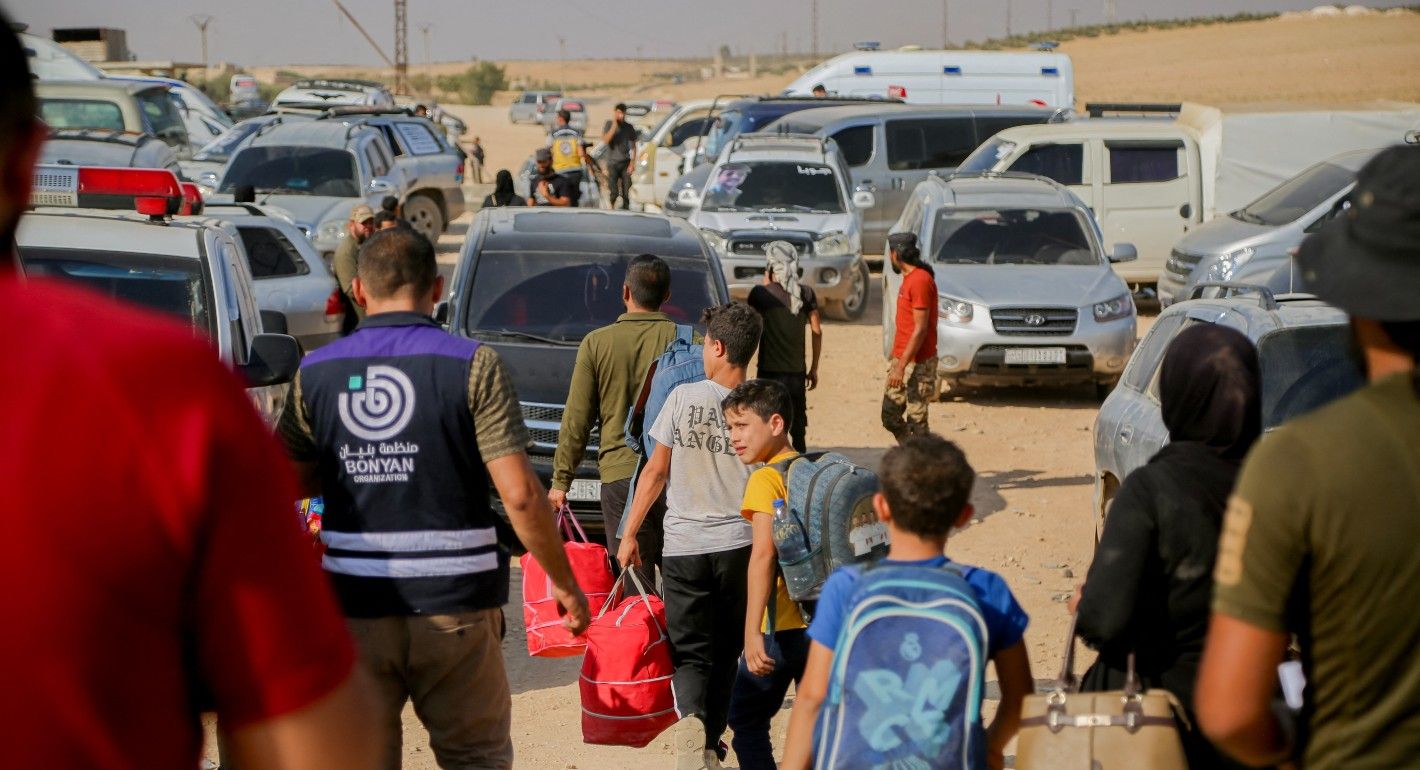
A humanitarian crisis in Lebanon deepens, and Syrian refugees face a perilous choice: remain in a war-torn environment or return to Syria where they risk encountering significant dangers and discrimination. There are significant challenges and risks to their search for safety in Syria.
Haid Haid