

Commentary
- +2
Memduh Karakullukçu, Dmitri Trenin, Ümit Pamir, …
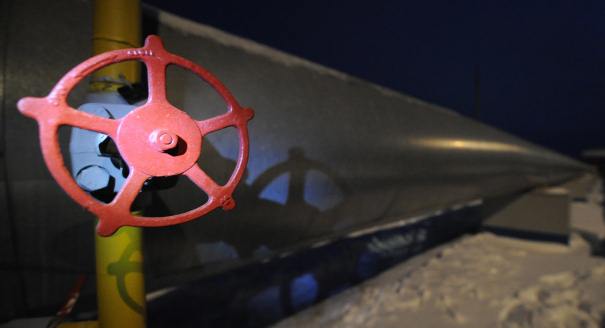
Source: Getty
Changing market conditions, increasing costs of production, and a new commitment to efficiency have given Russia an opportunity to increase its collaboration with Europe on issues of energy security.
At the end of the last EU–Russia Summit in Rostov-on-Don, European Council President Herman Van Rompuy uttered an ambitious statement. Announcing Europe’s readiness to be a partner in Russia’s modernization, he noted “With Russia we don’t need a reset. We want a fast-forward.”
While the two sides are sorting out a clearer road map about a partnership in modernizing Russia, a key question is what type of role energy will play in fostering this partnership. During the past few years, energy—amidst Europe’s mounting concerns about security of supply—largely played the role of a “pause” button in deepening Russian-European relations. Will it now serve as a “fast forward” button for deepening the partnership? The answer lies in addressing mutual energy security concerns as well as in expanding opportunities for joint energy sector projects involving Russian and European (along with other foreign) companies.
An optimist would find some positive signs in three areas at least. First, energy efficiency has suddenly emerged as a big priority for the Russian government. Key legislation was recently put in place and governmental commissions have been launched to actively pursue the ambitious targets set by President Medvedev. Furthermore, energy efficiency is hardly a controversial area, and both Russia and its Western partners see mutual benefits in cooperation. For Europe in particular, a more energy efficient Russia means potentially more hydrocarbons available for its own market. For Russia, improving energy efficiency is a key for enhancing the competitiveness of its economy, and the drive itself for greater efficiency could spur innovation-based industries.
Second, it is probably fair to say that the Russian leadership already faces increasingly compelling reasons to broaden the participation of foreign companies in developing its hydrocarbons. Its largest Soviet-era gas fields are in decline and the core of its oil production, West Siberia, has started to generate fewer volumes while development costs are rising. The focus is gradually shifting towards new fields, but the cost for developing them will be staggering and the need for foreign technology and capital is getting considerably larger. Furthermore, Russia is already a high-cost hydrocarbon producer—indicating that economic risks of investment are relatively higher due to price uncertainties. As the global recession has further augmented such uncertainties, Russia could only benefit if foreign partners share such economic risks through expanding their involvement in Russia’s oil and gas sectors. As an additional benefit, if European and multinational companies acquire a more solid stake in Russian oil and gas, this could also alleviate European energy security concerns.
Finally, the gas market, which was at the center of European–Russian tensions in the past few years, looks very different now. Europe may well find itself in a relatively stronger negotiating position against is principal external gas supplier—Gazprom. Market fundamentals have suddenly shifted as a major decline in Europe’s gas demand has coincided with a substantial growth in gas traded on spot markets. As a sign of readjusting itself to this condition, Gazprom has agreed to index some of its gas deliveries to spot market prices—a major step back from its traditionally firm commitment to long-term contracts. What probably further weakens Gazprom’s hand over the next few years is that it is largely captive to the European market. A decade of negotiations with potential Asian buyers of pipeline gas is still far from reaching a conclusion. Likewise, Gazprom entered the liquefied natural gas (LNG) business only recently and its ability to compete in this segment of the gas market will remain modest at most for some time.
Yet, an energy-driven “fast forward” in a Russian–European partnership is far from guaranteed. Take for instance, even one of the least controversial areas of this partnership—energy efficiency. Russia’s energy inefficient economy has many beneficiaries and it will probably not be easy to overcome their resistance. This could restrict the scope of joint Russian-European projects.
With regard to foreign involvement in developing Russia’s hydrocarbons, the restrictive law on foreign investments in “strategic” sectors remains as a key obstacle. There are indications that the Russian leadership has noticed the backlog of projects created by this legislation and Prime Minister Putin has hinted at the possibility for a revision. But the question is whether the Russian leadership will adopt a comprehensive approach and strengthen property rights for all investors. Traditionally, the instinct has been a preference towards ad hoc measures as they serve to enhance the power of the Russian state against non-state actors.
Meanwhile, it needs to be recognized that energy security is not a one-way street. Gazprom has hardly ever faced this level of uncertainty about its export markets and may respond by expanding its efforts to acquire European downstream assets as a means for safeguarding its market share. Such objectives will run into a wall being raised by EU’s Third Directive for the gas market – which mandates unbundling of upstream and downstream assets – and a solution is not yet on the horizon.
Finally, despite the major drop in oil prices in 2008, they are still high by historical standards. The question is: will the Russian leadership perceive these prices as “high enough” to maintain energy policies that have added to Europe’s energy security concerns in the past?
Former Senior Associate, Energy and Climate Program
Vatansever was a senior associate in the Energy and Climate Program where he specializes in the energy sectors of the former Soviet republics and Eastern Europe.
Recent Work
Memduh Karakullukçu, Dmitri Trenin, Ümit Pamir, …
Adnan Vatansever, Анна Корппоо
Carnegie does not take institutional positions on public policy issues; the views represented herein are those of the author(s) and do not necessarily reflect the views of Carnegie, its staff, or its trustees.

In an interview, Ian Lustick and Eli Clifton discuss their new book on why a prominent ally has so much influence in America.

Michael Young

By failing to address Palestinian representation, the current process is bound to lead to just another temporary arrangement.

Nathan J. Brown
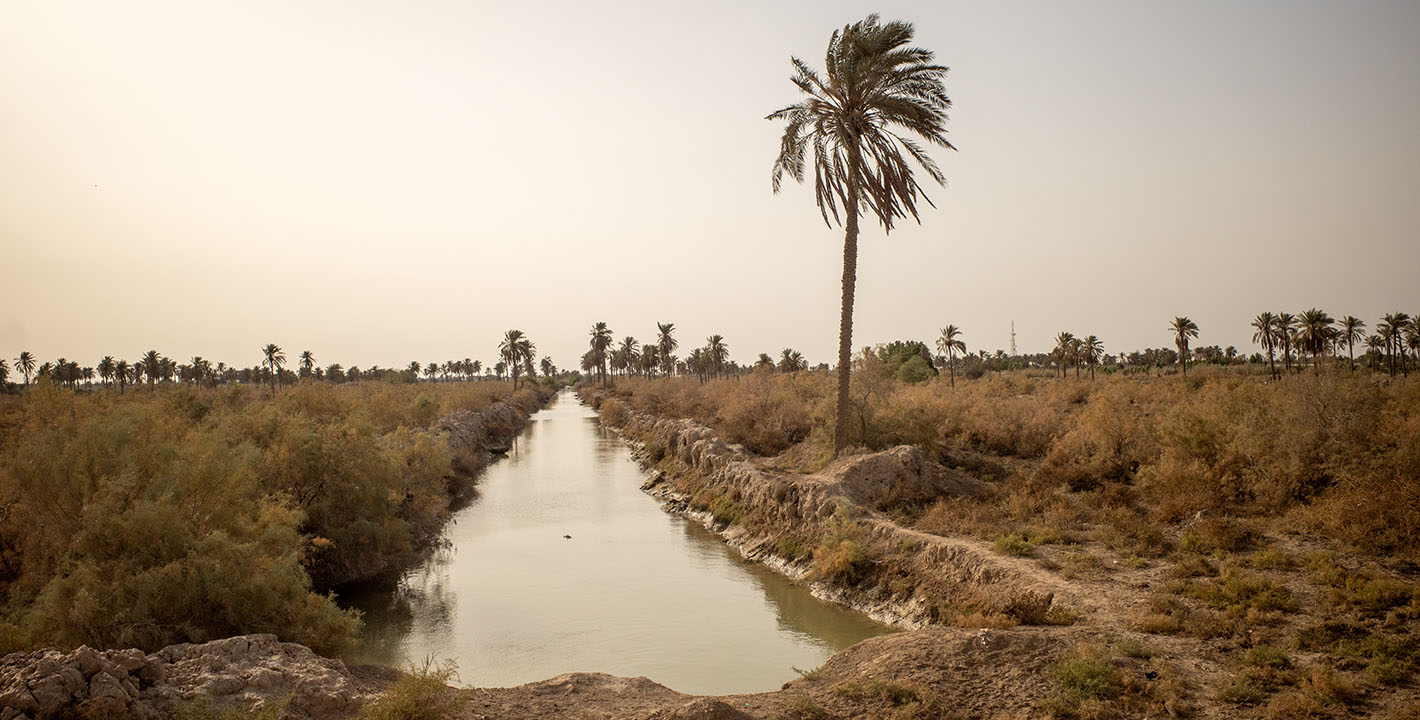
Across the Middle East and North Africa, climate stress interacts with economic fragility, governance failures, social marginalization, and conflict.
Camille Ammoun
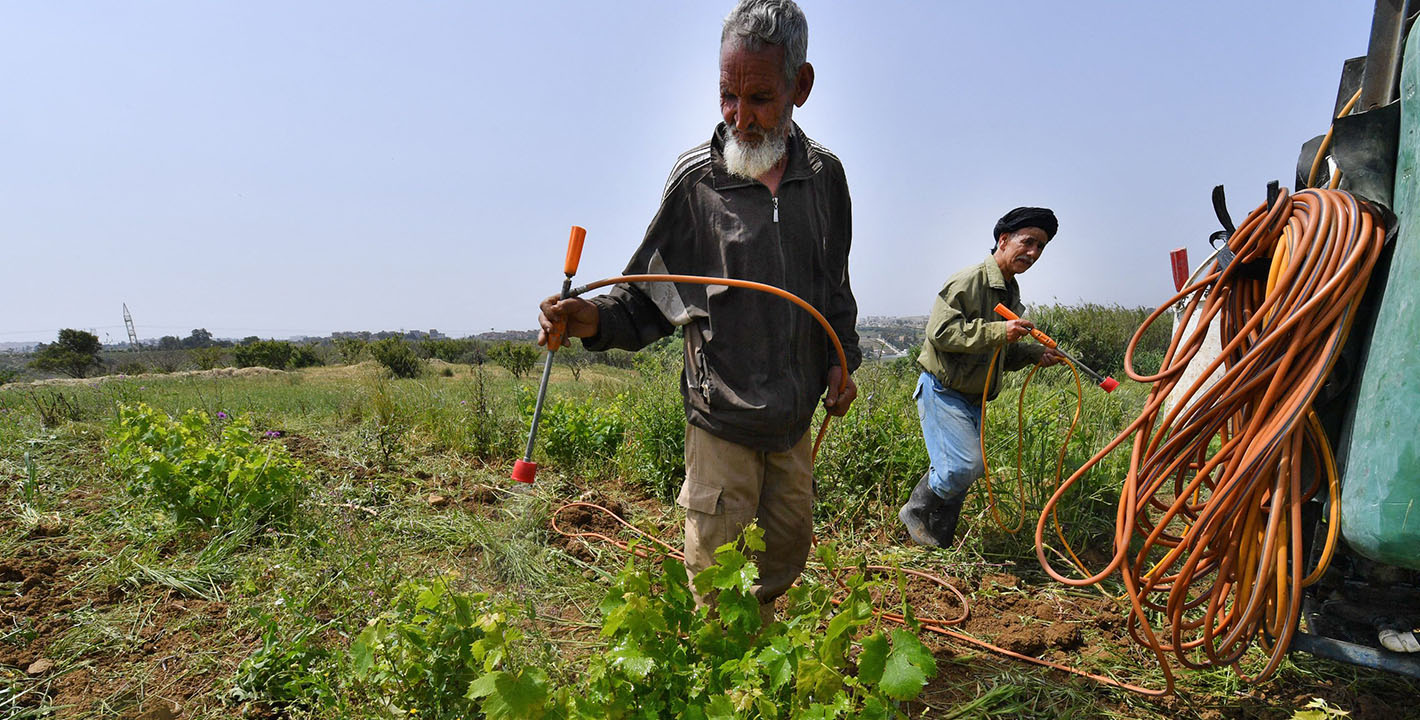
Understanding how farmers in the Oued Sahel-Soummam Valley grapple with climate change is essential for addressing the paradoxes through which adaptation, operating at both individual and institutional levels, deepens the region’s vulnerability and erodes the social fabric and agrarian identity that once defined life.

Ilyssa Yahmi
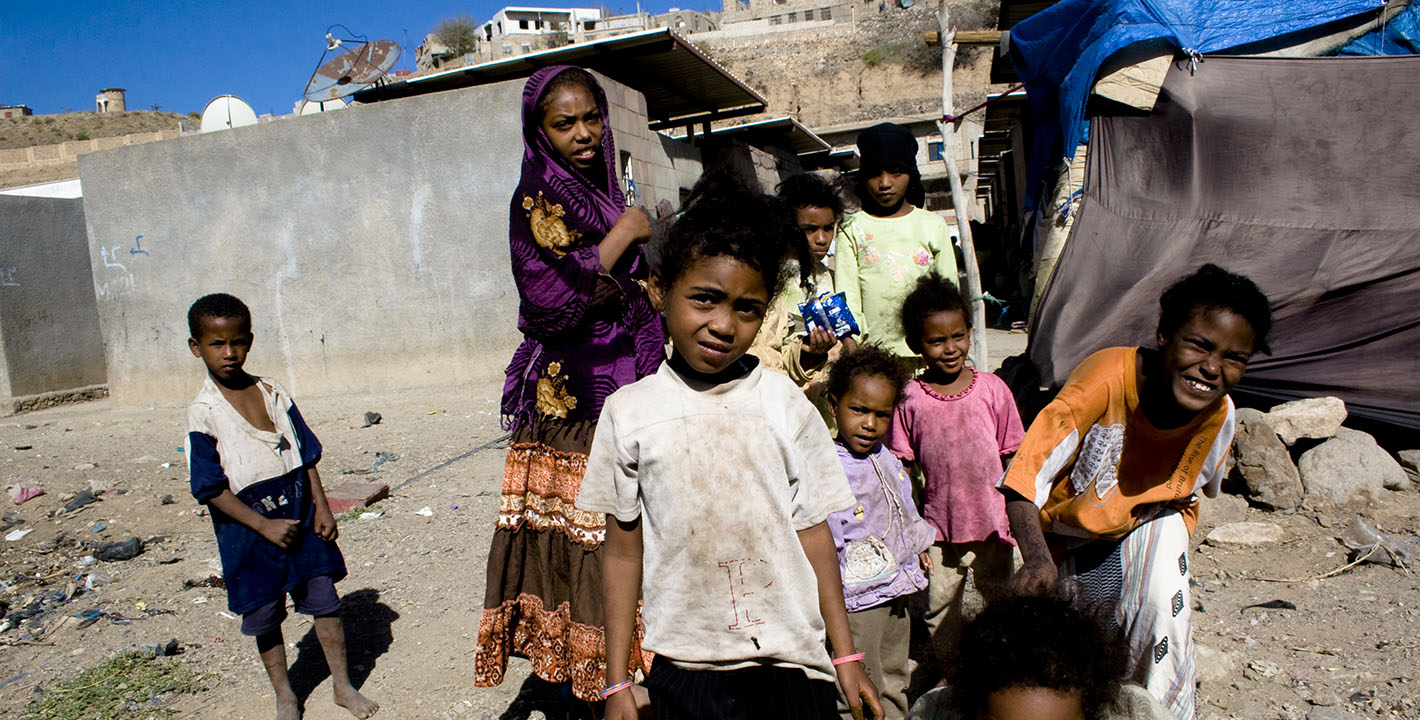
The community already suffers social discrimination, so addressing inequalities requires sustained interventions.
Musaed Aklan , Mohammad Al-Saidi