

Commentary
Thomas de Waal
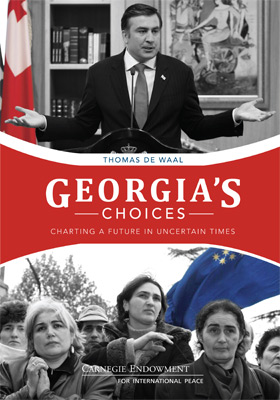
As Georgia enters a period of transition, with upcoming parliamentary and presidential elections, the current government has made good progress in building a functioning state that delivers services to citizens, but Georgia’s economic picture is increasingly uncertain.
Georgia is entering a period of transition, with parliamentary and presidential elections due in 2012‒2013, after which a new constitution will take effect. The current government has made good progress in building a functioning state that delivers services to citizens, but Georgia’s economic picture is increasingly uncertain.
The governing elite, led by President Mikheil Saakashvili, has no serious domestic political opposition but faces the challenge of how to re-invent itself. It suffers from an accountability gap and risks turning Georgia into a one-party state.
After years of governing in an informal and improvisational way, the Georgian government needs to build institutions and choose a long-term development model. Three ideas pull Georgia in different directions. One is a conservative traditional conception of “old Georgia,” which commands respect but offers little as an economic or political model. A second idea, envisaging Georgia as another “Singapore” open to worldwide investment, has many supporters, especially from the still influential libertarian group who believe that Georgia needs maximum deregulation. But foreign investment is currently falling in Georgia and this model would not solve deep problems such as rural poverty and high unemployment.
The European Union (EU) offers a third path, with a prospective Deep and Comprehensive Free Trade Area that would offer privileged access to the EU single market in return for institutional reform. This path would require the governing elite to surrender both political and economic power. The EU has sold the idea poorly and will need to offer more foreign technical assistance to ease the regulatory burden it will impose. But it offers Georgia the best hope of long-term development and a European anchor.

Senior Fellow, Carnegie Europe
De Waal is a senior fellow at Carnegie Europe, specializing in Eastern Europe and the Caucasus.
Recent Work
Thomas de Waal
Thomas de Waal, ed.
Carnegie does not take institutional positions on public policy issues; the views represented herein are those of the author(s) and do not necessarily reflect the views of Carnegie, its staff, or its trustees.
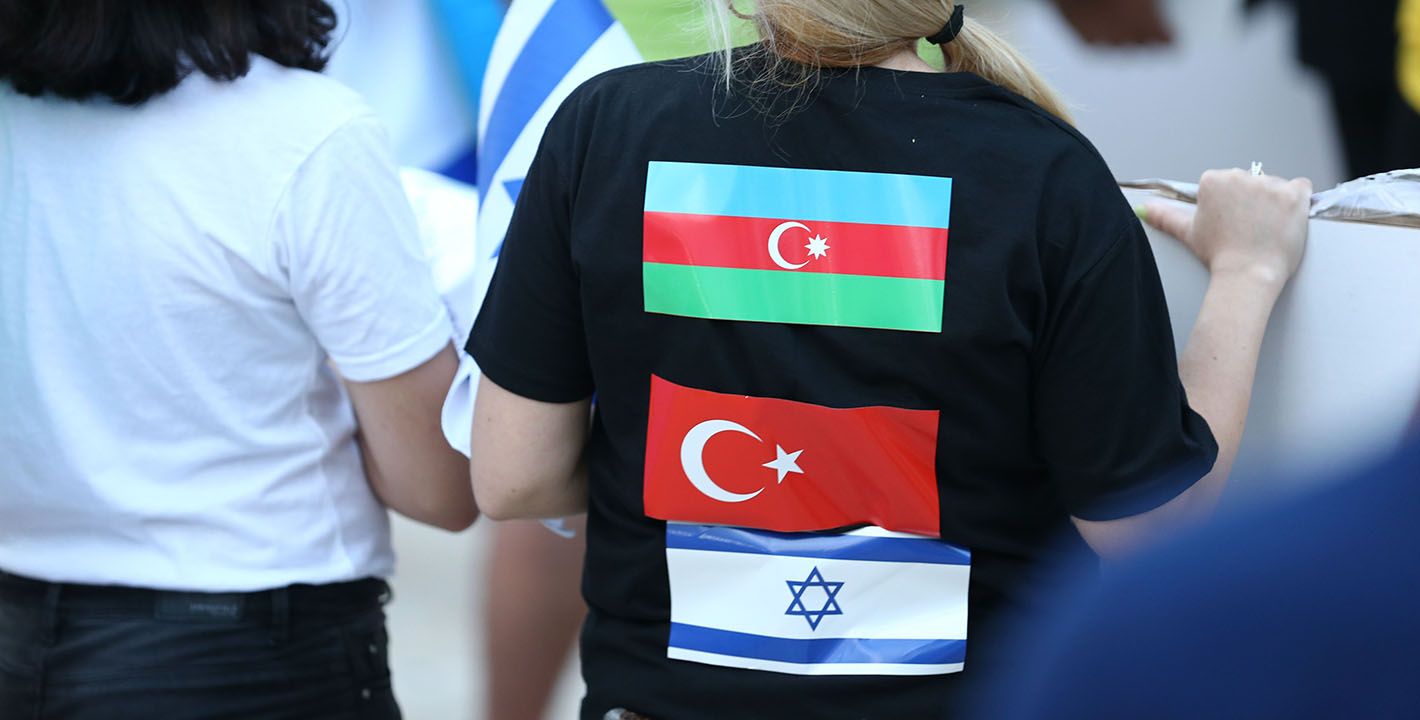
The country’s leadership is increasingly uneasy about multiple challenges from the Levant to the South Caucasus.

Armenak Tokmajyan
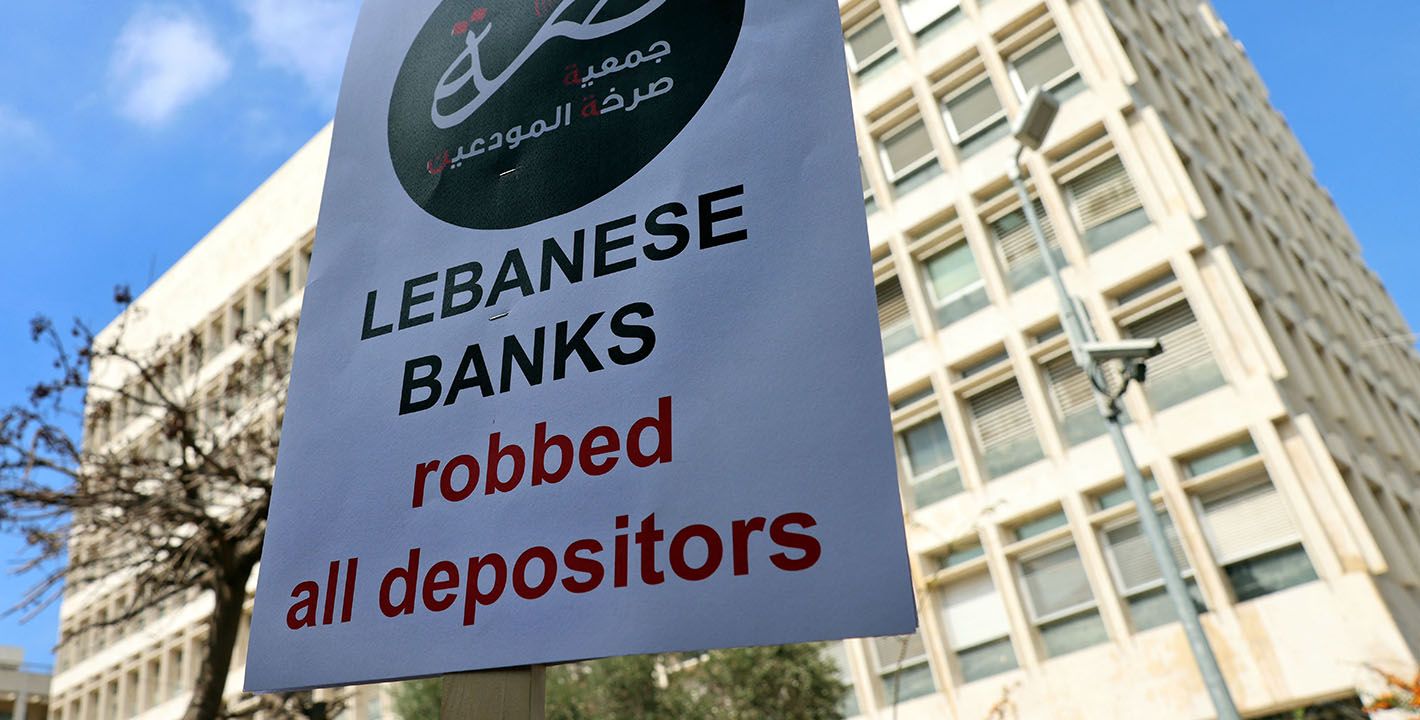
In an interview, Ishac Diwan looks at the merits and flaws in the draft legislation distributing losses from the financial collapse.

Michael Young
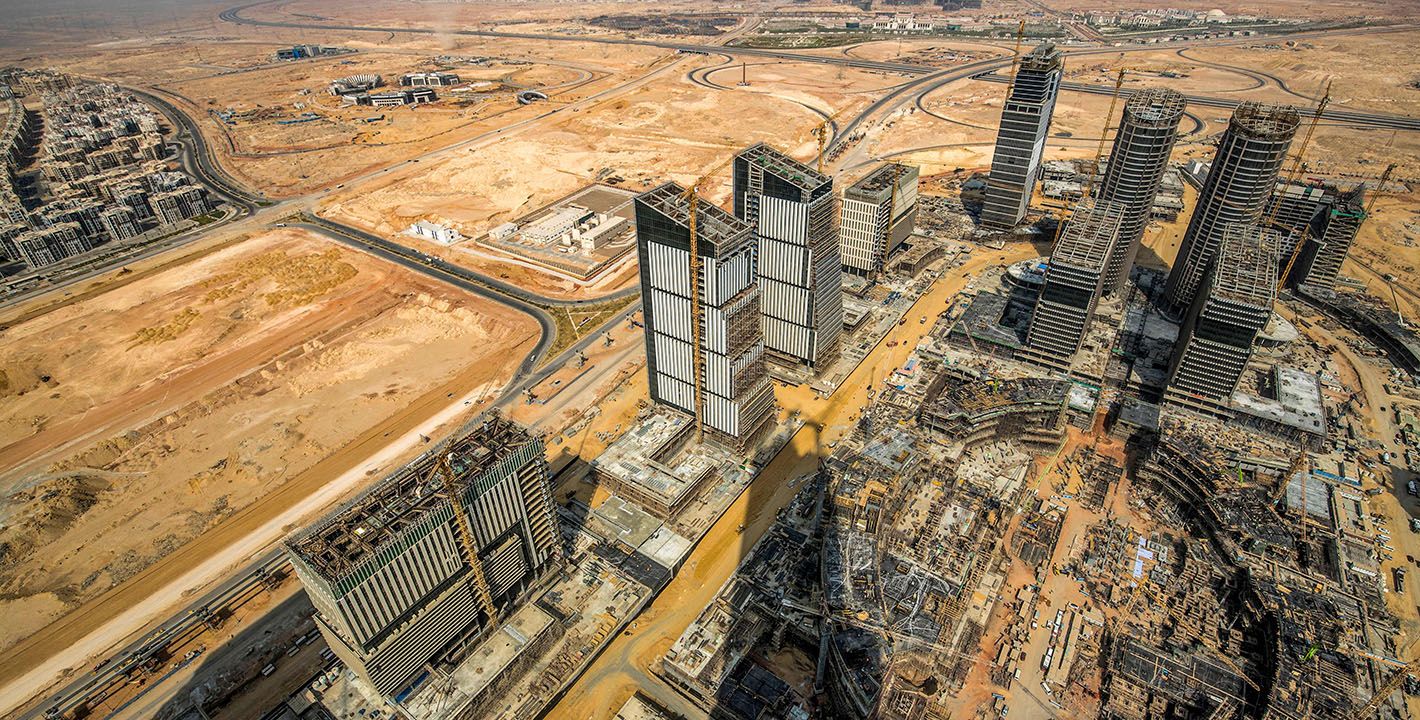
Mustaqbal Misr has expanded its portfolio with remarkable speed, but a lack of transparency remains.

Yezid Sayigh
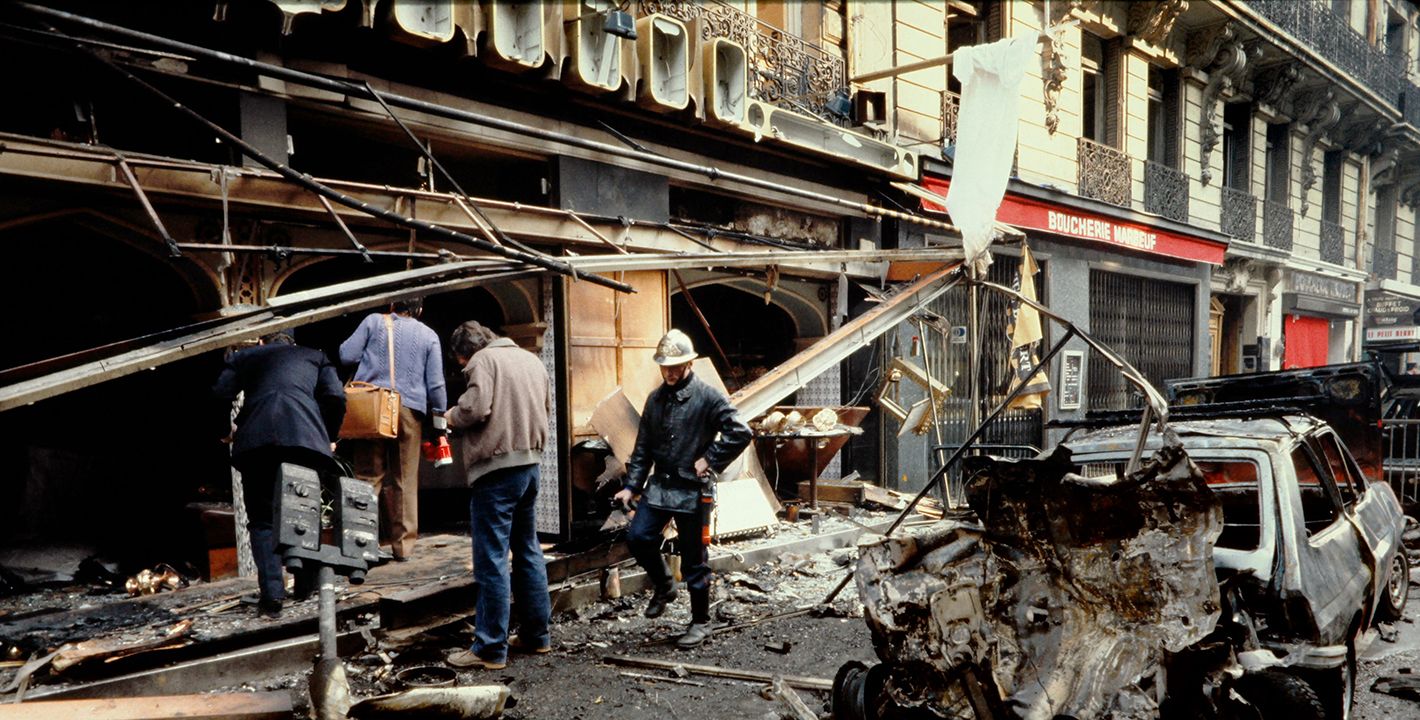
In an interview, Daniela Richterova speaks about her book on Czechoslovakia’s Cold War ties to Palestinian groups and others.
Michael Young
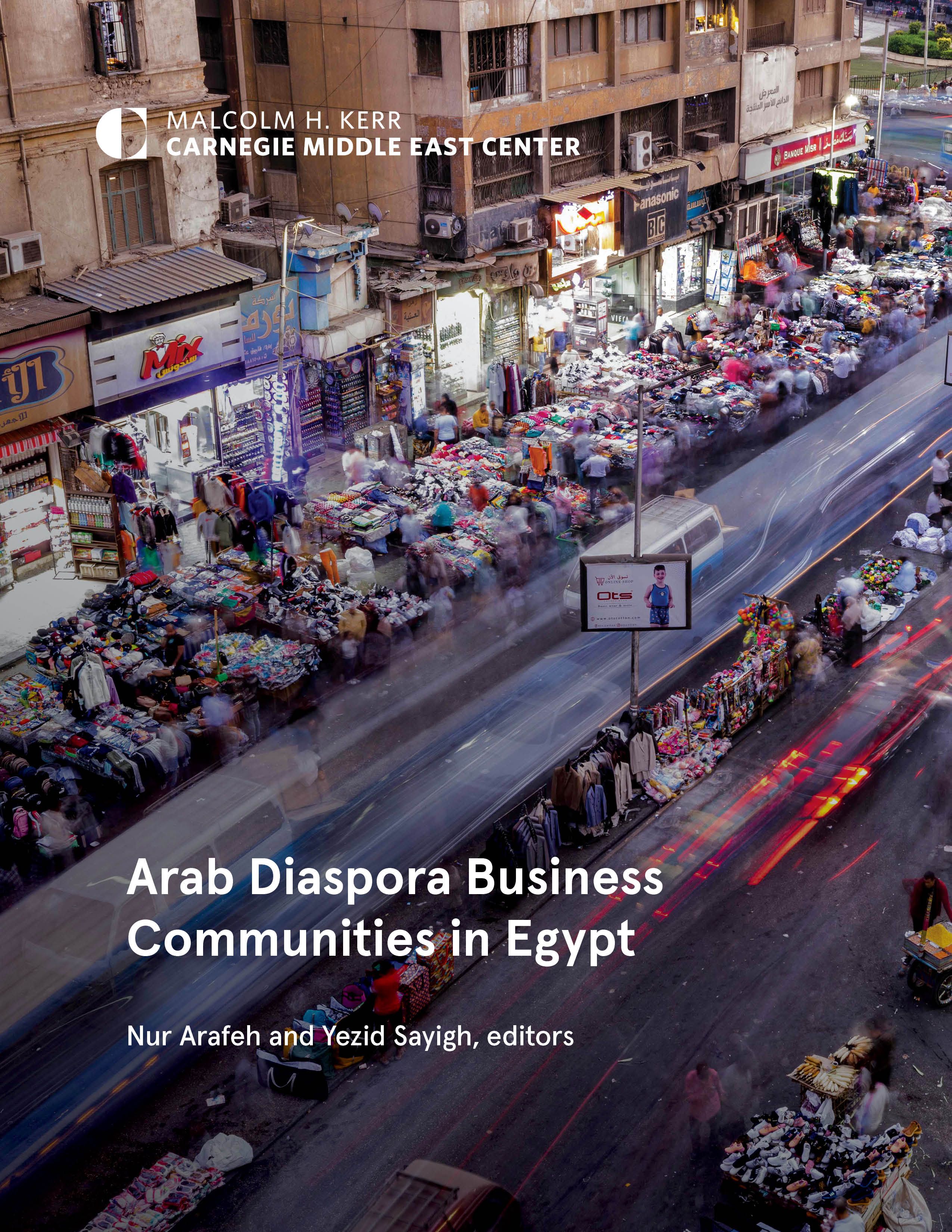
Arab diaspora business communities in Egypt often mirror the same systemic challenges facing Egyptian businesses.
Nur Arafeh, Yezid Sayigh, Qaboul al-Absi, …