

Q&A
- +1
Amr Hamzawy, Andrew Leber, Eric Lob, …
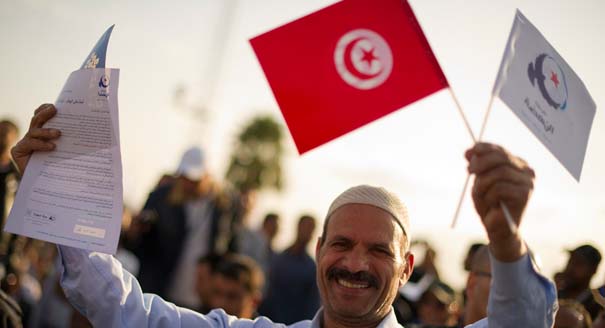
Source: Getty
By holding largely peaceful elections just ten months after the fall of its long-time dictator, the country credited with sparking the waves of protest that swept the Arab world is serving as an example to the rest of the region.
In the first test of the Arab Awakening, a moderate Islamist party received the largest number of votes, secularist parties accepted the results, and discussions began on forming a unity government—all optimistic signs for a new democracy in Tunisia. By holding largely peaceful elections just ten months after the fall of its long-time dictator, the country credited with sparking the waves of protest that swept the Arab world is serving as an example to the rest of the region.

Vice President for Studies
Marwan Muasher is vice president for studies at Carnegie, where he oversees research in Washington and Beirut on the Middle East. Muasher served as foreign minister (2002–2004) and deputy prime minister (2004–2005) of Jordan, and his career has spanned the areas of diplomacy, development, civil society, and communications.
Recent Work



Amr Hamzawy, Andrew Leber, Eric Lob, …
Marwan Muasher
Carnegie does not take institutional positions on public policy issues; the views represented herein are those of the author(s) and do not necessarily reflect the views of Carnegie, its staff, or its trustees.
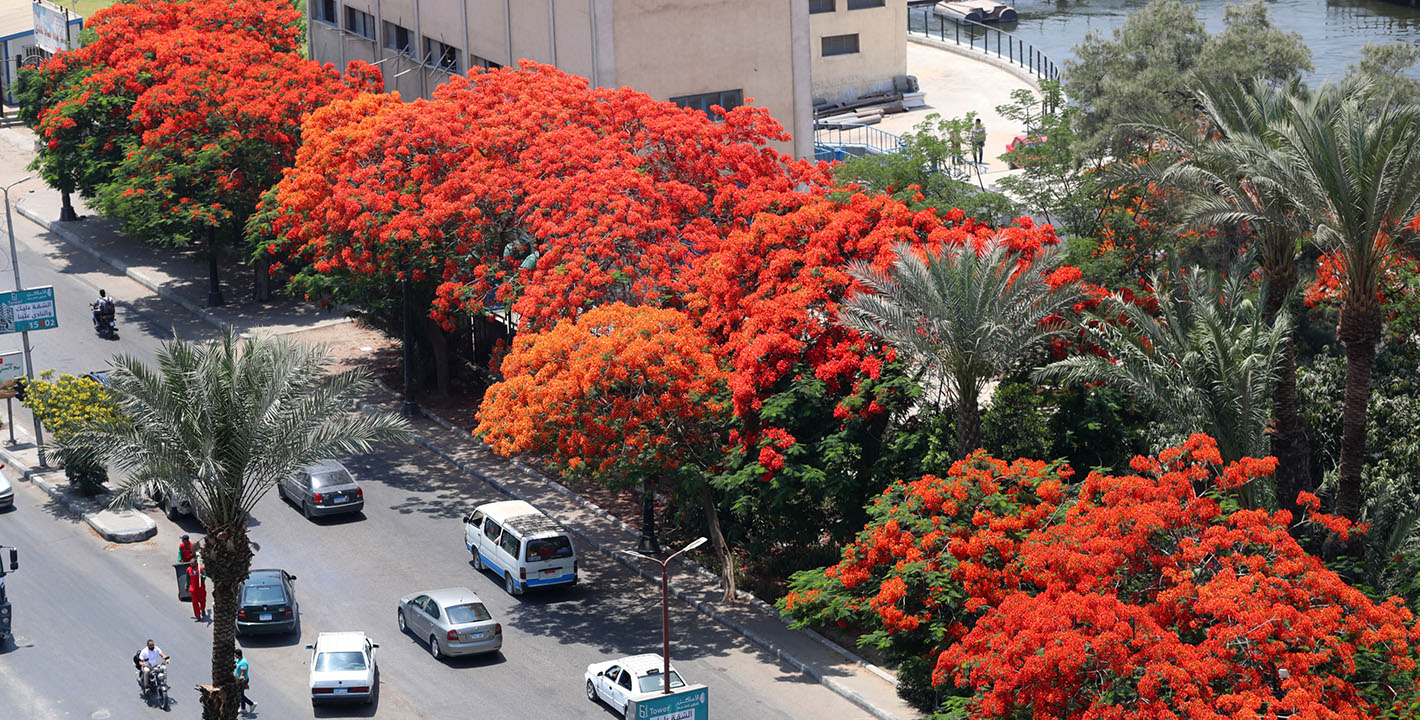
In Egypt’s dense cities, the disappearance of foliage has health implications and punishes daily commuters.

Angie Omar

The armed forces champion a form of capitalism that is generating revenue, but its reliance on rent faces diminishing returns, leaving the country with massive sunk costs and deferred returns, deepening dependency on external borrowing.

Yezid Sayigh

Morocco and Algeria, each in its own way, are having to navigate the global economic fallout of the U.S.-Israeli military campaign against Iran.

Yasmine Zarhloule

This will be the region’s most representative tournament, amid broad changes in its footballing landscape.

Issam Kayssi
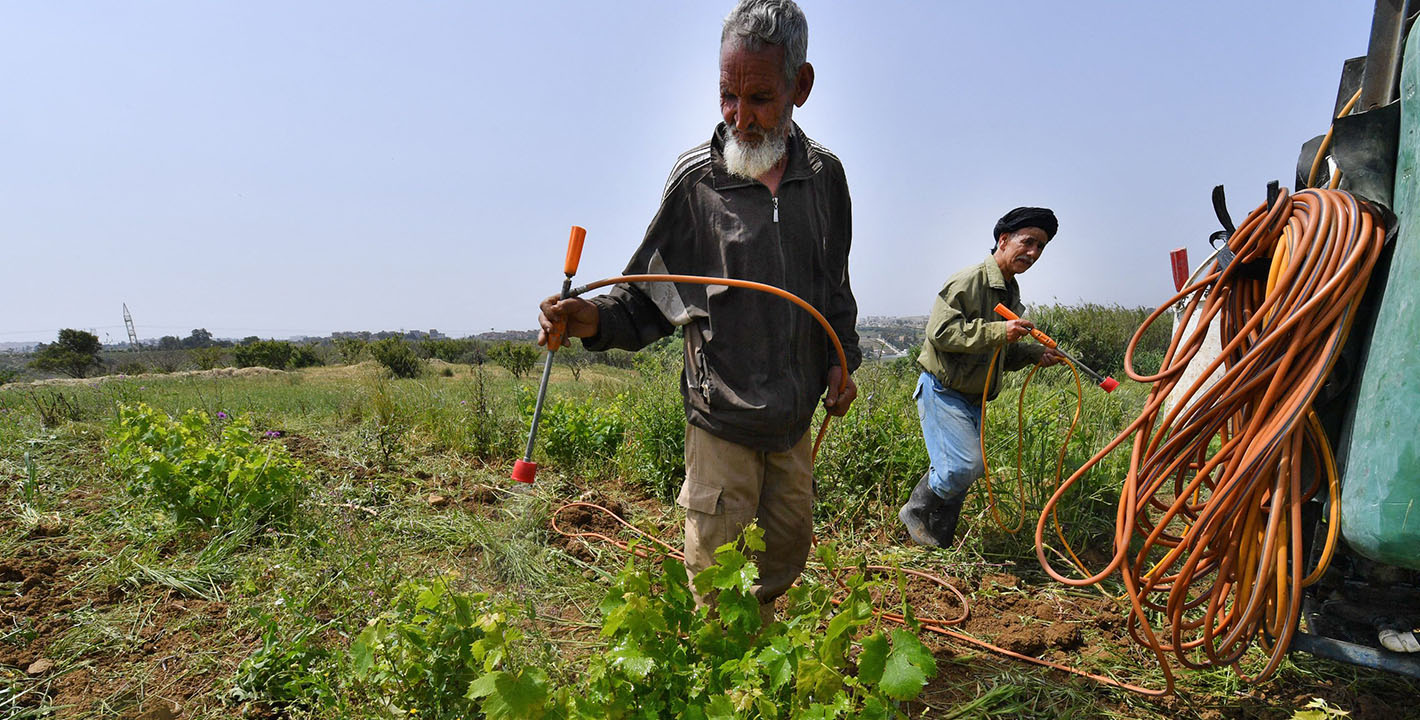
Understanding how farmers in the Oued Sahel-Soummam Valley grapple with climate change is essential for addressing the paradoxes through which adaptation, operating at both individual and institutional levels, deepens the region’s vulnerability and erodes the social fabric and agrarian identity that once defined life.

Ilyssa Yahmi