
Just look at Iraq in 1991.
Marwan Muasher
The Sahara suffers from a perfect storm of weaknesses. Foreign assistance that relies exclusively on counterterrorism will only exacerbate the problems.
Source: Carnegie Endowment for International Peace
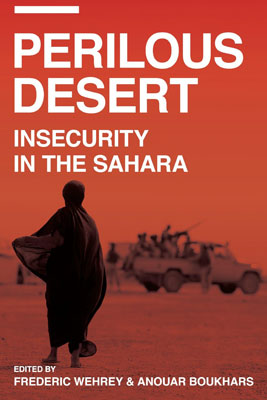
The geopolitical significance of the Sahara is becoming painfully clear. Islamist militant groups and transnational criminal networks are operating in the region's most fragile states, exploiting widespread corruption, weak government capacity, crushing poverty, and entrenched social and ethnic tensions. The unrest spills over borders and aggravates protracted regional crises.
This insecurity raises urgent concerns for the broader Sahara and the West. Perilous Desert details the sources of instability and what can be done to minimize the threat of simmering conflicts.
Leading experts, through comprehensive accounts of the changing landscape, demonstrate how foreign assistance that relies exclusively on counterterrorism will only exacerbate the problems. Solutions require understanding and combatting the roots of the Sahara's many challenges.
Senior Fellow, Middle East Program
Frederic Wehrey is a senior fellow in the Middle East Program at the Carnegie Endowment for International Peace, where his research focuses on governance, conflict, and security in Libya, North Africa, and the Persian Gulf.
Former Nonresident Fellow, Middle East Program
Boukhars was a nonresident fellow in Carnegie’s Middle East Program. He is a professor of countering violent extremism and counter-terrorism at the Africa Center for Strategic Studies, National Defense University.
Carnegie does not take institutional positions on public policy issues; the views represented herein are those of the author(s) and do not necessarily reflect the views of Carnegie, its staff, or its trustees.
Just look at Iraq in 1991.
Marwan Muasher
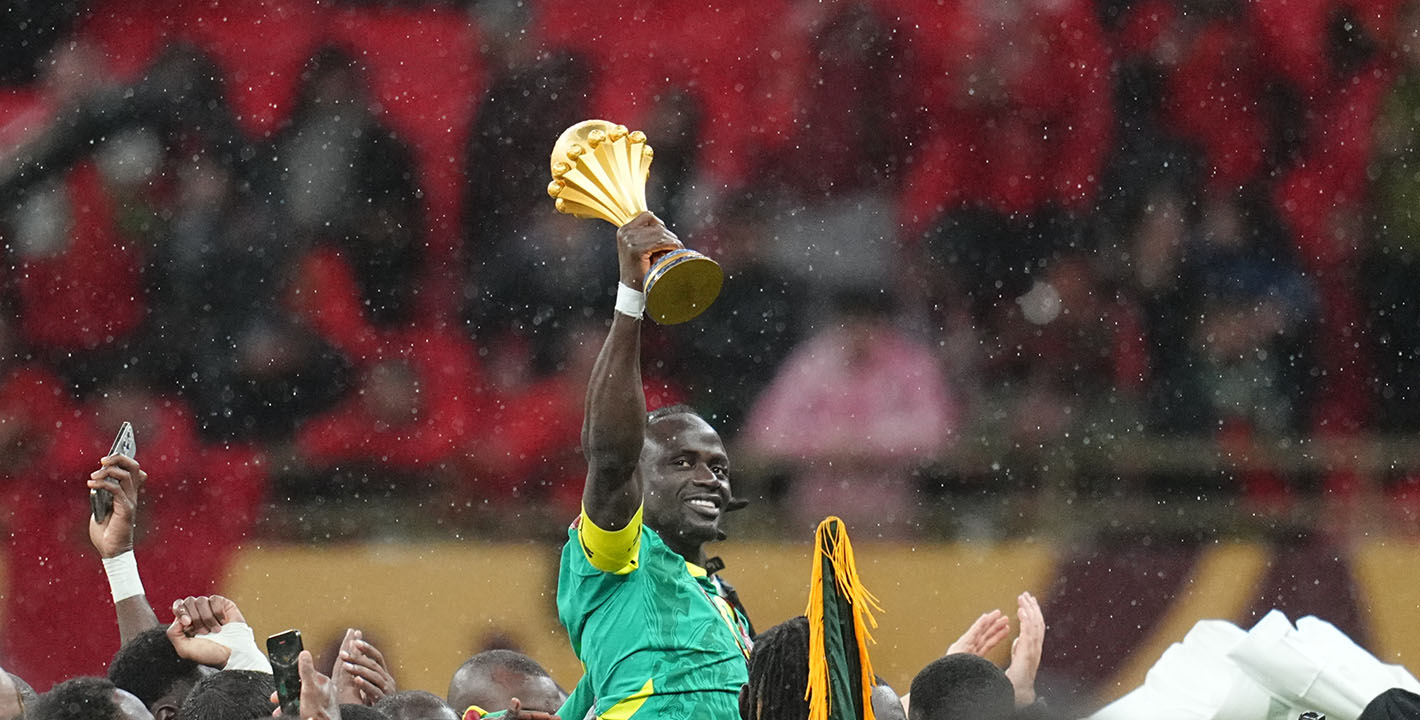
The recent African Cup of Nations tournament in Morocco touched on issues that largely transcended the sport.
Issam Kayssi, Yasmine Zarhloule
Baku may allow radical nationalists to publicly discuss “reunification” with Azeri Iranians, but the president and key officials prefer not to comment publicly on the protests in Iran.
Bashir Kitachaev
The UN Support Mission in the country should reassess its approach so that consensus between the warring parties becomes the eventual goal, rather than a procedural matter that dogs the negotiating process at every turn.
Soraya Rahem
Mustaqbal Misr has expanded its portfolio with remarkable speed, but a lack of transparency remains.
Yezid Sayigh