• Research
  • Diwan
  • About
  • Experts
Carnegie Middle East logoCarnegie lettermark logo
PalestineSyria
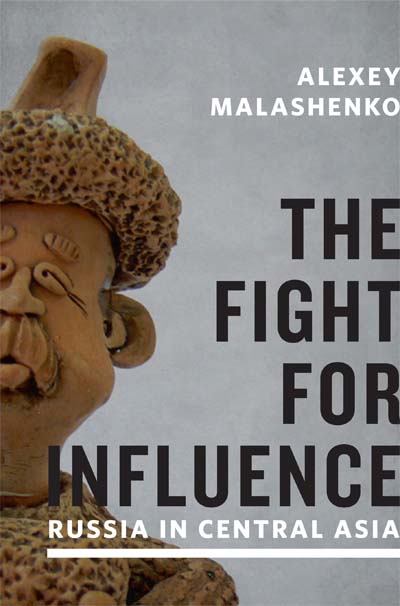
The Fight for Influence: Russia in Central Asia
Book
Carnegie Russia Eurasia Center

The Fight for Influence: Russia in Central Asia

It is time for Moscow to rethink its approach to Central Asia.

Link Copied
By Alexey Malashenko
Published on Dec 10, 2013

Additional Links

BriefiTunes - $9.99Nook - $10.99Hardback - $49.95Paperback - $19.95Kindle - $9.99
Project hero Image

Project

Eurasia in Transition

Learn More

Russian influence in Central Asia is waning. Since attaining independence, Kazakhstan, Kyrgyzstan, Tajikistan, Turkmenistan, and Uzbekistan have forged their own paths—building relationships with outside powers and throwing off the last vestiges of Soviet domination. But in many ways, Moscow still sees Central Asia through the lens of the Soviet Union, and it struggles to redefine Russian relations with the region.     

Alexey Malashenko offers a comprehensive analysis of Russian policies and prospects in Central Asia. It is clear that Russian policy in the former Soviet space is entering uncharted territory. But does the ruling establishment understand the fundamental shifts under way? It is time for Moscow to rethink its approach to Central Asia.

Alexey Malashenko
Former Scholar in Residence, Religion, Society, and Security Program
Alexey Malashenko
Central AsiaKazakhstanKyrgyz RepublicTajikistanTurkmenistanUzbekistanRussiaForeign Policy

Carnegie does not take institutional positions on public policy issues; the views represented herein are those of the author(s) and do not necessarily reflect the views of Carnegie, its staff, or its trustees.

More Work from Malcolm H. Kerr Carnegie Middle East Center

  • Commentary
    Diwan
    Iran and the New Geopolitical Moment

    A coalition of states is seeking to avert a U.S. attack, and Israel is in the forefront of their mind.

      Michael Young

  • Commentary
    Carnegie Politika
    Baku Proceeds With Caution as Ethnic Azeris Join Protests in Neighboring Iran

    Baku may allow radical nationalists to publicly discuss “reunification” with Azeri Iranians, but the president and key officials prefer not to comment publicly on the protests in Iran.

      Bashir Kitachaev
  • Commentary
    Diwan
    Iran’s Woes Aren’t Only Domestic

    The country’s leadership is increasingly uneasy about multiple challenges from the Levant to the South Caucasus.

      Armenak Tokmajyan

  • A municipal employee raises the US flag among those of other nations in Sharm el-Sheikh, as the Egyptian Red Sea resort town gets ready to receive international leaders, following a Gaza ceasefire agreement, on October 11, 2025.
    Article
    The Tragedy of Middle Eastern Politics

    The countries of the region have engaged in sustained competition that has tested their capacities and limitations, while resisting domination by rivals. Can a more stable order emerge from this maelstrom, and what would it require?

      • Mohamed Ali Adraoui

      Hamza Meddeb, Mohamed Ali Adraoui

  • Paper
    The United States and the Emerging Security Order in Eastern Syria

    As Washington reduces its presence in the country, the success of its withdrawal and continued containment of the Islamic State will hinge on adopting an approach of flexible oversight built around three priorities, as well as balancing Turkish and Israeli red lines.

      Kheder Khaddour, Issam Kayssi

Get more news and analysis from
Malcolm H. Kerr Carnegie Middle East Center
Carnegie Middle East logo, white
  • Research
  • Diwan
  • About
  • Experts
  • Projects
  • Events
  • Contact
  • Careers
  • Privacy
  • For Media
Get more news and analysis from
Malcolm H. Kerr Carnegie Middle East Center
© 2026 Carnegie Endowment for International Peace. All rights reserved.