

Paper
Ashley J. Tellis
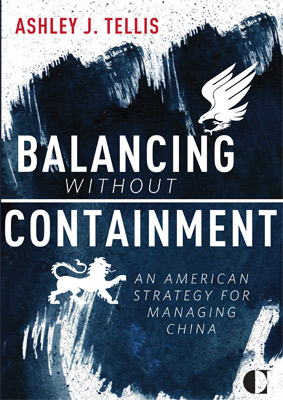
China is poised to become a major strategic rival to the United States.
China is poised to become a major strategic rival to the United States. Whether or not Beijing intends to challenge Washington’s primacy, its economic boom and growing national ambitions make competition inevitable. And as China rises, American power will diminish in relative terms, threatening the foundations of the U.S.-backed global order that has engendered unprecedented prosperity worldwide. To avoid this costly outcome, Washington needs a novel strategy to balance China without containing it.
Bolster Regional Actors. By increasing the national power of China’s neighbors, the United States can constrain Beijing’s behavior and limit its capacity for aggressiveness. This investment is in Washington’s best interest irrespective of whether it is repaid in kind because it will diminish China’s ability to misuse its growing strength and increase American geopolitical maneuverability in the Indo-Pacific. But the United States must be wary of Chinese tactics to subvert these efforts.
Selectively Deepen Globalization. The United States should make trade liberalization a top priority. Since comprehensive global liberalization remains a distant goal, Washington should work to quickly conclude key regional trade pacts, including the Trans-Pacific Partnership and the Transatlantic Trade and Investment Partnership, which promise increased relative gains to the United States and its allies vis-à-vis China.
Bolster U.S. Military Capabilities. To preserve its military superiority in the face of growing Chinese power, Washington should invest in improving U.S. power projection capabilities that will allow it to defeat challenges posed by China’s new strategic denial systems and regain U.S. freedom of action in the Indo-Pacific.
Reinvigorate the U.S. Economy. Revitalizing the domestic economy is imperative to sustaining American hegemony. To maintain its global economic dominance, the United States must emphasize labor force renewal, promote disruptive technological innovations, increase efficiency in production, and resolve the political squabbles that prevent Washington from fixing the country’s public finances.
Former Senior Fellow
Ashley J. Tellis was a senior fellow at the Carnegie Endowment for International Peace.
Recent Work
Ashley J. Tellis
Ashley J. Tellis
Carnegie does not take institutional positions on public policy issues; the views represented herein are those of the author(s) and do not necessarily reflect the views of Carnegie, its staff, or its trustees.

By failing to address Palestinian representation, the current process is bound to lead to just another temporary arrangement.

Nathan J. Brown

Morocco and Algeria, each in its own way, are having to navigate the global economic fallout of the U.S.-Israeli military campaign against Iran.

Yasmine Zarhloule
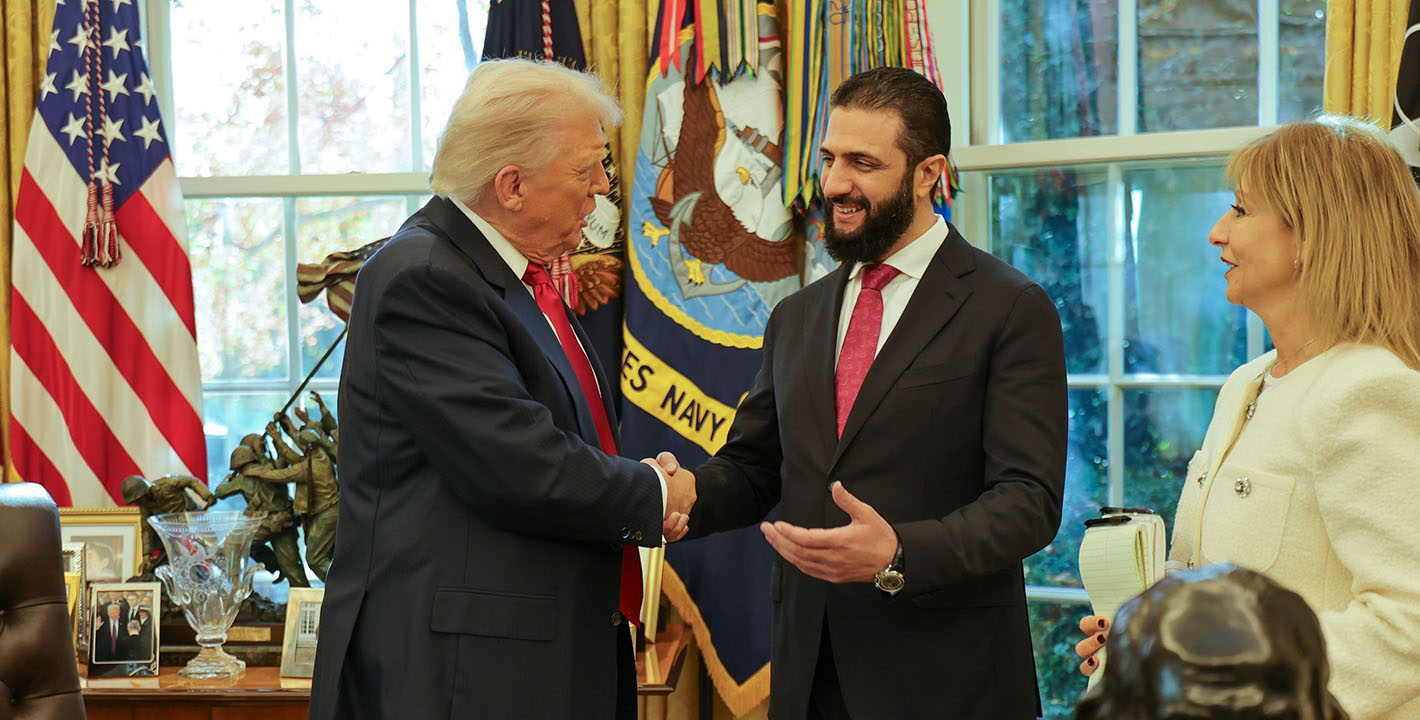
Any move by the United States to make good on Trump’s suggestion that Washington persuade Damascus to confront Hezbollah militarily would have catastrophic consequences.

Kheder Khaddour

As talks begin between Washington and Tehran, Beirut has an opening to advance a regional plan for the party’s disarmament.

Michael Young
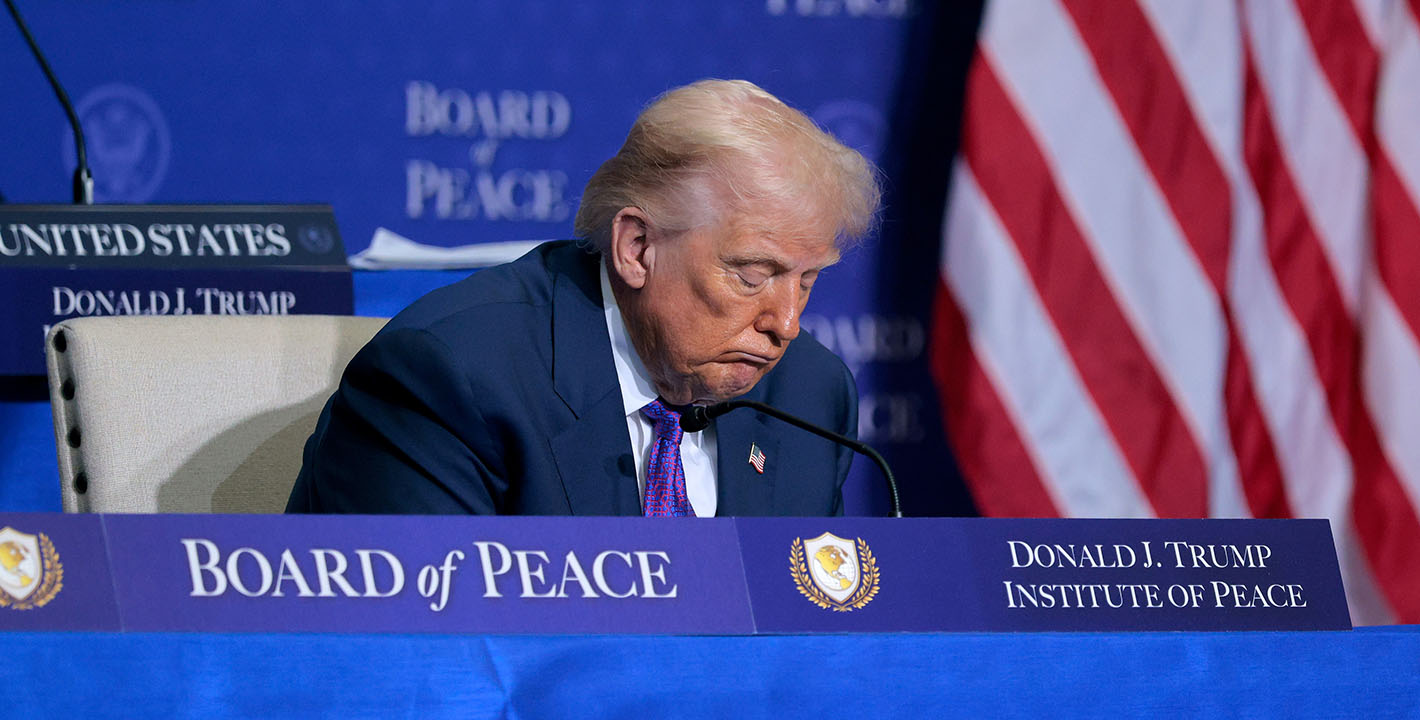
What is behind Marco Rubio’s announcement that the body is now an international nongovernmental organization?
Zaha Hassan