

Commentary
Just look at Iraq in 1991.
Marwan Muasher
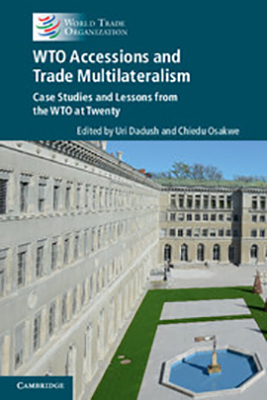
WTO accession negotiations have expanded the reach of the multilateral trading system not only geographically but also conceptually, clarifying disciplines and pointing the way to their further strengthening in future negotiations.
Source: Cambridge University Press
What have WTO accessions contributed to the rules-based multilateral trading system? What demands have been made by original WTO members on acceding governments? How have the acceding governments fared? This volume of essays offers critical readings on how WTO accession negotiations have expanded the reach of the multilateral trading system not only geographically but also conceptually, clarifying disciplines and pointing the way to their further strengthening in future negotiations. Members who have acceded since the WTO was established now account for twenty per cent of total WTO membership. In the age of globalization there is an increased need for a universal system of trade rules. Accession negotiations have been used by governments as an instrument for domestic reforms, and one lesson from the accession process is that there are contexts which lead multilateral trade negotiations to successful outcomes even in the complex and multi-polar twenty-first century economic environment.
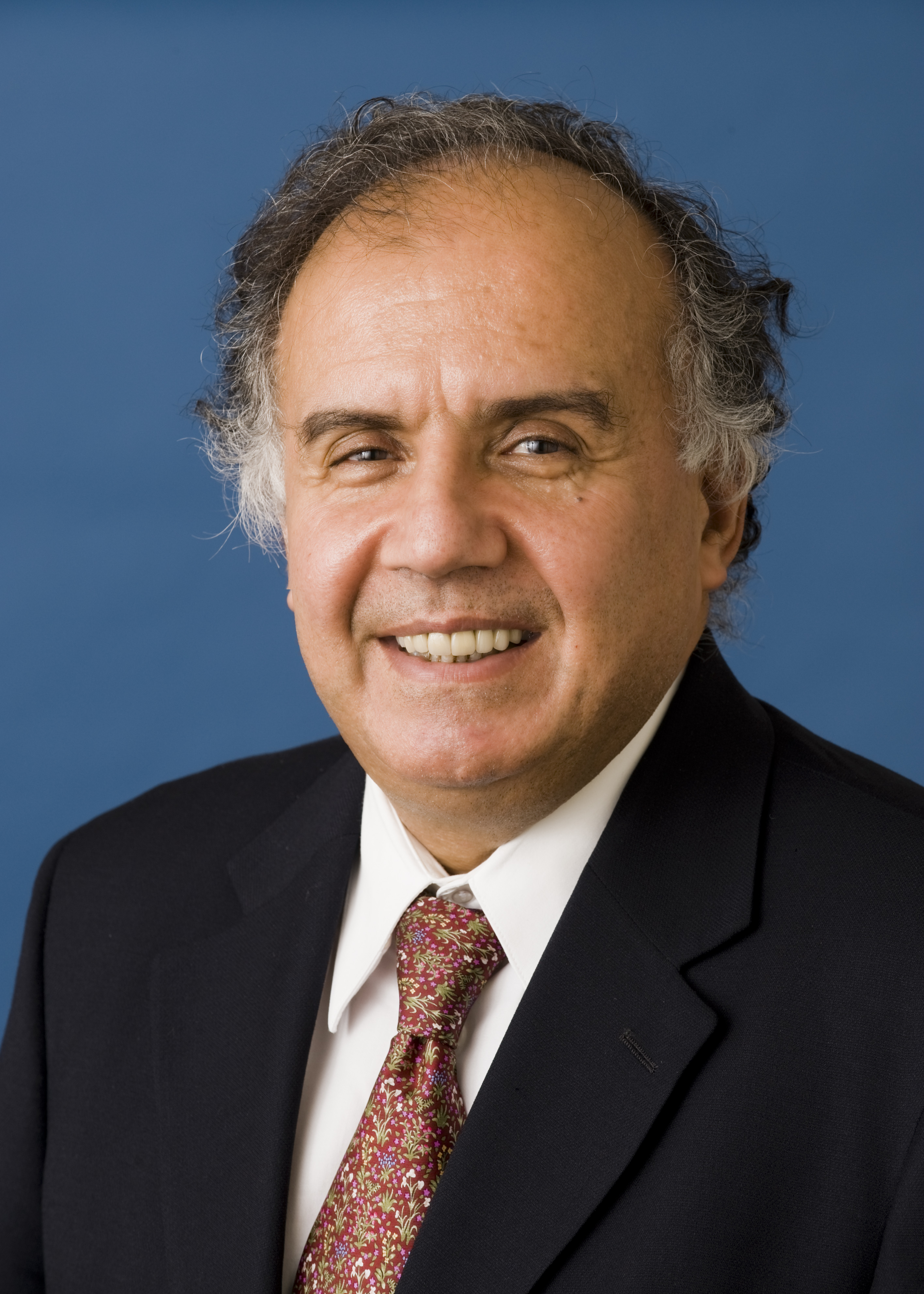
Former Senior Associate, International Economics Program
Dadush was a senior associate at the Carnegie Endowment for International Peace. He focuses on trends in the global economy and is currently tracking developments in the eurozone crisis.
Chiedu Osakwe
Carnegie does not take institutional positions on public policy issues; the views represented herein are those of the author(s) and do not necessarily reflect the views of Carnegie, its staff, or its trustees.

Just look at Iraq in 1991.

Marwan Muasher

A coalition of states is seeking to avert a U.S. attack, and Israel is in the forefront of their mind.

Michael Young

Baku may allow radical nationalists to publicly discuss “reunification” with Azeri Iranians, but the president and key officials prefer not to comment publicly on the protests in Iran.

Bashir Kitachaev

The country’s leadership is increasingly uneasy about multiple challenges from the Levant to the South Caucasus.

Armenak Tokmajyan
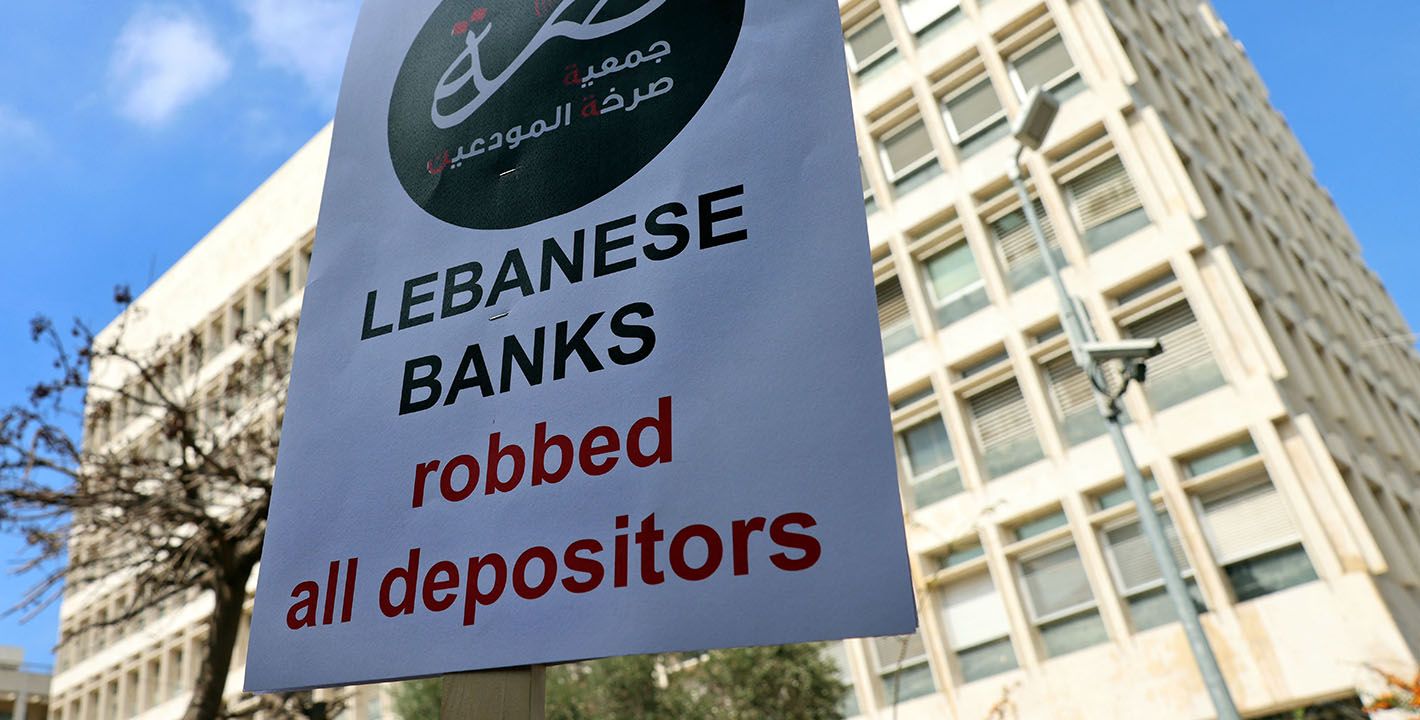
In an interview, Ishac Diwan looks at the merits and flaws in the draft legislation distributing losses from the financial collapse.
Michael Young