

Article
Frederic Wehrey, Charles H. Johnson
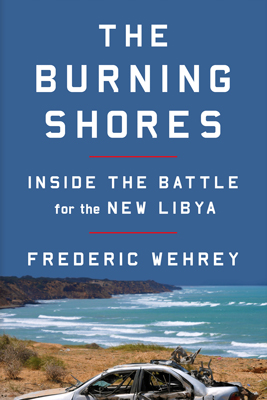
The story of what went wrong in Libya after Qadhafi.
Source: Farrar, Straus and Giroux
A riveting, beautifully crafted account of Libya after Qadhafi.
The death of Colonel Muammar Qadhafi freed Libya from forty-two years of despotic rule, raising hopes for a new era. But in the aftermath, the country descended into bitter rivalries and civil war, paving the way for the Islamic State and a catastrophic migrant crisis.
In a fast-paced narrative that blends frontline reporting, analysis, and history, Frederic Wehrey tells the story of what went wrong. An Arabic-speaking Middle East scholar, Wehrey interviewed the key actors in Libya and paints vivid portraits of lives upended by a country in turmoil: the once-hopeful activists murdered or exiled, revolutionaries transformed into militia bosses or jihadist recruits, an aging general who promises salvation from the chaos in exchange for a return to the old authoritarianism. He traveled where few Westerners have gone, from the shattered city of Benghazi, birthplace of the revolution, to the lawless Sahara, to the coastal stronghold of the Islamic State in Qadhafi’s hometown of Sirte. He chronicles the American and international missteps after the dictator’s death that hastened the country’s unraveling. Written with bravura, based on daring reportage, and informed by deep knowledge, The Burning Shores is the definitive account of Libya’s fall.
Frederic Wehrey is a senior fellow in the Middle East Program at the Carnegie Endowment for International Peace. He specializes in post-conflict transitions, armed groups, and identity politics, with a focus on Libya, North Africa, and the Gulf.
“An excellent and thought-provoking narrative of what happened in Libya after the fall of Ghadafi in 2011”
—Seth J. Frantzman, The Jerusalem Post
“Frederic Wehrey’s book is a masterpiece: an authoritative history of Libya’s tragic descent into chaos and a riveting narrative. This is an essential story, too often clouded by tribal complexities and the partisan legacy of ‘Benghazi,’ and Wehrey is the ideal person to tell it. His deep knowledge of the country and of the American role there—political and military—shines through on every page.”
—Robert F. Worth, contributing writer, New York Times magazine, and author of A Rage for Order: The Middle East in Turmoil, from Tahrir Square to ISIS
“[The Burning Shores] should be read and appreciated as the essential text on the country’s disintegration. Wehrey has repeatedly ventured to a place largely ignored by the Western press, often considered too dangerous.”
—Dexter Filkins, New York Times Book Review
“A deeply informed and reported account of the complex struggles for political control that followed the overthrow of Muammar Qaddafi in 2011...Few writers I’ve encountered on this often bafflingly opaque scene succeed in bringing it so lucidly to life.”
— Matt Seaton, New York Review of Books Daily
“Impartial and engrossing, this is one of the few accessible introductions to the contours of a conflict that the West has chosen almost entirely to ignore.”
—Publishers Weekly
“[The Burning Shores] is an essential contribution...of excellent literary quality...[it] allows for a deep understanding of the Libyan crisis, its development and its internal as well as external causes.”
— Roberto Aliboni, International Spectator
“Frederic Wehrey has written an invaluable book on Libya, much of which is based on the time he spent in that country as both a scholar and a US military officer... his work is particularly insightful in considering Libya’s extremely complex and evolving security situation.”
— W. Andrew Terrill, Middle East Journal
“A vividly detailed, elegantly written portrait of Libya in turmoil. A gifted storyteller and accomplished scholar, Frederic Wehrey brings Libya’s tragedy to life—from the otherworldly strangeness of the Qadhafi era to the chaotic hope of the revolution, from the passionate diplomacy of J. Christopher Stevens to the collapse of postrevolutionary order. A wonderfully readable and insightful book.”
—Ambassador William J. Burns, President, Carnegie Endowment for International Peace, and former Deputy Secretary of State
“Libya’s heartbreaking descent into civil war after the uprising against Qadhafi’s tyranny is recounted here with authority, sympathy, and daring. Frederic Wehrey is one of the world’s most knowledgeable Libya watchers; in this book he also proves to be a discerning analyst and a deft story-teller, examining the infinite complexity of Libyan politics with respect and often affection for the Libyans who struggle to make sense of their country. If you read only one book about this North African tragedy, read The Burning Shores.”
—Lisa Anderson, Dean Emerita, Columbia University School of International and Public Affairs, and author of The State and Social Transformation in Tunisia and Libya, 1830–1980 and other books
“With refreshing clarity of mind, of purpose, and considerable personal courage, Frederic Wehrey has written an excellent narrative history of Libya’s catastrophic undoing. For anyone seeking a nonpartisan, coherent accounting of what has gone wrong in Libya since Qadhafi’s fall from power, including the circumstances of the tragic death of U.S. ambassador J. Christopher Stevens in Benghazi, this is the book to read.”
—Jon Lee Anderson, The New Yorker staff writer, and author of The Fall of Baghdad
“Essential reading . . . a searing tale of violence, chaos and unintended consequences.”
—Kirkus Reviews
“An engaging blend of memoir, investigation, history and reportage.... Especially revealing is a comment from a despairing Libyan intelligence officer, who told the author: ‘We overthrew Qadhafi and now we don’t know what to do.’ Wehrey calls this the ‘clearest explanation yet I’d heard for Libya’s troubles.’ The same can easily be said about his own book.”
—Hussein Ibish, BookForum
“Wehrey provides an insightful explanation of the difficulties facing the United States and other nations to stabilize a ravaged country and build democratic institutions. His analysis is sobering for American policymakers and tragic for Libyans. Highly recommended.”
—Library Journal (Starred Review)
“Cinematically vivid ... a deeply impressive work of first-hand reporting ... Frederic Wehrey’s The Burning Shores is a devastating account.”
—Steve Donoghue, National
“With a lively and humane pen, [Wehrey] sketches the rough and sometimes dizzying path of this wealthy North African state with a small population ... The Burning Shores avoids the abstract jargon of political scientists and the paternalism of sociologists ... Remarkable for its accessibility and clarity.”
—Jalel Harchaoui, Politique étrangère
“The Burning Shores is an exceptional book. While a number of studies of the 17 February revolution have been published in recent years and several of them have described themselves as the ‘definitive’ study of the Libyan revolution, this is the best to appear so far. It is authoritative, informative, accessible and should stand the test of time.”
—Ronald Bruce St John, International Affairs
“A gripping narrative that combines on-the-ground reporting with sober, level-headed analysis... Wehrey tells his tale in a very empathetic way and with an obvious affection for the country and its people. One of the joys of this book is that Libyans are allowed to speak for themselves.”
—Alison Pargeter, Current History
“Wehrey brings the eye of a military professional, a scholar, and a journalist to this vivid depiction of the Libyan conflict.”
—Foreign Affairs
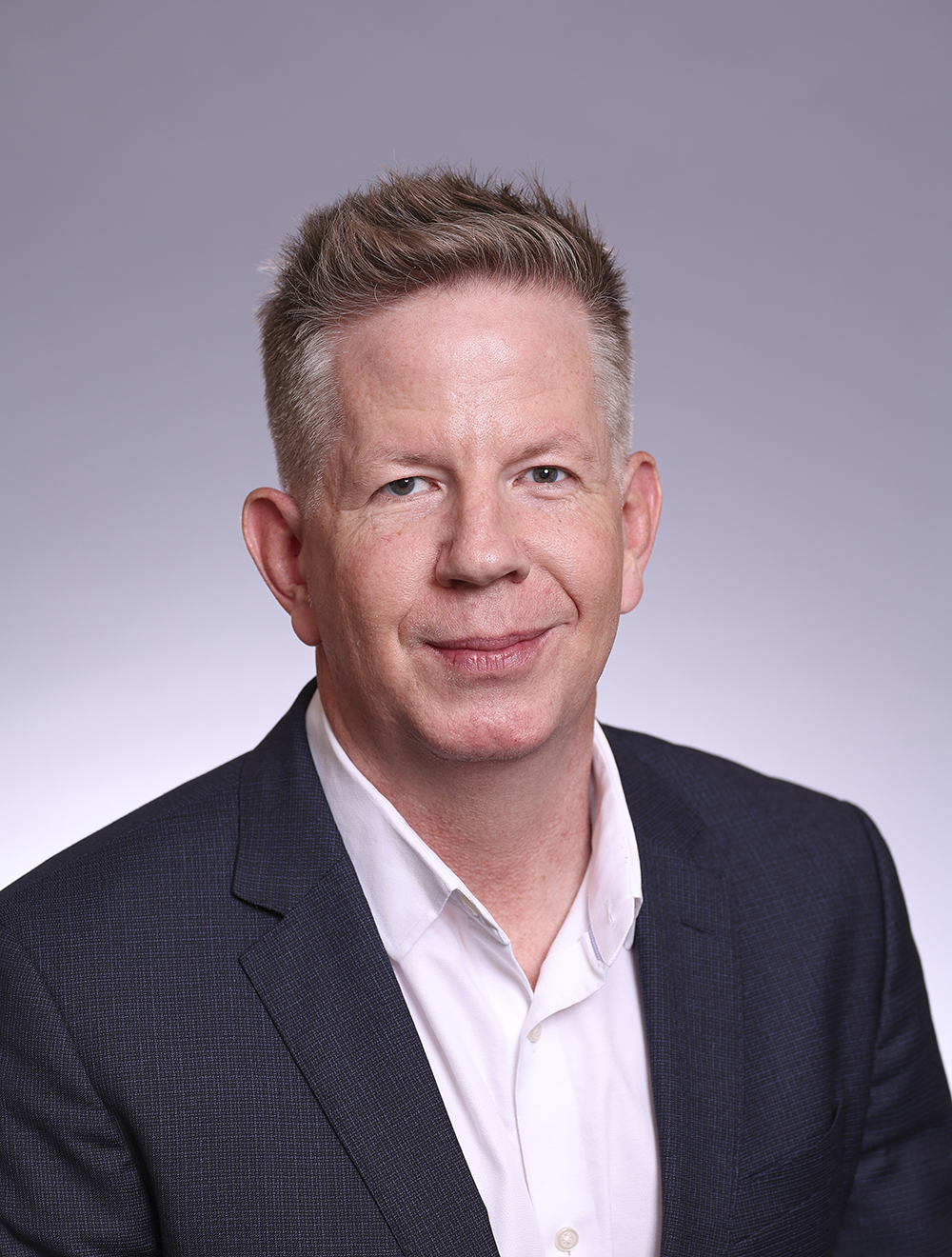
Senior Fellow, Middle East Program
Frederic Wehrey is a senior fellow in the Middle East Program at the Carnegie Endowment for International Peace, where his research focuses on governance, conflict, and security in Libya, North Africa, and the Persian Gulf.
Recent Work
Frederic Wehrey, Charles H. Johnson
Frederic Wehrey, Charles H. Johnson
Carnegie does not take institutional positions on public policy issues; the views represented herein are those of the author(s) and do not necessarily reflect the views of Carnegie, its staff, or its trustees.
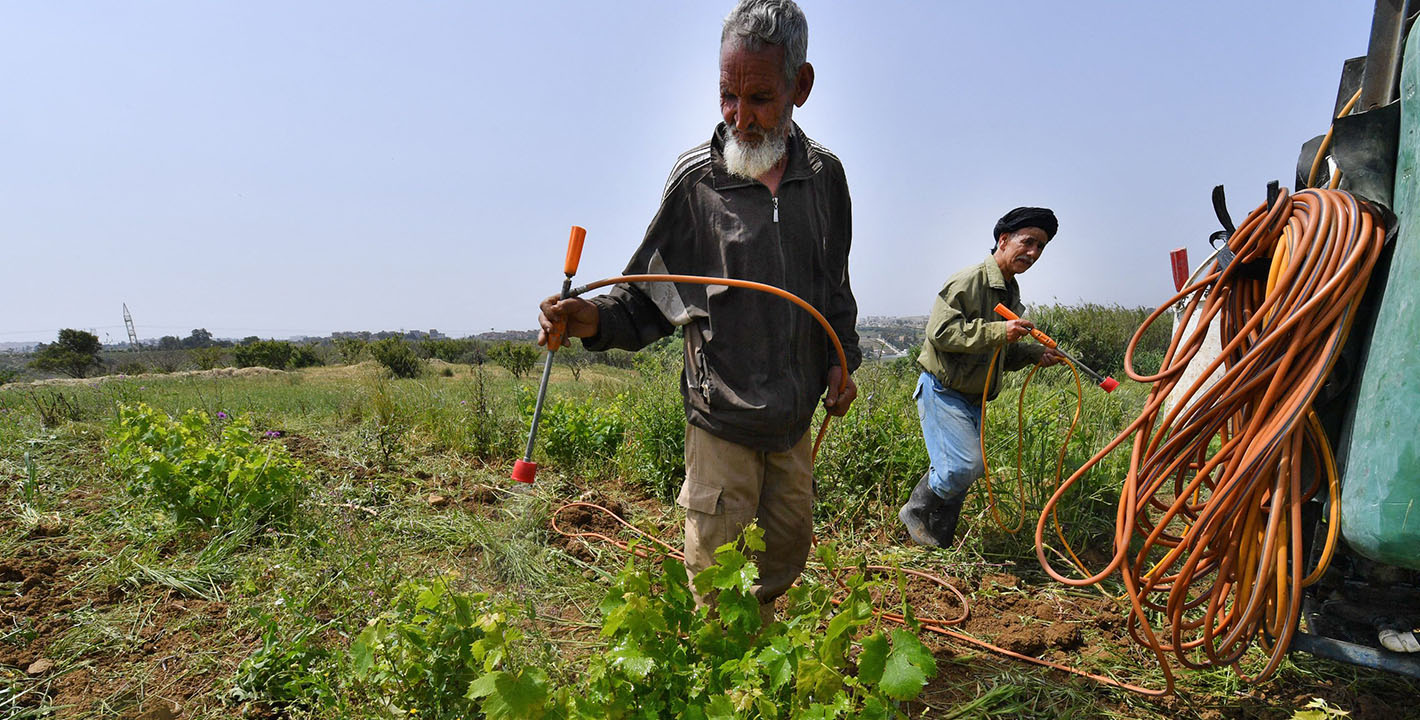
Understanding how farmers in the Oued Sahel-Soummam Valley grapple with climate change is essential for addressing the paradoxes through which adaptation, operating at both individual and institutional levels, deepens the region’s vulnerability and erodes the social fabric and agrarian identity that once defined life.
Ilyssa Yahmi

Just look at Iraq in 1991.

Marwan Muasher
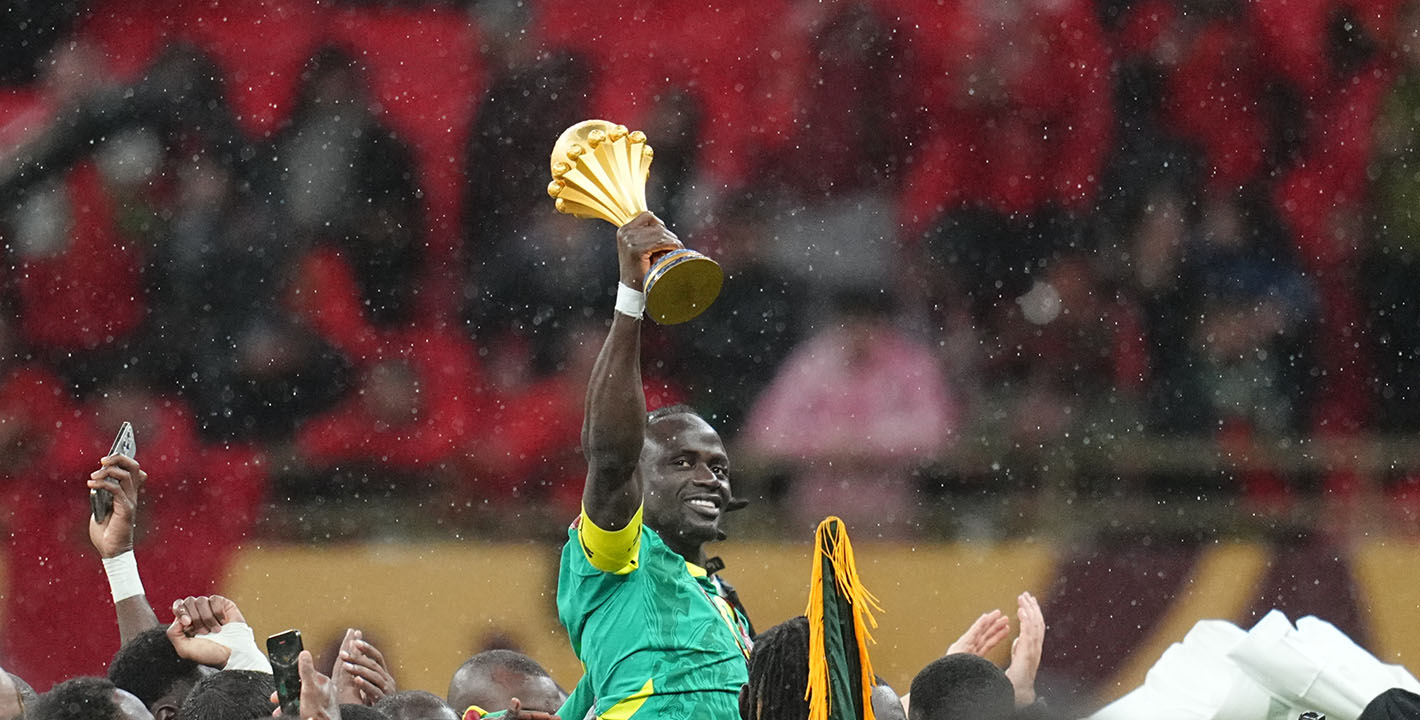
The recent African Cup of Nations tournament in Morocco touched on issues that largely transcended the sport.


Issam Kayssi, Yasmine Zarhloule

Baku may allow radical nationalists to publicly discuss “reunification” with Azeri Iranians, but the president and key officials prefer not to comment publicly on the protests in Iran.

Bashir Kitachaev
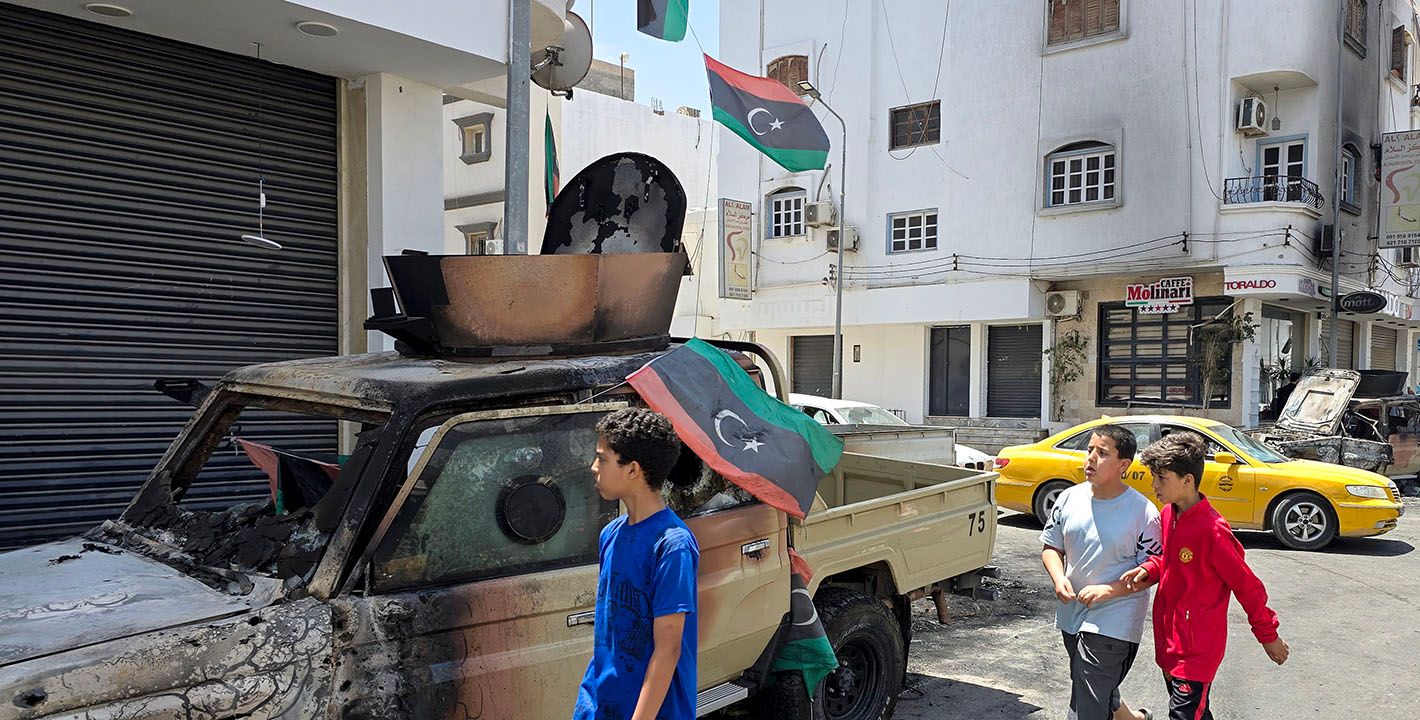
The UN Support Mission in the country should reassess its approach so that consensus between the warring parties becomes the eventual goal, rather than a procedural matter that dogs the negotiating process at every turn.
Soraya Rahem