

Commentary
As talks begin between Washington and Tehran, Beirut has an opening to advance a regional plan for the party’s disarmament.
Michael Young
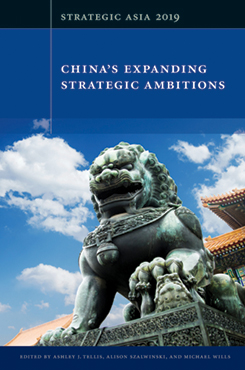
This book describes how China seeks to reshape the international system to serve its strategic aims.
Source: National Bureau of Asian Research
Co-edited and introduced by Ashley J. Tellis, Strategic Asia 2019: China’s Expanding Strategic Ambitions, the eighteenth volume in the Strategic Asia series, describes how China seeks to reshape the international system to serve its strategic aims. Each chapter assesses the country’s ambitions in a particular geographic or functional area and presents policy options for the United States and its partners to address the challenges posed by a rising China.
Order this book, or read the introduction by Ashley J. Tellis for free.
Ashley J. Tellis holds the Tata Chair for Strategic Affairs and is a senior fellow at the Carnegie Endowment for International Peace and Research Director of the Strategic Asia Program at the National Bureau of Asian Research (NBR).
Alison Szalwinski is Director of Political and Security Affairs at NBR.
Michael Wills is Executive Vice President at NBR.
Former Senior Fellow
Ashley J. Tellis was a senior fellow at the Carnegie Endowment for International Peace.
Alison Szalwinski
National Bureau of Asian Research
Alison Szalwinski is assistant director for political and security affairs at NBR.
Michael Wills
National Bureau of Asian Research
Michael Wills is senior vice president for strategy and finance at NBR.
Carnegie does not take institutional positions on public policy issues; the views represented herein are those of the author(s) and do not necessarily reflect the views of Carnegie, its staff, or its trustees.
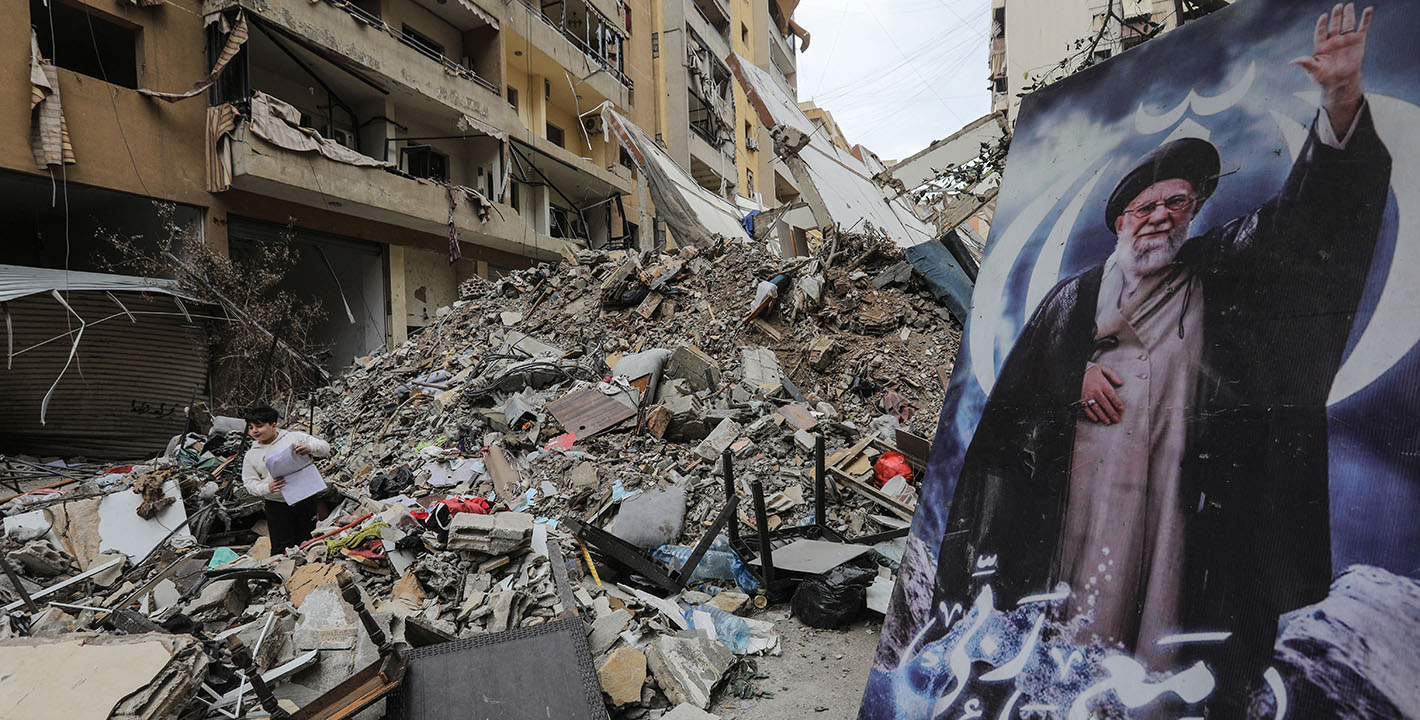
As talks begin between Washington and Tehran, Beirut has an opening to advance a regional plan for the party’s disarmament.

Michael Young

What is behind Marco Rubio’s announcement that the body is now an international nongovernmental organization?
Zaha Hassan

Policy discussion is ignoring that the Palestinian national project is hollowed out and apartheid is a present danger.

Nathan J. Brown
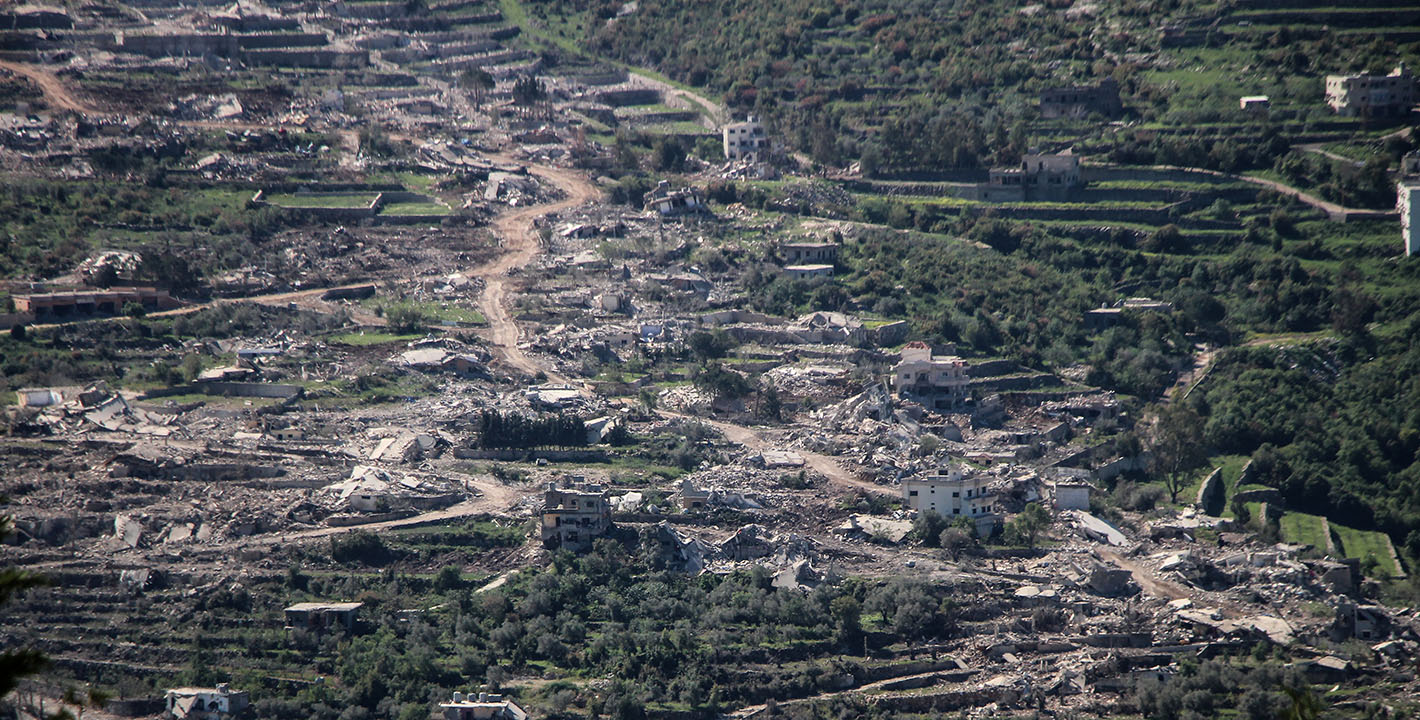
As negotiations with Iran and Lebanon continue, chaos is at the heart of the Netanyahu government’s calculations.
Michael Young

The party’s domestic and regional roles have changed, so Lebanon should devise a disarmament strategy that encompasses this.
Michael Young