

Commentary
Just look at Iraq in 1991.
Marwan Muasher
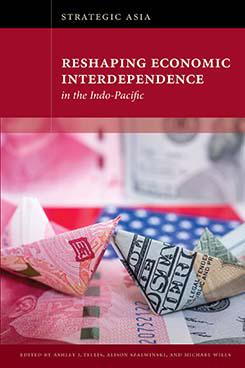
An examination of shifts occurring in the global trading system and their implications for the strategic environment in Asia.
Source: National Bureau of Asian Research
Strategic Asia: Reshaping Economic Interdependence in the Indo-Pacific examines shifts occurring in the global trading system and their implications for the strategic environment in Asia. Each chapter explores developments in goods, services, and finances, assesses the extent to which key countries and regions are decoupling from China, and evaluates the consequences for regional and global politics.
Read the introduction by Ashley J. Tellis for free or order this book.
Ashley J. Tellis holds the Tata Chair for Strategic Affairs and is a senior fellow at the Carnegie Endowment for International Peace and Research Director of the Strategic Asia Program at the National Bureau of Asian Research (NBR).
Alison Szalwinski is vice president of research at NBR.
Michael Wills is executive vice president at NBR.
Former Senior Fellow
Ashley J. Tellis was a senior fellow at the Carnegie Endowment for International Peace.
Alison Szalwinski
National Bureau of Asian Research
Alison Szalwinski is assistant director for political and security affairs at NBR.
Michael Wills
National Bureau of Asian Research
Michael Wills is senior vice president for strategy and finance at NBR.
Carnegie does not take institutional positions on public policy issues; the views represented herein are those of the author(s) and do not necessarily reflect the views of Carnegie, its staff, or its trustees.

Just look at Iraq in 1991.

Marwan Muasher

A coalition of states is seeking to avert a U.S. attack, and Israel is in the forefront of their mind.

Michael Young

Baku may allow radical nationalists to publicly discuss “reunification” with Azeri Iranians, but the president and key officials prefer not to comment publicly on the protests in Iran.

Bashir Kitachaev

The country’s leadership is increasingly uneasy about multiple challenges from the Levant to the South Caucasus.

Armenak Tokmajyan
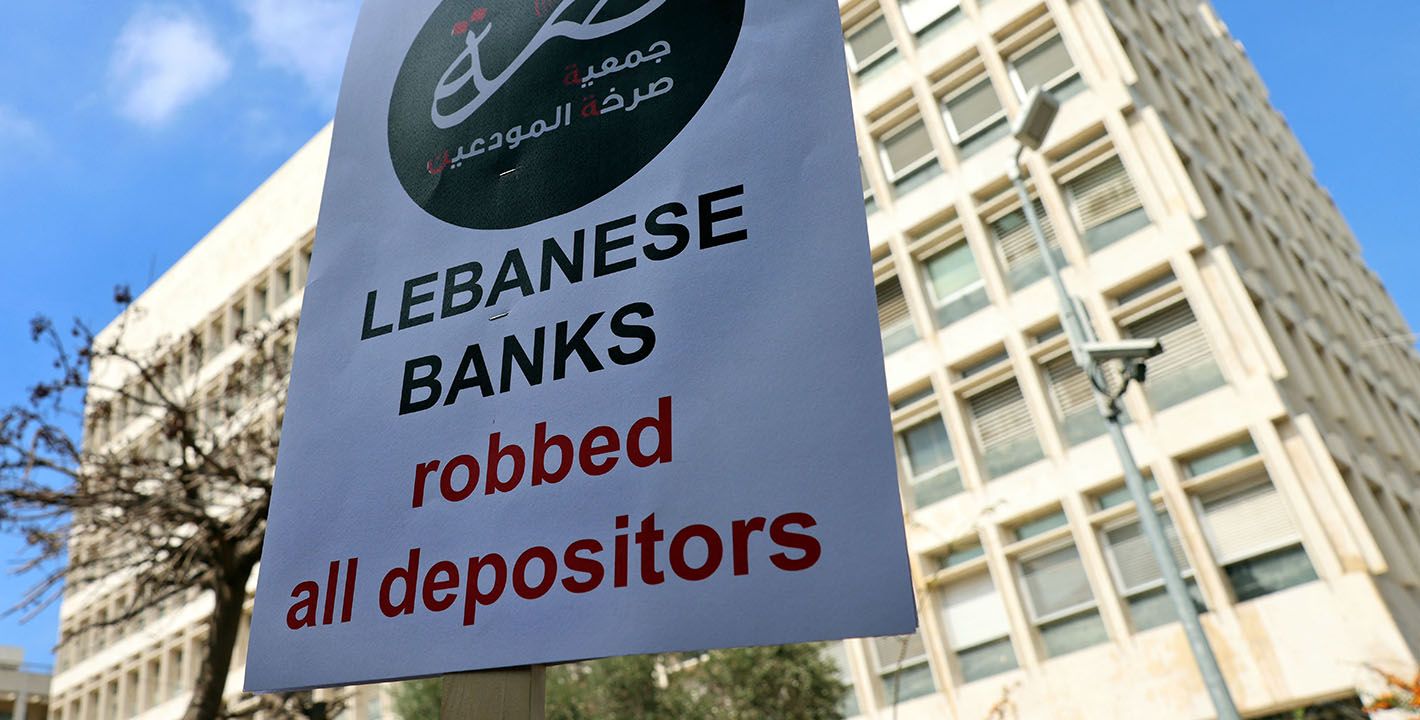
In an interview, Ishac Diwan looks at the merits and flaws in the draft legislation distributing losses from the financial collapse.
Michael Young