

Commentary
Just look at Iraq in 1991.
Marwan Muasher

For practitioners of subnational diplomacy, 2025 has required quick adaptation and evolution to tectonic shifts.
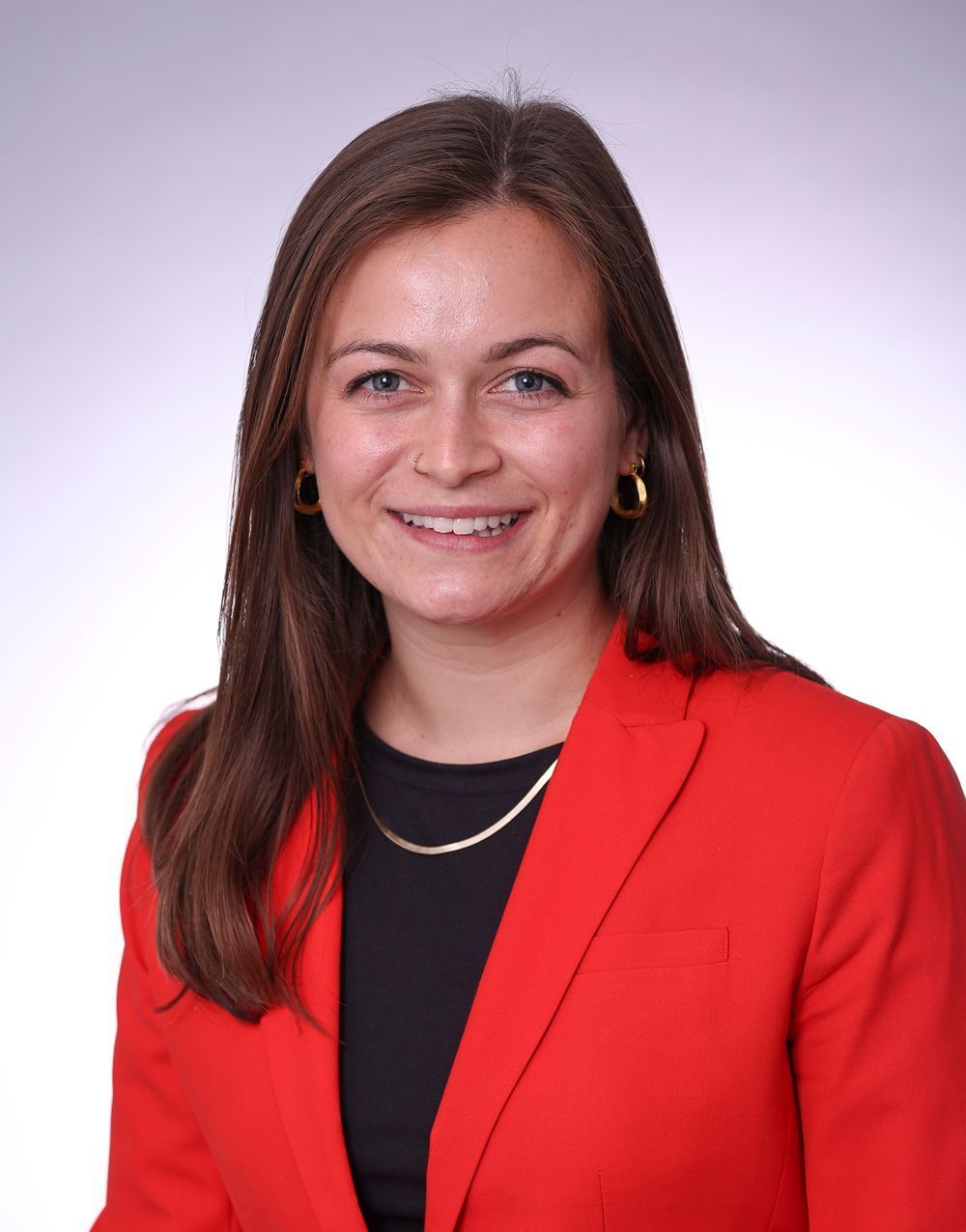
Program Manager, Carnegie California
Marissa Jordan is the program manager of Carnegie California at the Carnegie Endowment for International Peace. She has a master’s degree in conflict analysis and resolution from the Jimmy and Rosalynn Carter School for Peace and Conflict Resolution at George Mason University. Her previous research has focused on how anti–human trafficking service providers understand climate change’s role in driving human trafficking in their particular regions.

Founding Director, Carnegie California
Ian Klaus is the founding director of Carnegie California. He is a leading scholar on the nexus of urbanization, geopolitics, and global challenges, with extensive experience as a practitioner of subnational diplomacy.
Carnegie does not take institutional positions on public policy issues; the views represented herein are those of the author(s) and do not necessarily reflect the views of Carnegie, its staff, or its trustees.

Just look at Iraq in 1991.

Marwan Muasher

A coalition of states is seeking to avert a U.S. attack, and Israel is in the forefront of their mind.

Michael Young

Baku may allow radical nationalists to publicly discuss “reunification” with Azeri Iranians, but the president and key officials prefer not to comment publicly on the protests in Iran.

Bashir Kitachaev
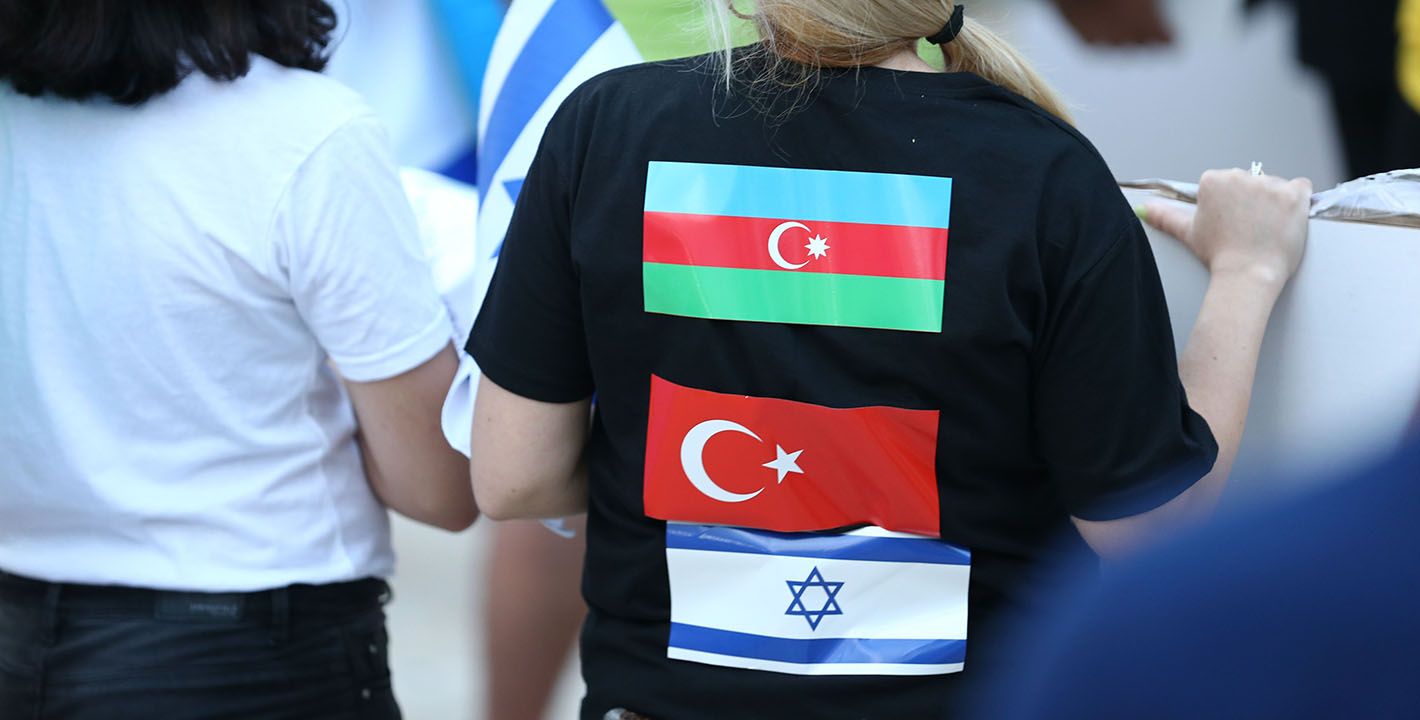
The country’s leadership is increasingly uneasy about multiple challenges from the Levant to the South Caucasus.

Armenak Tokmajyan
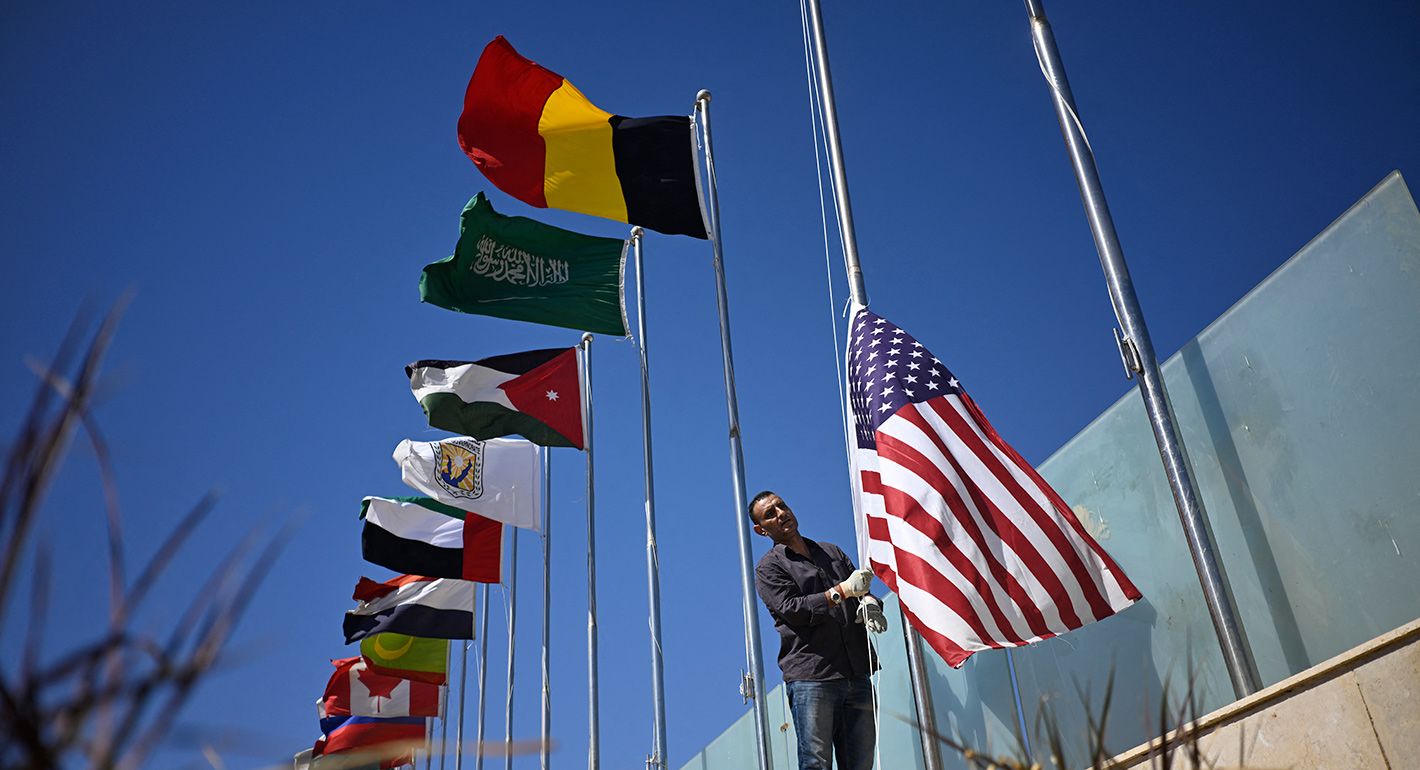
The countries of the region have engaged in sustained competition that has tested their capacities and limitations, while resisting domination by rivals. Can a more stable order emerge from this maelstrom, and what would it require?

Hamza Meddeb, Mohamed Ali Adraoui