

Commentary
Andrey Pertsev
{
  "authors": [
    "Andrey Pertsev"
  ],
  "type": "commentary",
  "blog": "Carnegie Politika",
  "centerAffiliationAll": "dc",
  "centers": [
    "Carnegie Endowment for International Peace",
    "Carnegie Russia Eurasia Center"
  ],
  "collections": [],
  "englishNewsletterAll": "ctw",
  "nonEnglishNewsletterAll": "",
  "primaryCenter": "Carnegie Russia Eurasia Center",
  "programAffiliation": "russia",
  "programs": [
    "Russia and Eurasia"
  ],
  "projects": [],
  "regions": [
    "Russia",
    "Caucasus"
  ],
  "topics": [
    "Political Reform",
    "Economy",
    "Domestic Politics"
  ]
}
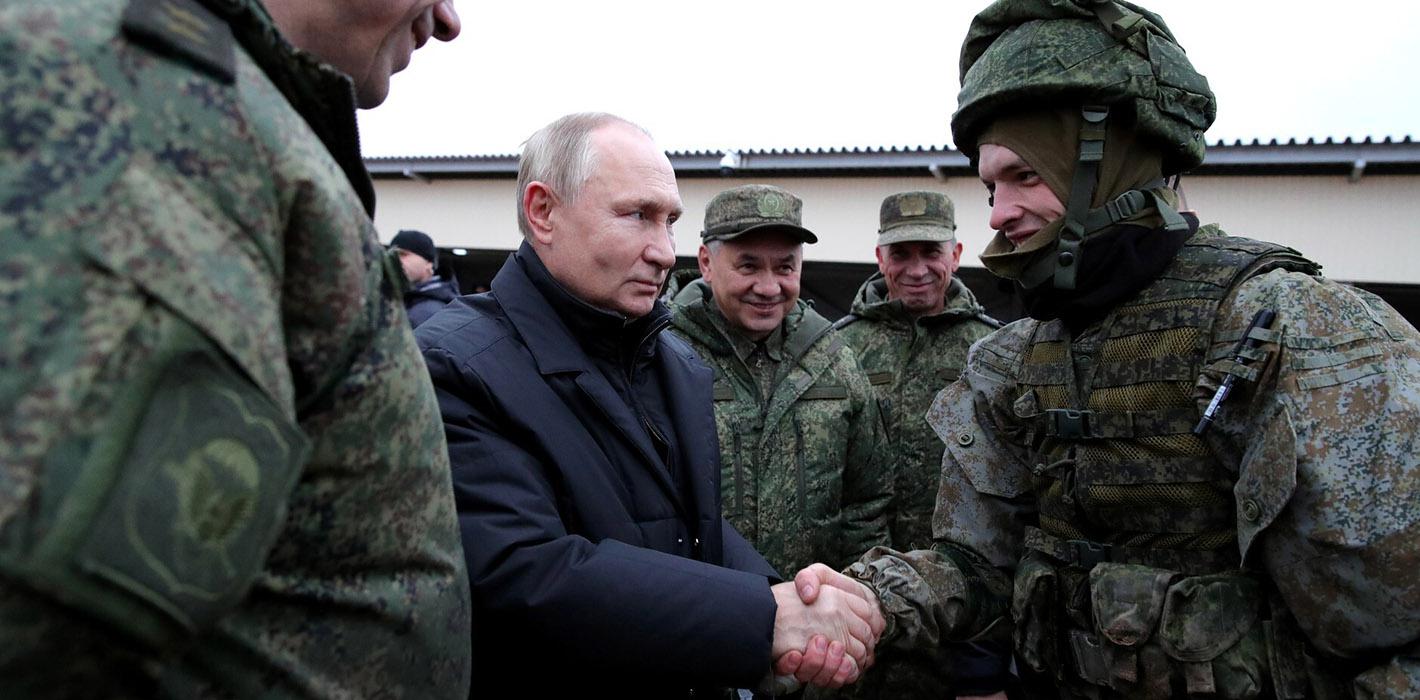
Source: Getty
By creating a legislative fog and handing over power mechanisms from official institutions to interim emergency structures at both federal and regional levels, Putin is in effect acknowledging that the power vertical system he created is extremely inefficient.
Russian President Vladimir Putin put the Russian government system on a semi-martial footing with a series of executive orders on October 19. Those orders established special legal regimes in a number of regions that are relatively close to the front line, and created new coordinating structures charged with war-related issues. Both changes aimed at solving the numerous problems caused by the Russian invasion of Ukraine are in fact more likely to wreak new havoc within the system.
As well as introducing martial law in the Ukrainian territories to which Russia recently laid claim, the president also announced “medium response” and “high alert” levels in Russia’s Central and Southern federal districts. The “high alert” level gives governors new powers, including the right to control entry and exit from their regions. The “medium response” level introduced in eight territories goes even further: it allows the authorities to forcibly remove people from areas deemed dangerous.
On top of that, the executive order allows for the introduction of certain elements of martial law in places where it hasn’t been officially announced. In theory, such measures might include confiscating vehicles and housing in exchange for state compensation, closing borders, wiretapping phones, and ordering private businesses to devote their operations to military needs.
Those decisions will also be made by the governors. The presidential decrees don’t clearly delineate where and how the regimes will work, which creates a legislative fog, enabling the authorities to pick the measures they need as and when they need them from the bundle of tools at their disposal.
The decrees also create two new government bodies tasked with “meeting the needs arising during the special military operation.” The first one, the Coordination Council under the Government of the Russian Federation, will be headed by Prime Minister Mikhail Mishustin and include both civilian government officials and members of the security agencies.
The State Council Commission headed by Moscow Mayor Sergey Sobyanin will help the new council to coordinate its work with the governors, who will in turn create and manage operative headquarters staffed by regional security officials.
Russia introduced a somewhat similar structural arrangement back amid the initial bewilderment at the start of the COVID-19 pandemic. Back then, the president was concerned with remaining popular amid the waves of deaths caused by the new virus. It was clear, however, that lockdown measures would also be extremely unpopular.
The solution settled upon was to shift responsibility to a coordination council headed by Mishustin and a governors’ commission headed by Sobyanin. The governors were given permission to impose any local measures they saw fit—on the condition that the Kremlin would hold them accountable if anything went wrong.
There was no specific legislation on COVID measures. Putin merely signed a decree on “paid vacation days” and left everything else to the governors. The regional authorities, in turn, announced levels of high alert in their regions and imposed restrictions accordingly, although it would have made much more sense to impose a state of emergency, with all the social guarantees that would have entailed.
This legislative fog allowed the president to blur responsibility, avoid spending state funds on helping those in need, and hold accountable those lowest on the chain of command. After all, in the absence of clear rules and instructions, mistakes are inevitable, and there was always someone to take the blame. Russia handled the pandemic poorly, but the president seemed satisfied and clearly made a note of the formula, which involves building superstructures on top of existing ones, delegating responsibility to lower government levels, and creating a legislative fog.
The reasons for dusting off the formula again now are partly the same as the first time around. Putin doesn’t want to be associated with unpopular steps, such as vehicle searches or converting private businesses to military needs in exchange for largely symbolic compensation. Therefore, it falls on regional leaders to implement all of these decisions in coordination with the prime minister and Moscow mayor. They will take all the flak if the situation gets really dire.
The recent military draft has already brought Putin’s ratings down significantly, and Russians are feeling much more anxious. The Kremlin needs to stop any further decline in the president’s popularity, so now Putin can deflect any complaints about the draft onto Mishustin, Sobyanin, and the local governors.
It’s also clear that Putin is frustrated with the Defense Ministry and government officials who have been dealing with army procurements. Now it is civilian bureaucrats—Mishustin, Sobyanin, and the governors—who will coordinate supplying the military.
By creating a legislative fog and handing over power mechanisms from official institutions to interim emergency structures at both federal and regional levels, Putin is in effect acknowledging that the power vertical system he created is extremely inefficient. Hence the president is trying to revamp the system with the help of ad hoc project management offices: councils, commissions, and headquarters.
As a consequence, the already weak coordination between different branches and levels of government will likely become even weaker, prompting a search for a new power hub. During the pandemic, there was a lot of talk about who was senior: Sobyanin or Mishustin. Some believed they were being singled out as potential successors to Putin. Similar rumors are circulating now.
The new government structures tasked with helping the war effort will reduce the power and influence of traditional government bodies. “The coordinating agencies are more important than the subjects they coordinate” is a Soviet maxim that remains true in Russian politics. Putin’s passion for establishing new government entities only rocks the power vertical even further.
The Kremlin has long been trying to free regional security officials from the governors’ grip. Instead, they were directly accountable to the respective federal agencies, which rotated them on a regular basis. Now, regional security officials will be formally accountable to governors within operational headquarters. This might create a problem, because security officials often try to undermine governors and their entourage, hoping for a promotion.
Prime Minister Mishustin will preside over security officials in the Coordinating Council. But are they ready to obey his orders? How well will the council’s decisions be implemented by both civilian government officials and security agencies?
The same questions can be asked about Mayor Sobyanin’s commission. It’s highly doubtful that the new structures will be able to coordinate with each other and work efficiently, given their ill-defined powers and the unclear status of their heads. If the same bureaucrats and security officials couldn’t coordinate well under a relatively clear system of government, how can they be expected to do so with vague interim mechanisms under critical conditions?
If a governor or the head of a state-run corporation dislikes an instruction issued by Mishustin’s council, for example, they might try to push the issue through Sobyanin’s commission instead. Or they could try to get to the president through the State Council overseen by First Deputy Chief of Staff Sergei Kiriyenko. One more possibility is the Security Council, another influential superstructure. In the end, Putin risks ending up with a war of councils rather than the sought-after counsel on war, and that will only exacerbate the crisis.

Andrey Pertsev
Andrey Pertsev is a journalist with Meduza website.
Recent Work
Andrey Pertsev
Andrey Pertsev
Carnegie does not take institutional positions on public policy issues; the views represented herein are those of the author(s) and do not necessarily reflect the views of Carnegie, its staff, or its trustees.
Not only does the fighting jeopardize regional security, it undermines Russian attempts to promote alternatives to the Western-dominated world order.
Ruslan Suleymanov
The front-runner to succeed Ilia II, Metropolitan Shio, is prone to harsh anti-Western rhetoric and frequent criticism of “liberal ideologies” that he claims threaten the Georgian state. This raises fears that under his leadership the Georgian Orthodox Church will lose its unifying role and become an instrument of ultraconservative ideology.

Bashir Kitachaev
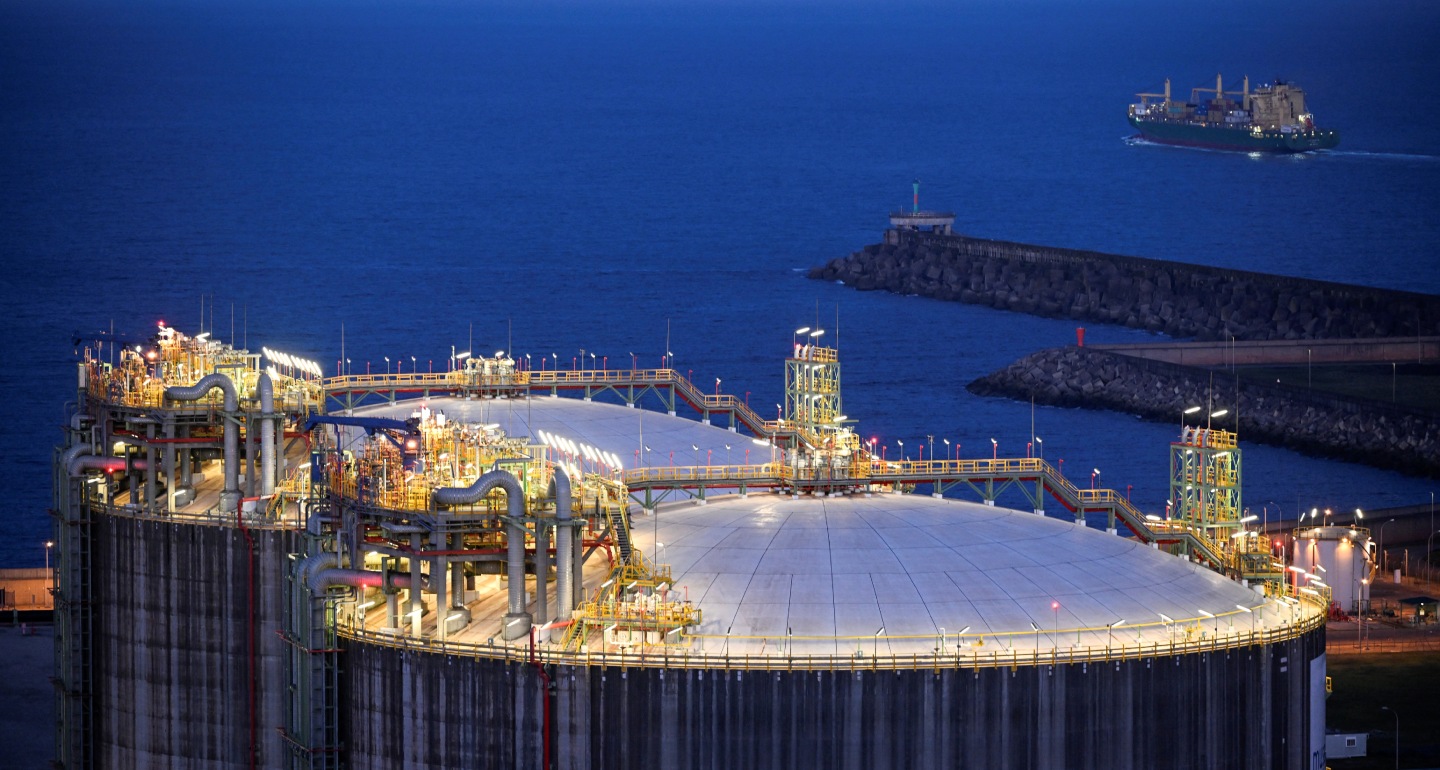
The future trajectory of the U.S.-Iran war remains uncertain, but its impact on global energy trade flows and ties will be far-reaching. Moscow is likely to become a key beneficiary of these changes; the crisis in the Gulf also strengthens Russia’s hand in its relationships with China and India, where advantages might prove more durable.

Sergey Vakulenko
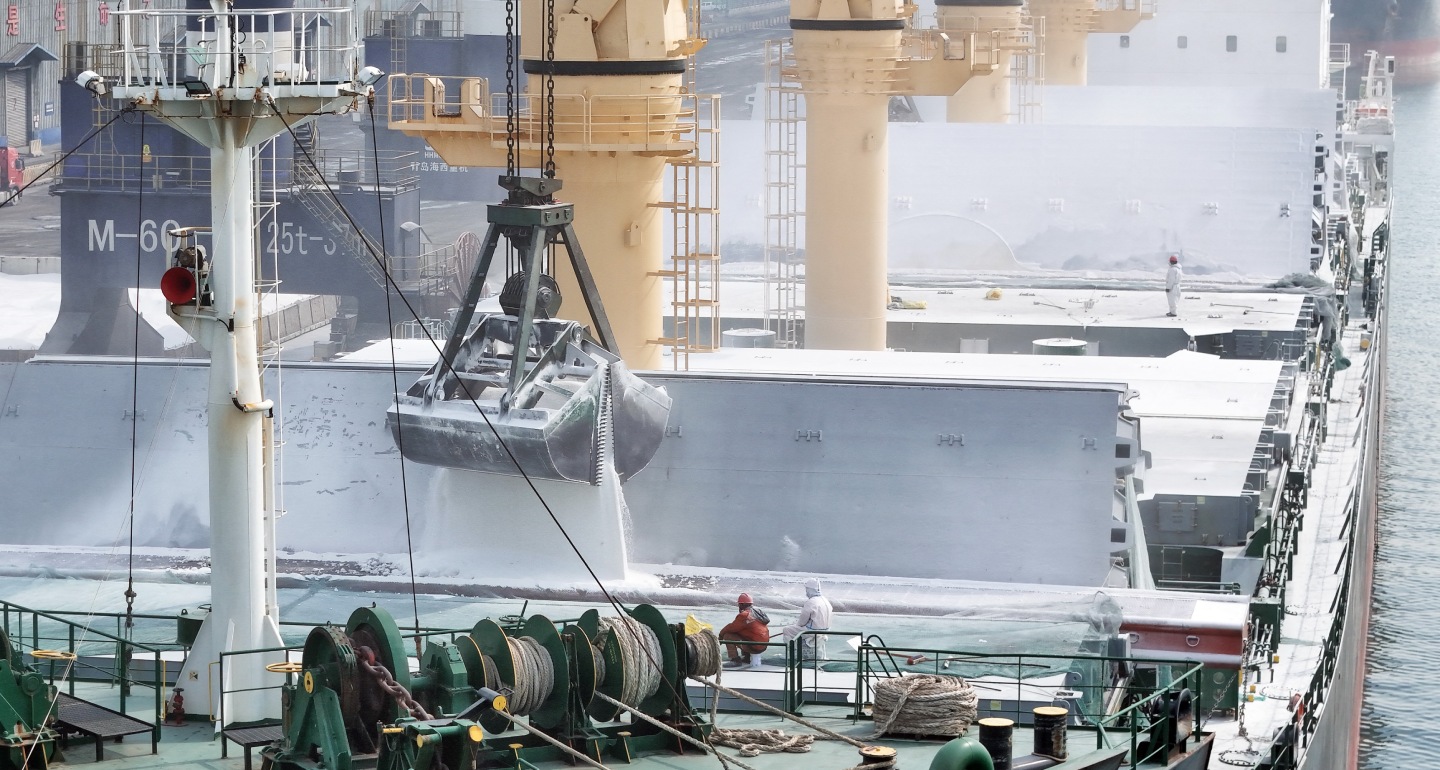
The Kremlin expects to not only profit from rising fertilizer prices but also exact revenge for the collapse of the 2023 grain deal.
Alexandra Prokopenko
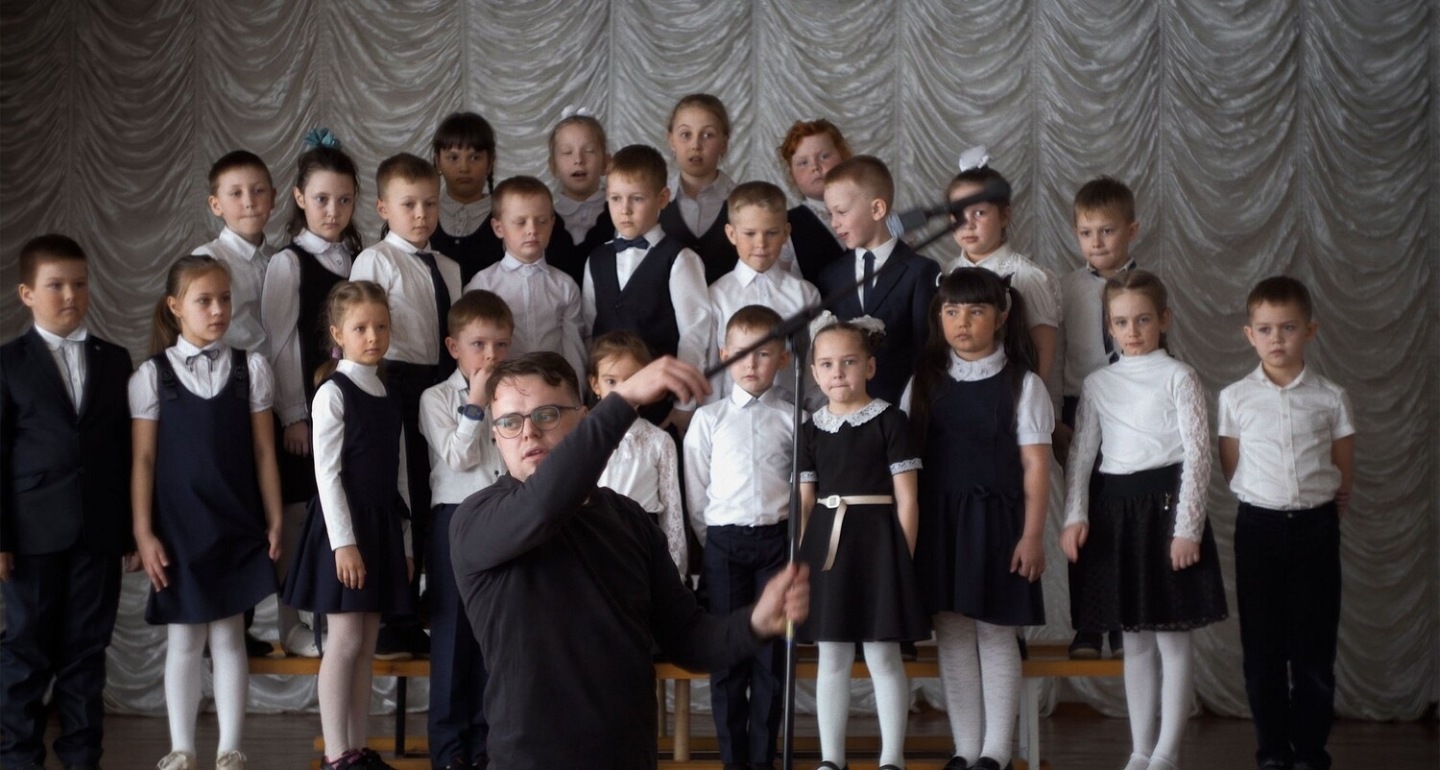
Talankin and Borenstein’s documentary is a unique inside look at a regime that threatens the world and has killed thousands of people in its neighboring country. And many critics and general viewers alike draw parallels between the Putin regime and their own governments.

Ekaterina Barabash