Международное присутствие в зоне армяно-азербайджанского конфликта снова расширяется. Теперь там разместится не только миротворческий контингент России, но и миссия наблюдателей Евросоюза. Правда, европейцев пригласила только Армения, поэтому они смогут работать лишь на армянской стороне границы, без права въезда в Азербайджан, включая подконтрольную армянам часть Карабаха.
Впрочем, даже этого уже немало. После войны 2020 года ситуация на международно признанной границе Армении и Азербайджана тоже заслуживает самого пристального внимания. Там уже не раз случались масштабные обострения с большим количеством жертв — так Баку пытается показать Еревану, что его ждет, если не подписать мирный договор на нужных азербайджанской стороне условиях.
Кто скажет «оккупация»
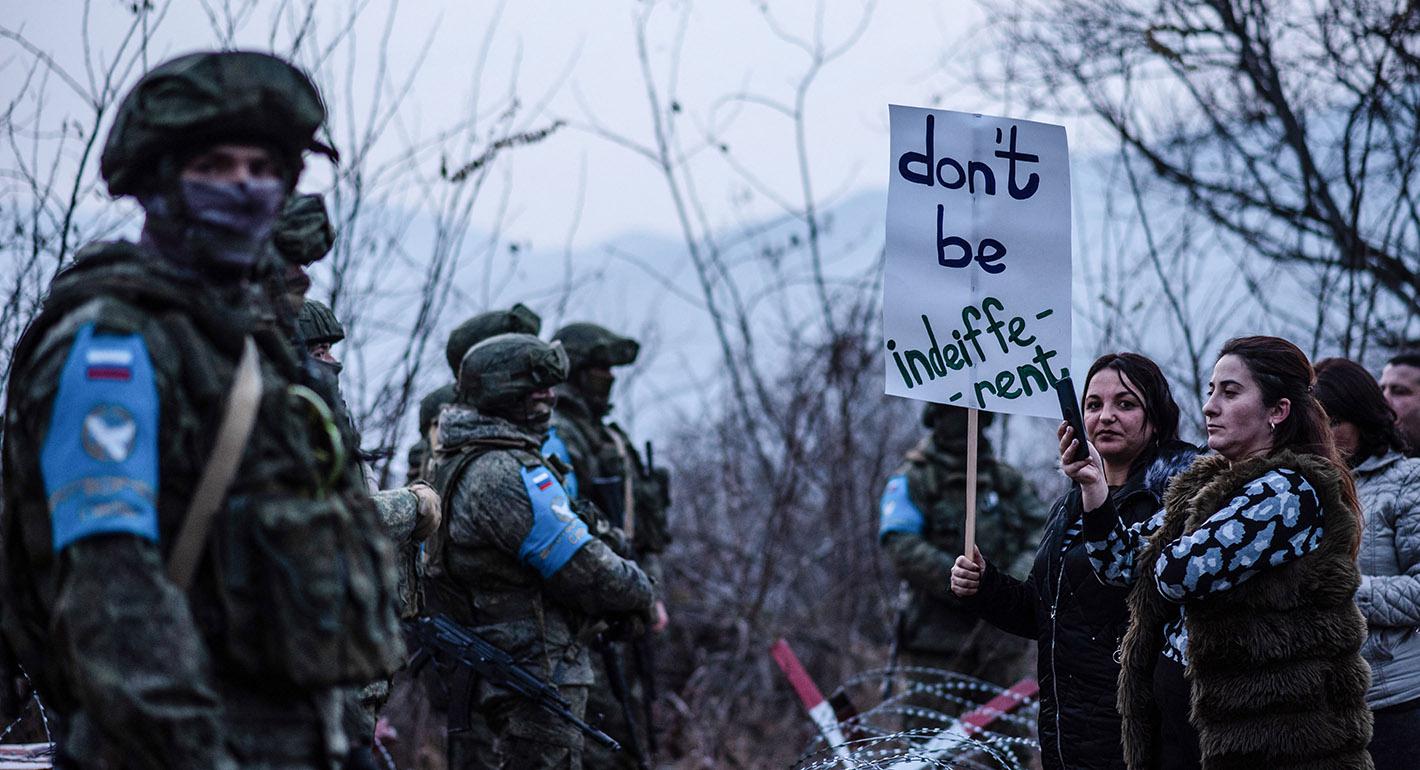
Миссия ЕС, которую должны развернуть в ближайший месяц, не впечатляет ни своим размером (около ста человек, в то время как российских миротворцев в Карабахе — почти две тысячи), ни полномочиями — европейцы приедут без оружия. Зато срок их присутствия выглядит как заявка на что-то серьезное — целых два года, которые наверняка станут судьбоносными для региона. То есть миссия ЕС начнет сворачиваться примерно тогда же, когда будет решаться вопрос о сохранении или уходе из Карабаха российского контингента — в 2025 году.
Логика Еревана, который считает подключение европейцев своей большой дипломатической победой, понятна. Армении нужен кто-нибудь, кто в случае следующего обострения на границе не постесняется публично констатировать: Азербайджан действительно атакует международно признанную армянскую территорию и в ходе боев стремится занять там важные высоты.
Потребность эта возникла из-за того, что Россия и ОДКБ брать на себя эту роль не хотят, в чем армяне уже неоднократно убедились. Например, в мае 2021-го и особенно в сентябре 2022 года, когда азербайджанские войска обстреливали Джермук, курортный город в 13 километрах от границы.
Хотя у России и ОДКБ есть союзнические обязательства перед Арменией, все происходящее на границе с Азербайджаном они интерпретируют подчеркнуто нейтрально. Оккупацию армянской территории они не подтверждают и не отрицают, ссылаясь на то, что граница не делимитирована. В целом же предпочитают использовать такие формулировки, как «пограничный инцидент» — хотя в таких «инцидентах» гибнут десятки людей и страдает гражданская инфраструктура.
При этом провластные эксперты в самом Азербайджане не скрывают истинную природу этих обострений — они нужны Баку для того, чтобы принудить Ереван подписать мирный договор на нужных условиях. Никаких моральных издержек, по мнению азербайджанских властей и общества, в такой тактике нет. Ведь Армения оккупировала у них куда большую территорию, причем не только в Карабахе, а еще в Газахской области — неподалеку от Грузии. Нерешенным остается и вопрос анклавов, существовавших в советское время.
В такой ситуации сотрудничество с Евросоюзом стало для Армении одной из немногих возможностей как-то усилить свои позиции. Первая, почти символическая миссия европейских наблюдателей отправилась в зону конфликта после переговоров в октябре прошлого года в Праге, где встречались лидеры Армении и Азербайджана при посредничестве ЕС, Франции и Турции. Инициатива была чем-то вроде утешительного приза для армян и очень скромной по масштабам — насчитывала лишь 40 человек со сроком работы всего в два месяца.
Такой короткий срок был связан с тем, что тогда и в Ереване, и в Баку говорили о возможности составить текст мирного договора до конца 2022 года, и присутствие европейских наблюдателей должно было придать армянской стороне уверенности. Когда стало ясно, что никакого договора так быстро не получится, а срок пребывания европейских наблюдателей уже истекает (они уехали в декабре прошлого года), в Ереване не без оснований забеспокоились: без европейцев пограничные бои могли опять возобновиться в сентябрьских масштабах, а тогда погибло 197 военнослужащих.
Несмотря на недовольство Азербайджана, Армении удалось убедить Евросоюз отправить еще одну, уже более крупную миссию — из ста наблюдателей и со сроком работы в два года. Азербайджанская блокада Лачинского коридора в Карабах, которая продолжается с конца прошлого года, наверняка послужила для Брюсселя дополнительным аргументом.
Для Армении то, что передышку в два месяца удалось превратить в два года, можно назвать большой удачей. Ведь подгоняет подписание мирного договора именно Баку, а Ереван, как и раньше, старается отложить любые решения, надеясь получить лучшие условия в будущем.
Пока Москва теряет доверие армян, демонстрируя неспособность надавить на Азербайджан, Евросоюзу логично наращивать свое присутствие. Да, наблюдательная миссия из ста человек — это не самый смелый шаг, но и его достаточно, чтобы подогреть прозападные настроения в Армении. Глава европейской дипломатии Жозеп Боррель открыто называет миссию «новым этапом вовлечения ЕС в ситуацию на Южном Кавказе».
Ответ Москвы
Угадать реакцию Москвы на приглашение в Армению европейских наблюдателей несложно. МИД РФ заявил, что не видит в этом «никакой добавленной стоимости», обвинив ЕС в том, что он проводит политику США, способную «лишь привнести в регион геополитическое противостояние и обострить существующие противоречия». Был в заявлении Москвы и легкий намек на угрозу: российские пограничники, размещенные на армянской границе с 1992 года, «будут реагировать на поведение еэсовских наблюдателей с учетом развития ситуации на земле».
В принципе, у российских пограничников было достаточно шансов отреагировать на ситуацию на земле еще во время сентябрьских боев, но они предпочли их не использовать. В Минобороны Армении настаивают, что пункт дислокации россиян был поврежден обстрелом, а СМИ опубликовали вполне убедительные фотографии. Но Погранслужба ФСБ РФ это отрицает.
Армения старается лишний раз не провоцировать Россию и тщательно подчеркивает, что до обращения к ЕС пробовала обращаться в связанные с Москвой структуры, но нигде не встретила понимания. Поэтому приглашение европейских наблюдателей для Еревана — это не геополитический выбор, а вынужденная мера. Слишком устали там слушать упреки от союзника по ОДКБ Лукашенко, что «Ильхам Алиев — абсолютно наш человек» и с ним нужно договариваться как можно скорее.
Последней каплей для Армении, вероятно, стал ноябрьский саммит ОДКБ, когда, по словам главы российского МИД Лаврова, Организация была готова направить своих наблюдателей в приграничные районы, но «армянские коллеги сказали, что им это решение будет нужно, только если в нем будут категорически осуждены действия Азербайджана».
Параметров несостоявшейся миссии ОДКБ мы не знаем, но в Москве всячески пытаются вызвать у Еревана чувство вины и сожаление об упущенных возможностях. Более того — по словам Лаврова, предложение еще в силе, и если армяне захотят, правильные наблюдатели приедут «в течение одного-двух дней». Правда, повисает вопрос — смогут ли они работать параллельно с европейцами, или тех в таком случае придется досрочно отправить домой.
Через два года
Евросоюз, как и Москва, не может быть абсолютно объективен, рассуждая о Закавказье. Европейцы все равно будут помнить о том, что газовый и нефтяной рынок Европы после сокращения поставок из России очень нестабилен. И если что, именно Азербайджан может продать столь нужные объемы — причем это вполне может быть даже российский газ, перепроданный Баку, или нефтепродукты из российской нефти, переработанные в Азербайджане (не зря подобную схему вывели из-под санкций).
Тем не менее европейцы могут стать для армян более надежными адвокатами не только из гуманизма и заботы о верховенстве международного права. Миссия открывает для ЕС еще одну возможность потеснить Москву на Южном Кавказе. В конце прошлого года и Запад, и Россия предложили сторонам конфликта свои проекты мирного договора. Армении больше нравился российский, где вопрос Карабаха откладывался в долгий ящик, Азербайджану — западный. Если же европейцы действительно обеспечат Армении относительный покой, а в случае его нарушения — прямо заявят, что это вина Баку, никто уже не сможет сказать, что Еревану следует опираться лишь на Россию.
Пока в Баку бравируют тем, что у них нет обязательств как-то реагировать на работу европейской миссии. Однако иметь дело с результатами ее работы им все равно придется — ведь они лягут на стол Шарлю Мишелю, который занимается армяно-азербайджанским вопросом от лица ЕС. И в разговоре с Брюсселем вряд ли сработает тот же аргумент, что Баку использует для внутренней аудитории: мы можем сколь угодно глубоко заходить на армянскую территорию, потому что они до сих пор не подписали мирный договор и 27 лет оккупировали 20% нашей территории.
Работа над мирным договором и правда замедлилась. Армяне не без оснований полагают, что неразумно предпринимать такое судьбоносное решение, когда весь мир занят Украиной. Вероятность того, что, когда у Запада и России появятся свободные ресурсы, они смогут предложить Закавказью что-то новое, действительно есть.
Два года тут — надежда на то, что окружающий мир станет более предсказуемым. Возможно, в Армении рассчитывают, что интенсивность боевых действий в Украине к тому времени хотя бы снизится, что позволит России и Западу уделять больше времени закавказским делам. Или что в Турции, вне зависимости от победы или поражения Эрдогана на грядущих выборах, завершится период неопределенности.
Конечно, такие надежды трудно назвать продуманной стратегией, но Армения давно научилась не строить далеко идущих планов, скорее — день простоять и ночь продержаться. В ноябре и декабре присутствие всего 40 европейских наблюдателей помогло снизить обстрелы и избежать принуждения к новым уступкам. Есть шанс, что это сработает и теперь.