

Commentary
Tatiana Stanovaya
{
  "authors": [
    "Tatiana Stanovaya"
  ],
  "type": "commentary",
  "blog": "Carnegie Politika",
  "centerAffiliationAll": "dc",
  "centers": [
    "Carnegie Endowment for International Peace",
    "Carnegie Russia Eurasia Center"
  ],
  "collections": [],
  "englishNewsletterAll": "ctw",
  "nonEnglishNewsletterAll": "",
  "primaryCenter": "Carnegie Russia Eurasia Center",
  "programAffiliation": "russia",
  "programs": [
    "Russia and Eurasia"
  ],
  "projects": [],
  "regions": [
    "Russia",
    "Caucasus"
  ],
  "topics": [
    "Foreign Policy",
    "Political Reform",
    "Domestic Politics"
  ]
}
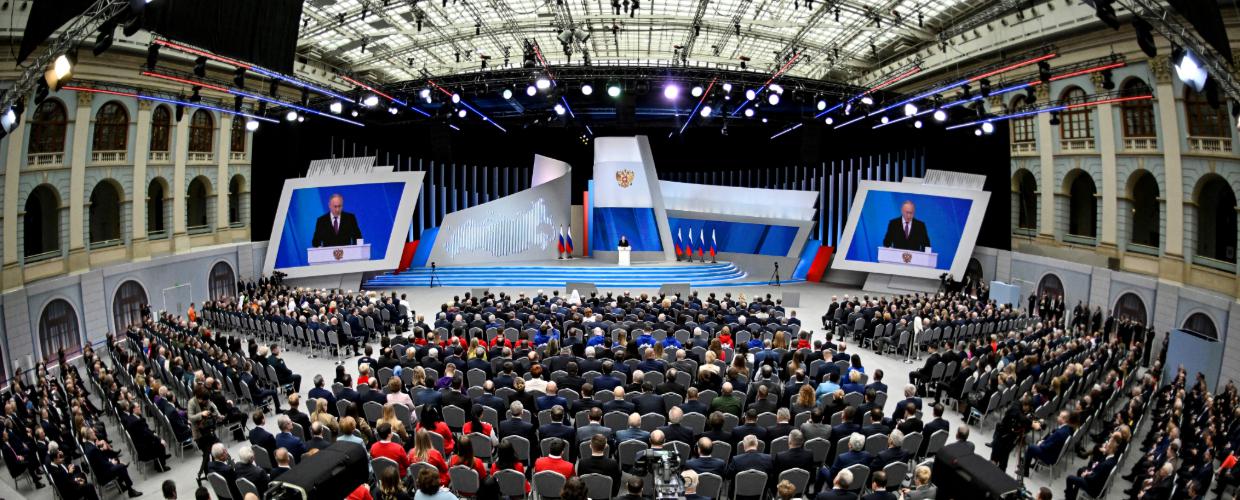
Source: Getty
Putin’s state of the nation address should have been a mere pre-election formality, but it left an extremely chilling impression of an unraveling spiral of escalation.
As Vladimir Putin prepares to run for re-election in less than three weeks’ time for a fifth presidential term, the Russian leader has not troubled himself with writing a manifesto. Instead, he chose to use the platform of his annual state of the nation address on Thursday as a convenient campaigning opportunity.
Unsurprisingly, Putin began with what matters most to him personally: the war in Ukraine. The speech to both chambers of the Russian parliament conveyed a tangible feeling that this is a pivotal moment: in the eyes of the Russian leadership, Russia has passed some kind of geopolitical milestone, establishing its long-term strategic advantage.
In last year’s address, Putin seemed to believe that the outcome of the confrontation had not yet been determined. That speech was peppered with emotional outbursts and notes of bitterness, resentment, and agitation. This time around, Putin behaved as if he were sure that the critical line had already been passed, and his rhetoric was proud and confident. Russia has seized the military initiative and gone on the offensive, he announced.
The horizons of this “holy war” have now expanded. If a year ago, Putin focused on protecting “our land” and relied on defensive and even sacrificial rhetoric, this year he sounded victorious, speaking not on behalf of a geopolitical victim, but as a “formidable and invincible force.” This change can be explained by the Kremlin’s growing faith in Russia’s military advantage in the war with Ukraine, and a sense of the weakness and fragmentation of the West.
Putin also made it clear that his agenda does not stop with Ukraine. He used the address to present Russia as “a stronghold of the traditional values on which human civilization stands,” and as a geopolitical ideologist backed by “the majority of people in the world, including millions in Western countries.”
It would be a grave mistake to underestimate the ambition of these words. This is not empty propaganda, but a reflection of plans for ideological expansion, the export of “Putinism” to Western countries, and active work with potential “friends.” In other words, the geopolitical battlefield for values is once again moving to Western territory, and Putin feels more confident than ever.
At the same time, the Kremlin is transforming the meaning of the war for domestic audiences. When Putin talks about the “legendary Russian Spring” and “Novorossiya”—when he glorifies the military personnel fighting in the war and boasts of their devotion to their homeland, their solidarity, their willingness to work around the clock and give their all—he is setting a political vector of pro-war mobilization.
That is becoming the lodestar for the presidential administration, the police and security services, regional authorities, heads of schools and universities, CEOs of state-owned companies, and senior media management. The president is effectively calling on them to suppress any manifestation of disloyalty, anti-war sentiment, or questioning of the regime’s actions. Putin’s message is quite clear: “all the people are with us.” Everything that does not fit into this picture of “solidarity” is being forcibly criminalized.
For now, people are invited to join the war effort on a voluntary basis: any kind of participation is welcome. Each and every person is being apportioned a share of responsibility for the future “victory,” and the space left for even “neutrality” has disappeared. As compensation for this new burden of responsibility, Putin is offering social payouts, reduced mortgage rates, an increase in the minimum wage, and the chance for those directly involved in the “special military operation” to become a “genuine elite.”
His main pre-election gift, however, is a guarantee of protection from “strategic defeat”: from the West’s dastardly plans to turn Russia into a “dependent, declining, and dying space where they can do as they please.” This particular extract from Putin’s speech is the embodiment of former first deputy chief of staff Vyacheslav Volodin’s famous comment: “no Putin, no Russia.” Today it could be updated to: “without the war, there will be no Russia.”
This message to the West was perhaps the most important element of the speech. Putin was liberal with his threats, noting that “the nuclear forces are in full combat readiness,” the Sarmat strategic missile system has been delivered to troops, and the Kinzhal and Zircon hypersonic missile systems are already in use, among other things. Then the president segued smoothly onto the topic of dialogue with the United States, which, according to him, is only possible on Russia’s terms (and therefore impossible).
The Russian authorities have already made it clear that they are only prepared to enter into a strategic dialogue with Washington on an “inclusive” basis, i.e., as part of the search for a solution on Ukraine. In reality, this means that Russia is demanding that the United States agree to the partition of Ukraine, which is unrealistic in the current circumstances. In his address, Putin called proposals for dialogue “demagoguery,” denied having any plans to deploy nuclear weapons in space as recently reported by Western media, and said such allegations were an attempt by the West to draw Russia into negotiations that would only benefit the United States.
Putin also deemed it necessary to respond to growing fears that Russia intends to attack Europe. Dismissing such fears as “nonsense,” he immediately launched the same allegations at the West, accusing it of planning attacks on Russian territory. Putin also referred to French President Emmanuel Macron’s recent refusal to rule out sending NATO troops to Ukraine, saying that would have “far graver consequences” than previous enemies had faced, since the threat of a nuclear conflict “potentially means the end of civilization.”
Putin’s address should have been a mere pre-election formality, but in the event, it created an extremely chilling impression of an unraveling spiral of escalation. Russia is gradually entering into an all-encompassing political and military mobilization. People are not being sent to the front en masse just yet (and indeed are unlikely to be in the near future), but the frontline context is beginning to permeate all aspects of civilian life, from the imposition of “traditional values” to the cultivation of “heroes of the special military operation” whom Putin is now trying to promote to the position of the “genuine elite.”
“We’re in charge here,” Putin appears to be saying: both to the world, and to those resigned and helpless Russians who oppose the war. Amid the shocking death of the jailed opposition leader Alexei Navalny and the authorities’ cynical actions to obstruct his funeral, despair is growing everywhere: in Ukraine, in Russia among opponents of the regime and the war, and in the West among those who fear a Russian “victory.” This in itself is another element of escalation, since despair can give rise to terrible consequences.

Senior Fellow, Carnegie Russia Eurasia Center
Tatiana Stanovaya is a senior fellow at the Carnegie Russia Eurasia Center.
Recent Work
Tatiana Stanovaya
Tatiana Stanovaya
Carnegie does not take institutional positions on public policy issues; the views represented herein are those of the author(s) and do not necessarily reflect the views of Carnegie, its staff, or its trustees.
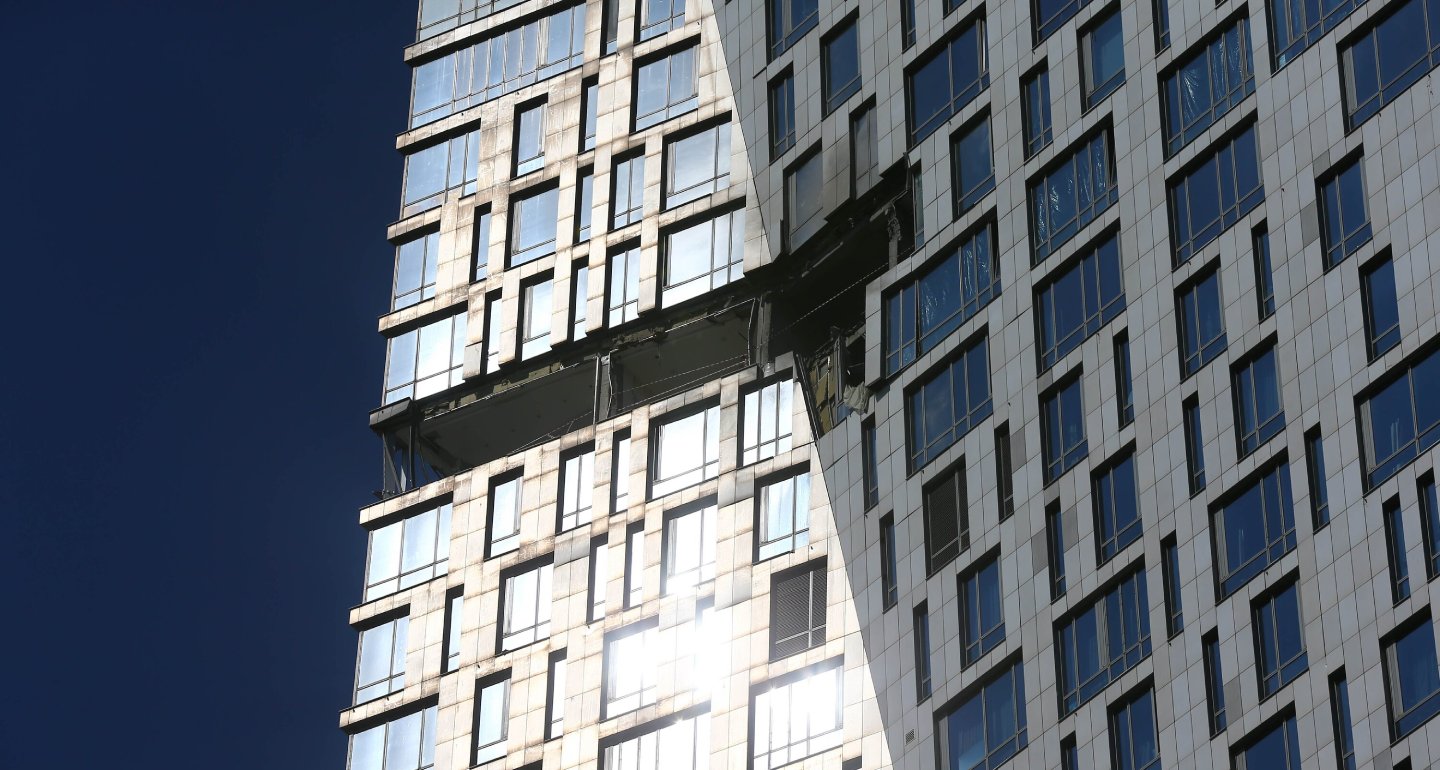
The cost of air defense has become an unregistered tax on revenue for businesses. While military rents are consolidated in the federal budget, the costs of defense are being spread across the balance sheets of companies and regional governments.

Alexandra Prokopenko
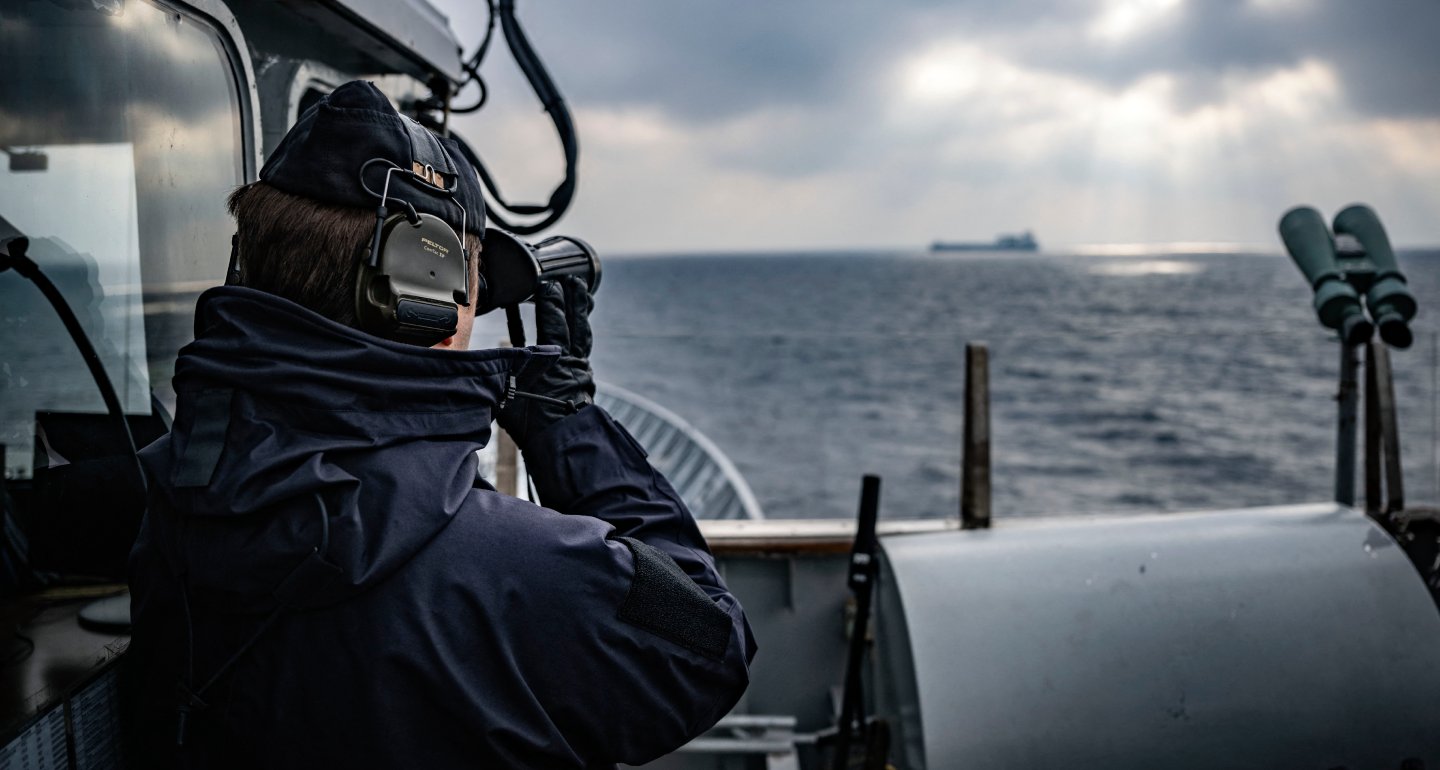
Governments in Estonia, Latvia, and Lithuania want to ensure that a U.S. military withdrawal would not leave them dangerously exposed to a Russian attack.

Sergejs Potapkins
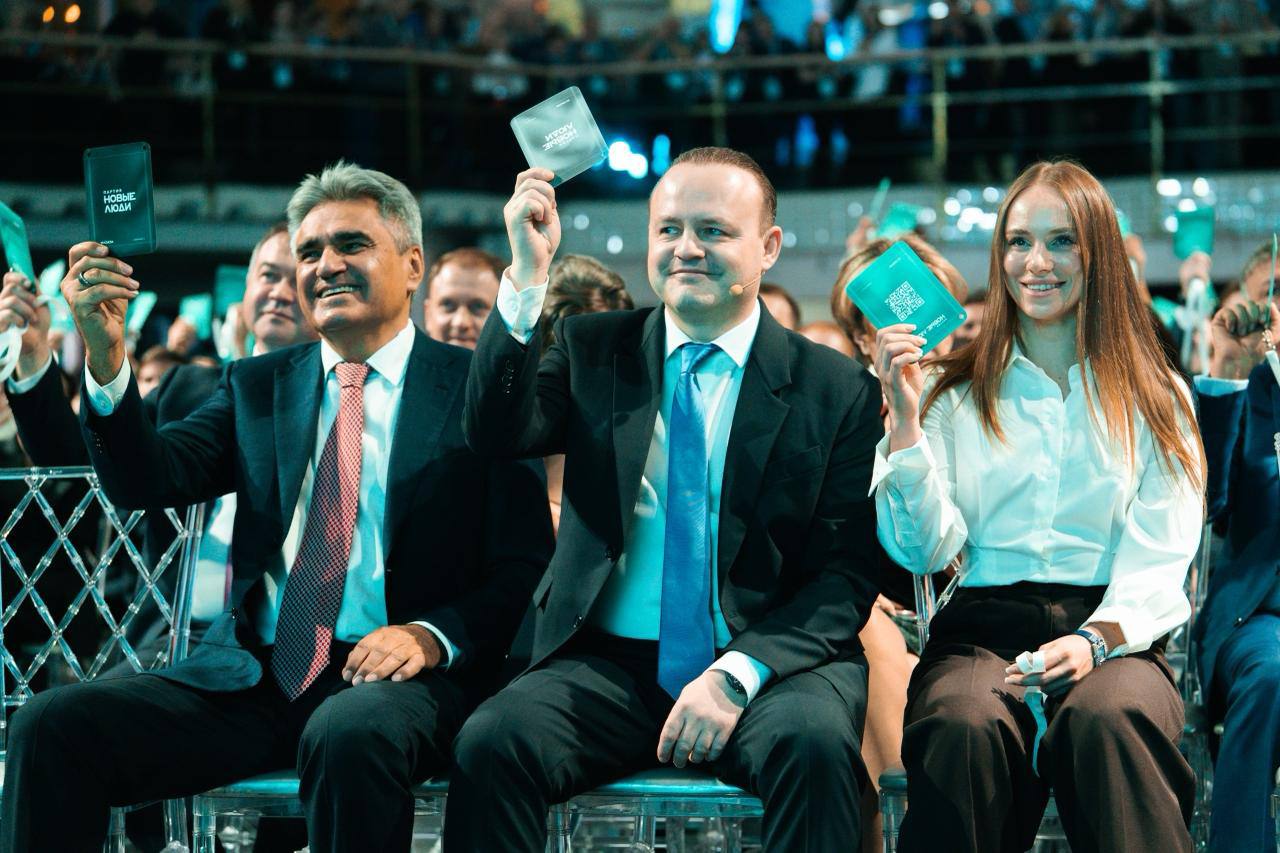
Anger over online restrictions has led to a surge in support for the New People party, which has replaced the Communists as Russia’s second most popular political party.

Andrey Pertsev
The Russian regime is now visibly motivated by fear.

Alexander Baunov
Baku’s backing for Ukraine is less about confronting Russia than about quietly broadening the mix of partners it relies on.

Zaur Shiriyev