

Commentary
Reestablishing a dialogue with Moscow is not a goal in its own right. The goal is to guarantee the independence of Ukraine and the peace and security of Europe.
Arkady Moshes
{
  "authors": [],
  "type": "legacyinthemedia",
  "centerAffiliationAll": "dc",
  "centers": [
    "Carnegie Endowment for International Peace"
  ],
  "collections": [],
  "englishNewsletterAll": "ctw",
  "nonEnglishNewsletterAll": "",
  "primaryCenter": "Carnegie Endowment for International Peace",
  "programAffiliation": "NPP",
  "programs": [
    "Nuclear Policy"
  ],
  "projects": [],
  "regions": [],
  "topics": [
    "Military",
    "Nuclear Policy"
  ]
}
REQUIRED IMAGE
Almost two years after South Asia’s May 1998 nuclear tests, President Clinton is now visiting the region. The Administration established five "benchmarks" after the tests by which to gauge nuclear stability in South Asia. But Washington’s relationships with India and Pakistan suffered in the 1990s, and progress toward these objectives has been disappointing.
Source: Carnegie
This analysis was also published in the Boston Globe on March 23, 2000 ("Nuclear Stalemate in South Asia," by Todd Sechser)
Almost two years after South Asia’s May 1998 nuclear tests, President Clinton is now visiting the region. The Administration established five "benchmarks" after the tests by which to gauge nuclear stability in South Asia. But Washington’s relationships with India and Pakistan suffered in the 1990s, and progress toward these objectives has been disappointing.
1. Export controls. The most positive news from South Asia is that neither India nor Pakistan appears to be directly aiding the proliferation of nuclear weapons and ballistic missiles beyond their borders. Although neither have joined international conventions that would codify this commitment (such as the Missile Technology Control Regime), both have in place strict regulations that limit the sale of sensitive technology. Pakistan’s fragile economy and shortage of hard currency could undermine this restraint.
2. Fissile material. Washington has urged India and Pakistan to cease production of nuclear-weapons usable material and to enter into international negotiations for a formal cut-off treaty, but both countries’ stocks continue to grow. David Albright of the Institute for Science and International Security estimates that India already possesses enough plutonium for up to 90 nuclear weapons, while Pakistan holds sufficient amounts of enriched uranium for up to 43 weapons. Indian Foreign Minister Jaswant Singh says that a moratorium on fissile material production is something India "cannot accept."
3. Dialogue. President Clinton’s last-minute decision to include Pakistan on his itinerary (dismissed by India as a "brief stop-over") reflects his determination to bring India and Pakistan to the negotiating table to resolve South Asia’s lynchpin issue: Kashmir. Discussions in Lahore one year ago yielded a joint declaration of confidence-building measures "aimed at the avoidance of conflict." But last summer’s clashes in Kashmir demonstrated that the divided territory remains a dangerous—and potentially nuclear—flashpoint. Indian officials wince at the very suggestion of international mediation, and President Clinton explicitly refuses to pressure New Delhi otherwise.
4. Nuclear test ban. Until October 1999, India and Pakistan were on track to sign the Comprehensive Nuclear Test Ban Treaty. The US Senate derailed this momentum by refusing to ratify the treaty. Nonetheless, both countries have declared a voluntary moratorium on further testing. India’s Atomic Energy Commission believes that India gained enough scientific data from its 1998 tests to be confident about its deterrent, while Pakistan is unlikely to risk further international sanctions by testing unilaterally.
Even if President Clinton persuades India—and, by consequence, Pakistan—to sign the test ban treaty during his visit, the U.S. failure to ratify it will likely preclude ratification by India and Pakistan as well.
5. Strategic restraint. These failures are worrisome developments, but none are so disturbing as India’s plans to deploy operational nuclear warheads. India and Pakistan currently retain a latent, or "non-weaponized" nuclear capability. But if the draft nuclear doctrine released by India last August becomes official policy, then nuclear deployment is, as Indian Defense Minister George Fernandes has declared, "inevitable." Former Pakistani Foreign Minister S.A. Khan assures us that "if India operationalizes its nuclear weapons, Pakistan will be obliged to follow suit."
Nuclear deployment would significantly accelerate the slow-motion arms race that has been taking place in South Asia for over two decades, and would undermine the region’s fragile stability. Nuclear weapons kept in safe storage cannot be accidentally launched, nor do they terrify neighbors with the possibility of a "bolt from the blue" surprise attack. Keeping South Asia’s nuclear weapons safely off the tips of ballistic missiles is of grave importance.
In short, the U.S. report card in South Asia is dismal. Moreover, President Clinton’s visit is unlikely to achieve major breakthroughs on any of the five "benchmark" issues. Nevertheless, these shortcomings should not obscure the value of re-building political and military ties with India and Pakistan. Reversing the chill in U.S. relations with South Asia will help secure Indian support on economic and strategic issues, as well as Pakistan’s cooperation to combat terrorism and restore democracy. At the same time, Clinton’s visit will help give the U.S. leverage to manage crises on the subcontinent. The Pentagon learned this lesson first-hand during last July’s flare-up in Kashmir, when an absence of military-to-military ties inhibited efforts to send the Commander-in-Chief of the U.S. Central Command to Pakistan to defuse the crisis.
During the 1990s, the U.S. made demands of India and Pakistan without first gaining their confidence. As a result, U.S. non-proliferation goals have been rebuked in South Asia as discriminatory and paternalistic. President Clinton’s visit is a badly-needed step toward building the cooperation and trust necessary to harness the region’s nuclear dangers. This task is a decade overdue.
Todd Sechser is a Junior Fellow at the Carnegie Non-Proliferation Project. He worked at the South Asia regional desk of the Office of the Secretary of Defense during the 1999 Kashmir crisis.
Carnegie does not take institutional positions on public policy issues; the views represented herein are those of the author(s) and do not necessarily reflect the views of Carnegie, its staff, or its trustees.
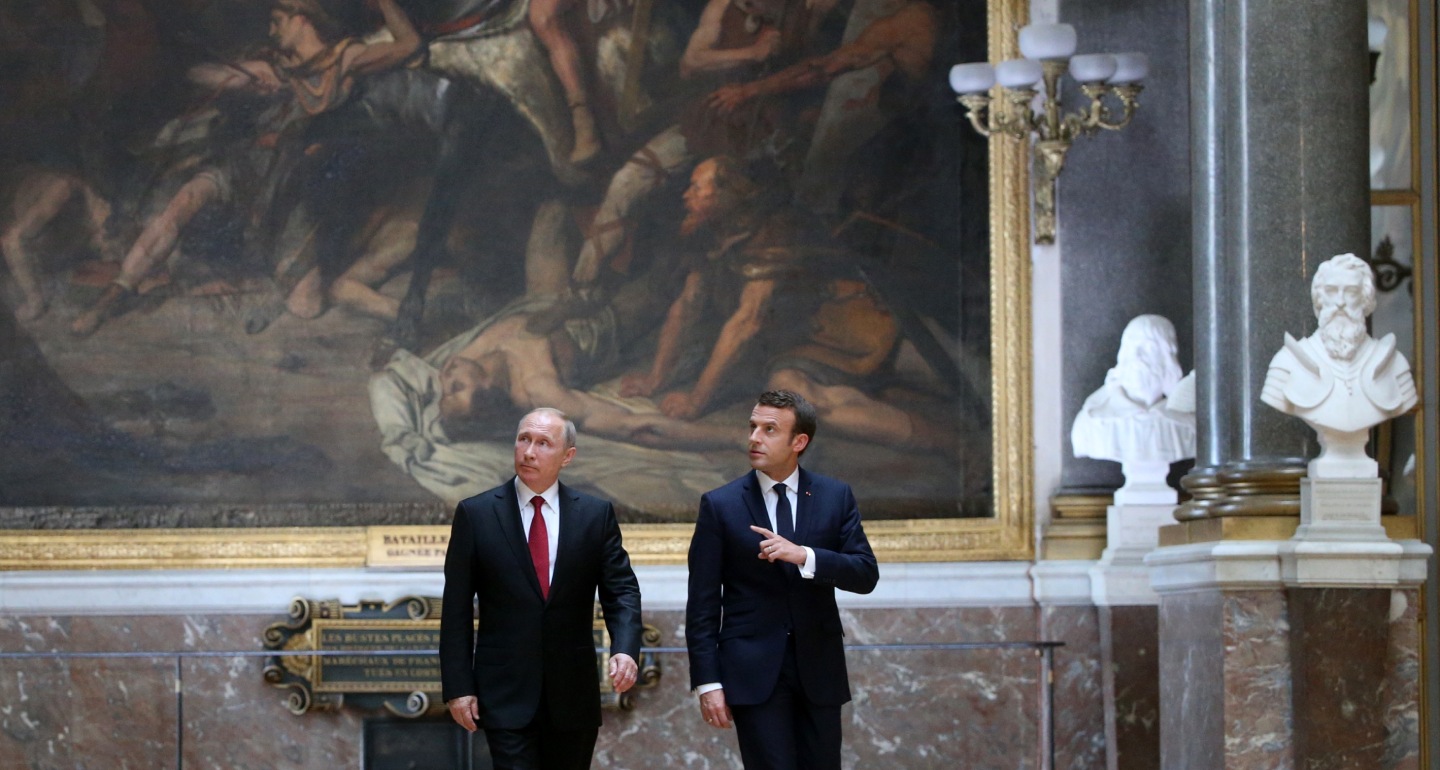
Reestablishing a dialogue with Moscow is not a goal in its own right. The goal is to guarantee the independence of Ukraine and the peace and security of Europe.
Arkady Moshes
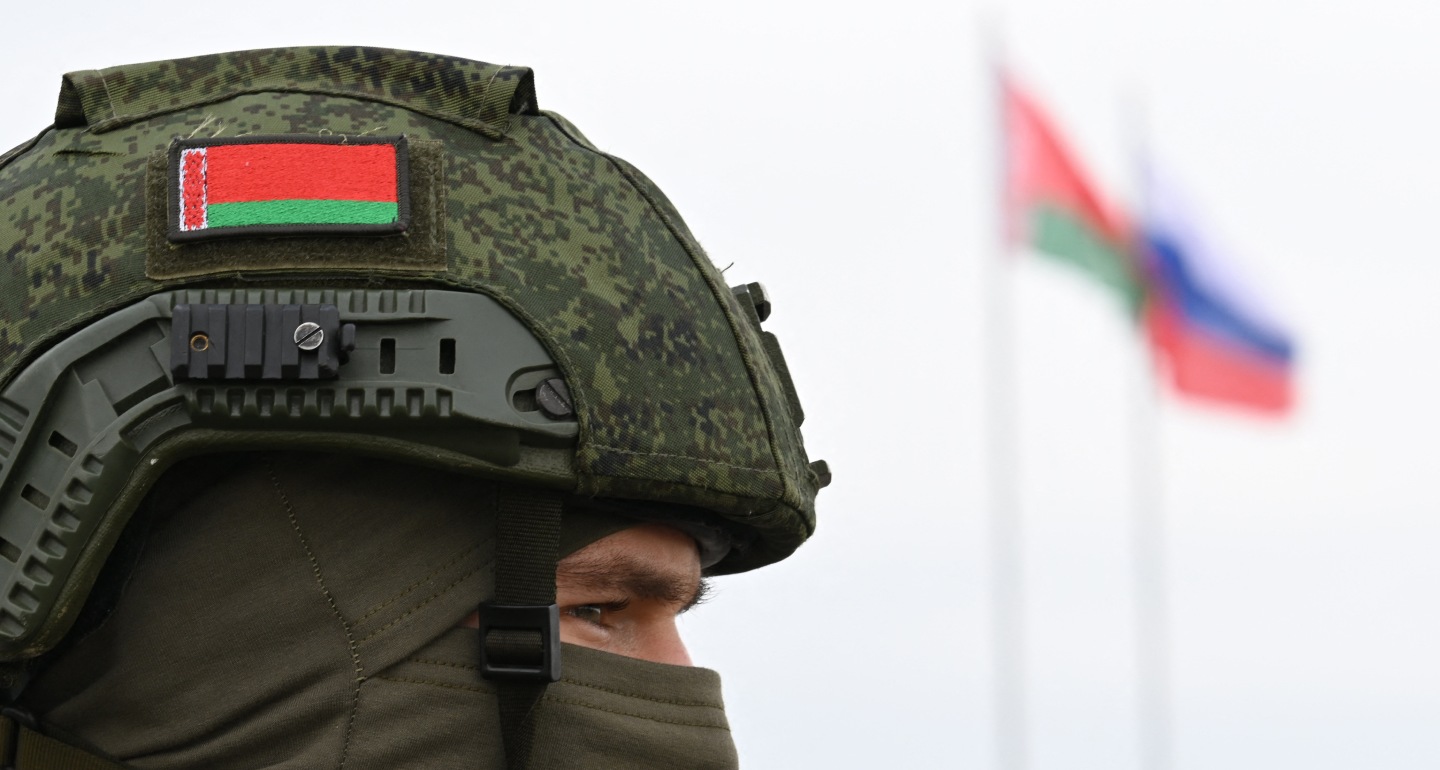
By reminding the world that Lukashenko is a threat to NATO and Ukraine, Kyiv is trying to return the focus to why the Belarusian regime needs to be contained rather than rewarded.

Artyom Shraibman
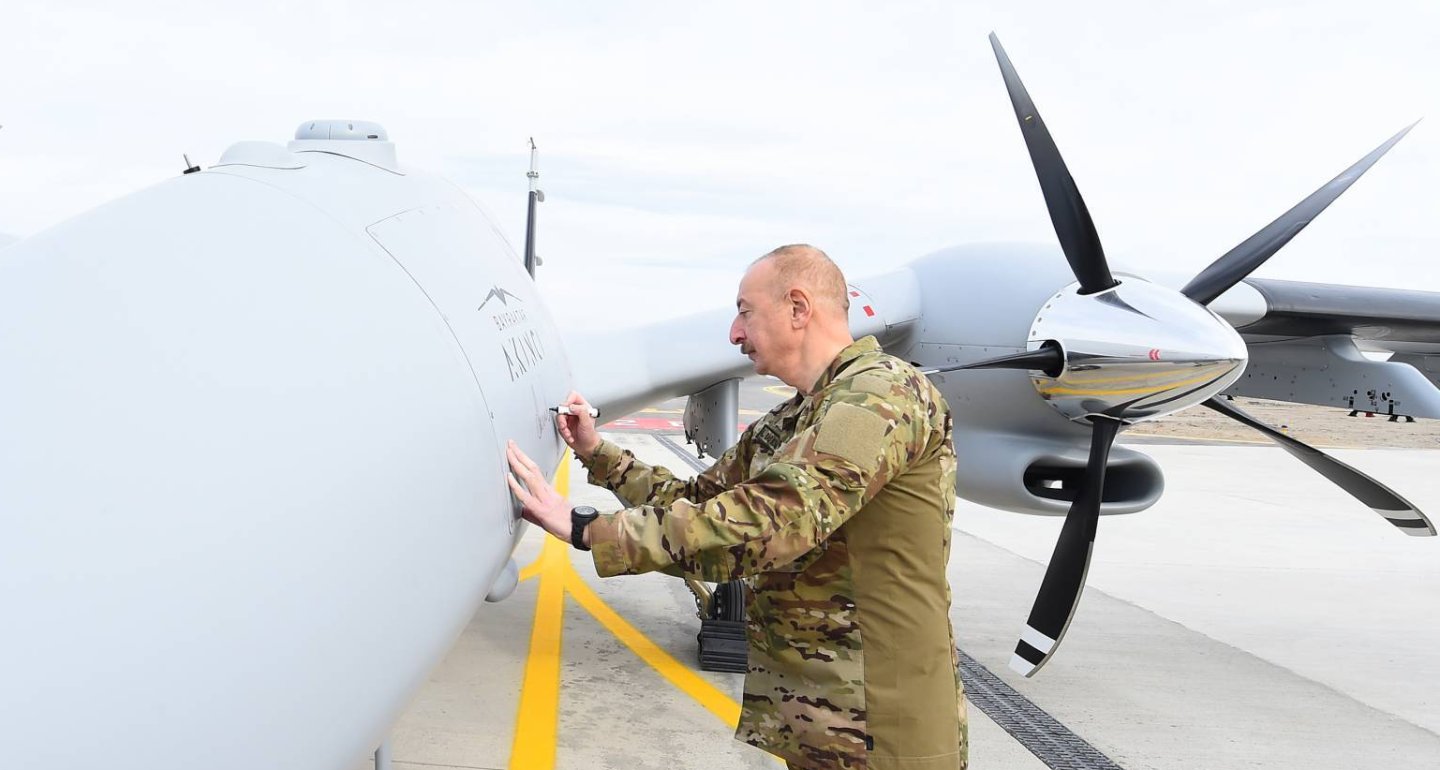
Baku’s backing for Ukraine is less about confronting Russia than about quietly broadening the mix of partners it relies on.
Zaur Shiriyev
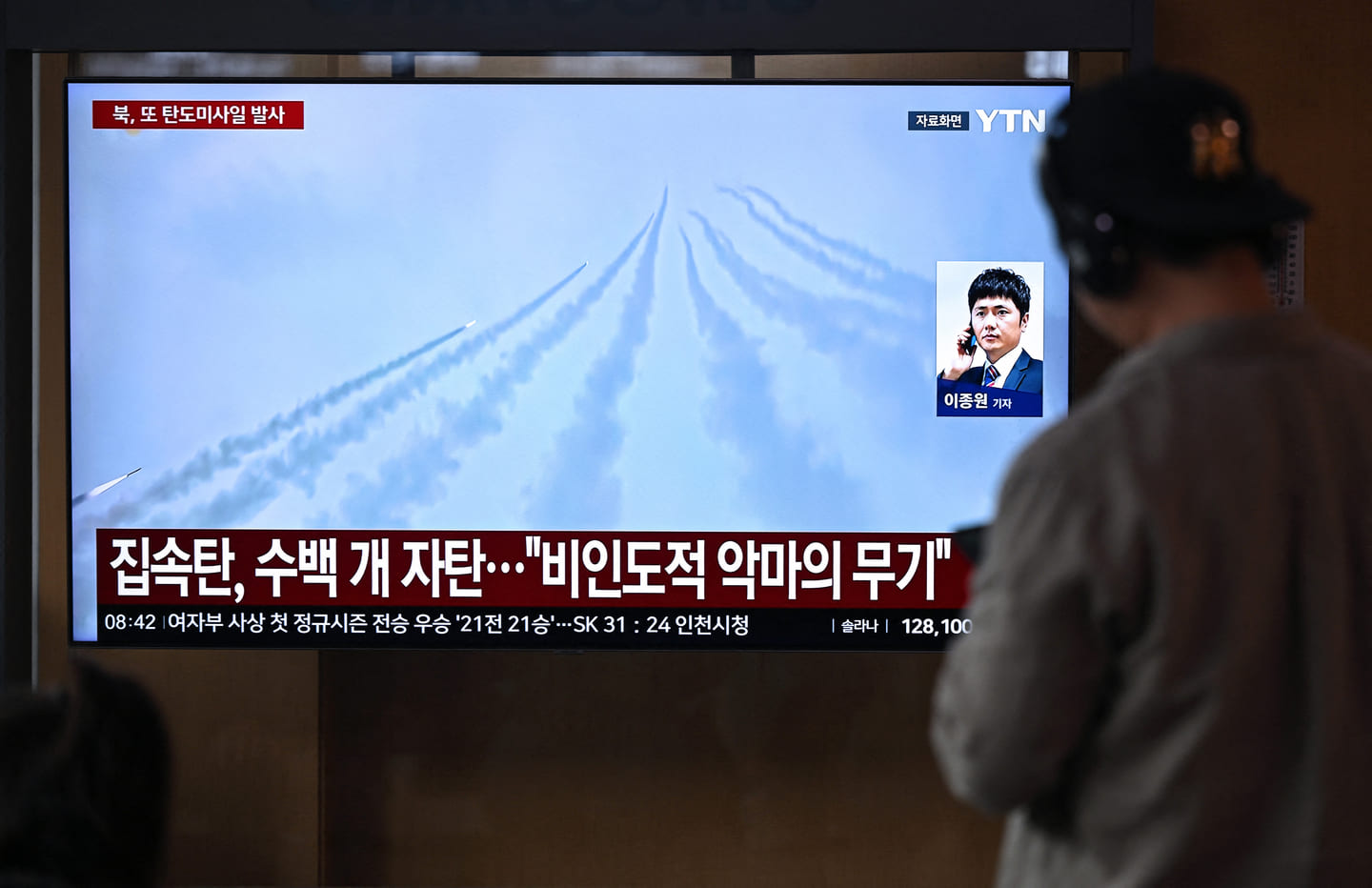
Troubled by the growing salience of nuclear debates in East Asia, Moscow has responded in its usual way: with condemnation and threats. But by exacerbating insecurity, Russia is forcing South Korea and Japan to consider radical security options.

James D.J. Brown
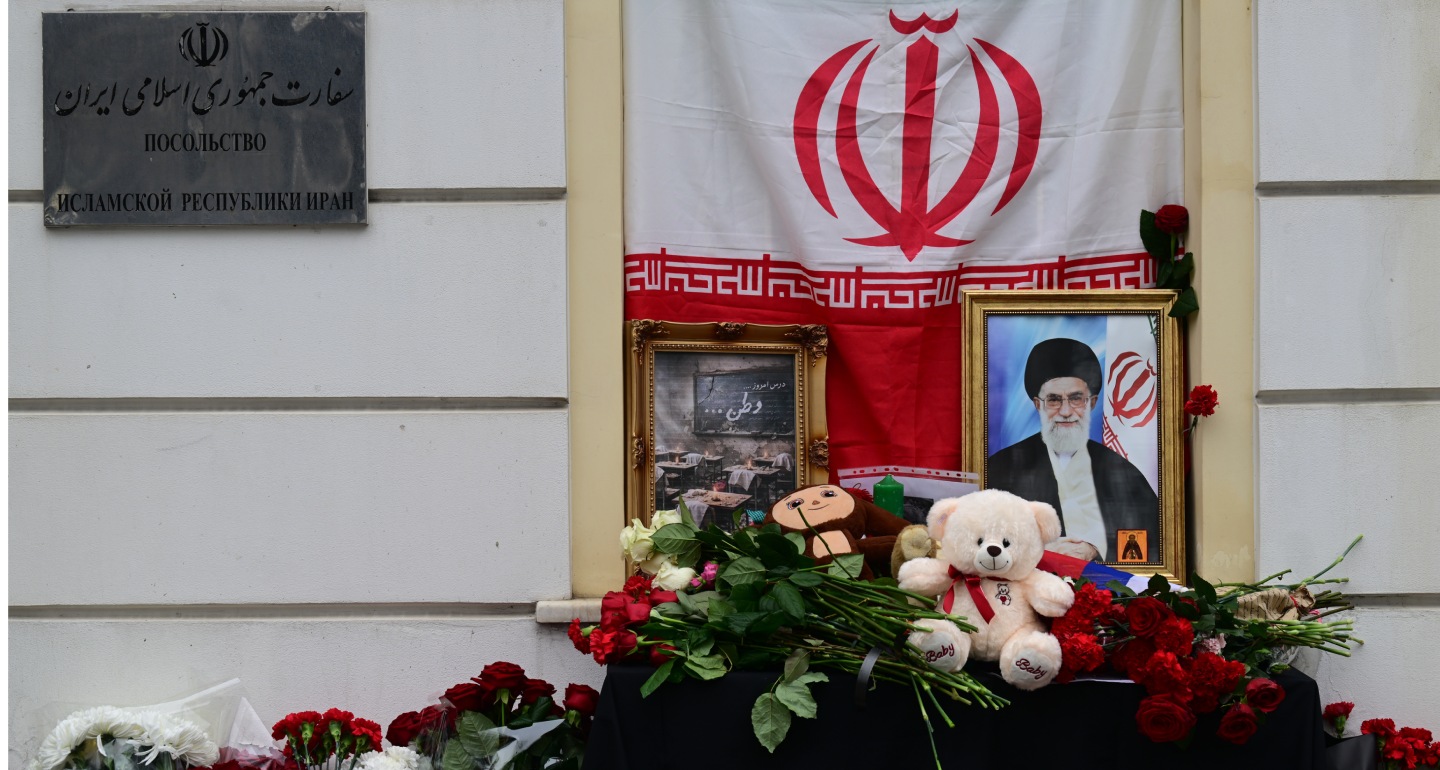
If the regime in Tehran survives, it could be obliged to hand Moscow significant political influence in exchange for supplies of weapons and humanitarian aid.

Nikita Smagin