

Article
Леонид Гозман, Michael McFaul
{
  "authors": [
    "Michael McFaul"
  ],
  "type": "legacyinthemedia",
  "centerAffiliationAll": "dc",
  "centers": [
    "Carnegie Endowment for International Peace"
  ],
  "collections": [],
  "englishNewsletterAll": "ctw",
  "nonEnglishNewsletterAll": "",
  "primaryCenter": "Carnegie Endowment for International Peace",
  "programAffiliation": "russia",
  "programs": [
    "Russia and Eurasia"
  ],
  "projects": [],
  "regions": [
    "Caucasus",
    "Russia"
  ],
  "topics": []
}
REQUIRED IMAGE
Source: Carnegie
The Sunday Times (UK), August 27, 2000
IF MANY technical questions still linger regarding how and why the crew of the Kursk perished, the tragedy has provided some fairly definitive political answers about Vladimir Putin as a leader and the Russians as a people.
After an incredibly easy ride to the summit of power and a series of successes at home and abroad, the Kremlin leader finally faced a real test of leadership. He failed.
Putin's initial instincts were typical of the KGB apparatchik that he is. He and his government lied, denied and deceived. In turn, the Russian people succeeded in demonstrating that they are no longer willing to submit passively to the state's dictates.
If the Russian leader's initial responses to the crisis were Soviet in flavour, public reaction was distinctly post-Soviet. There has even been speculation that the Kursk tragedy is Putin's Chernobyl, an event that in the long run will help precipitate a new approach to openness and a rethinking of state priorities.
Think again. To be sure, the public outcry and the new public scepticism towards the once wildly popular Putin are silver linings to this unfortunate disaster. However, we should not project too many lasting consequences into this one event. It will take many more Kursk-like setbacks to sink the president.
Putin is not a weak and embattled leader. In the five months since his election as president he has already made his mark on foreign policy and pushed through a much-needed tax reform. More significantly, he has transformed the political landscape, weakening those institutions that acted as checks on presidential power during the Yeltsin era.
Throughout this period, he has maintained solid popular backing: polls earlier this month gave him an approval rating of 70%.
The seemingly unstoppable Putin finally stumbled in his handling of the Kursk. In the first days of the crisis he acted like a bureaucrat, not a leader.
Over the past week he has dramatically changed tack. This was not on his own initiative, however, but rather the result of a critical press and an angry public.
Putin might come away from this experience with the lesson that it is best to react quickly and publicly to criticism. The outcry demonstrated that the Russian people may desire more law and order, but are not willing to tolerate indifference and deceit from their leaders.
More likely, however, he will learn a different lesson from this crisis: a free press capable of exposing government mistakes and sparking public resentment is dangerous.
After all, Putin's government has devoted enormous resources to controlling reporting on the war in Chechnya. To date, his ambitious agenda for change has not included the deepening of democracy or military reform. Rather than more meetings with voters or transparent government investigations, we should expect more harassment of the press, greater control over the flow of information and more money for the military.
While the Russian people proved that they expect more from their leaders than during Soviet times and may no longer hold romantic illusions about Putin as a saviour, the struggle for a more responsive, responsible and effective Russian state - that is, a more democratic state - has only just begun.
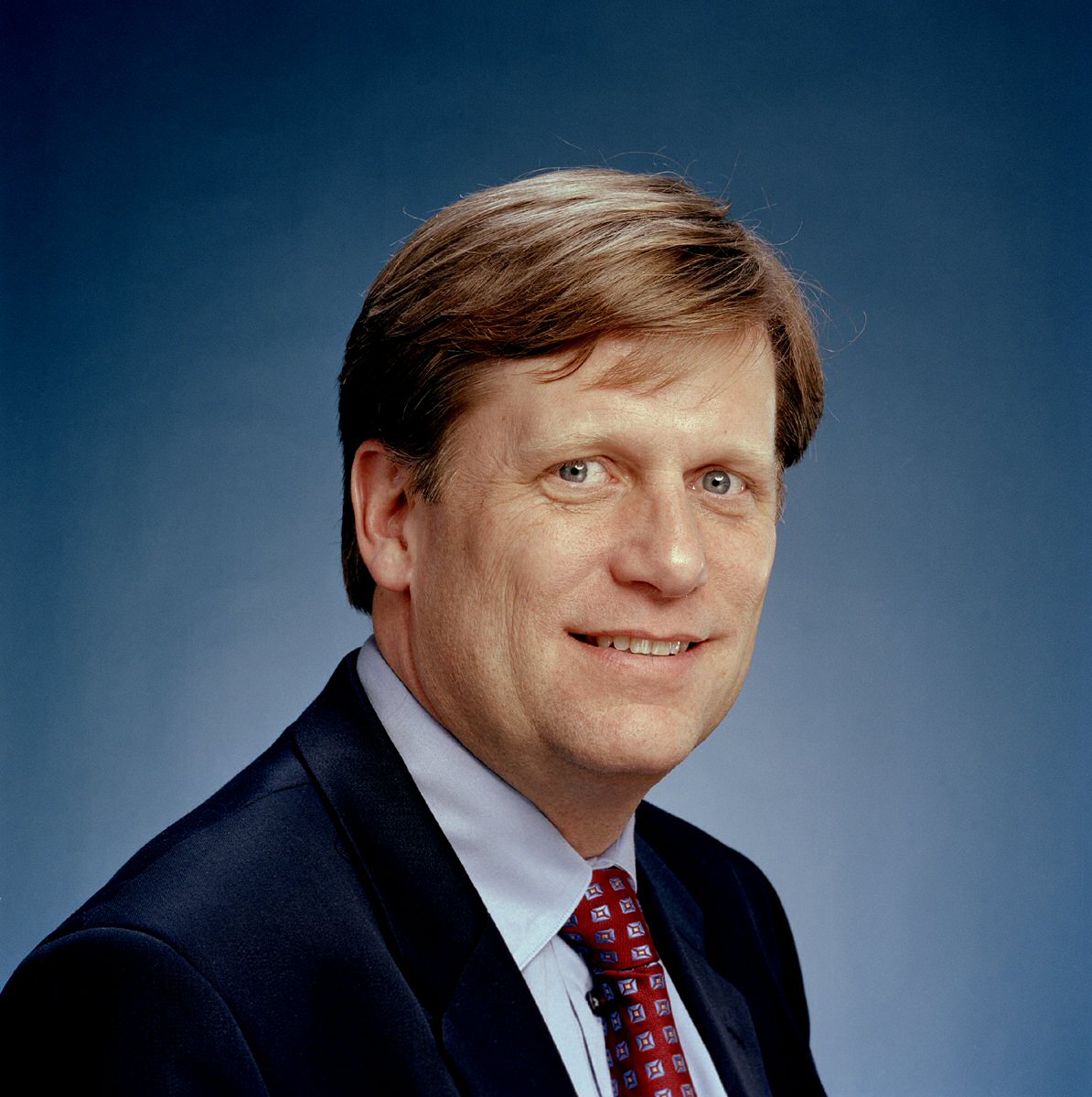
Former Senior Associate
In addition to his role at Carnegie, McFaul is Peter and Helen Bing Senior Fellow at the Hoover Institution and associate professor of political science at Stanford University.
Recent Work
Леонид Гозман, Michael McFaul
Michael McFaul, Sanja Tatic
Blurring the line between humans and animals is a long-standing tradition in social utopian prose. In his latest novel, Leonid Bershidsky reminds us that in social experiments, people are often treated no differently than animals.
Alexander Baunov
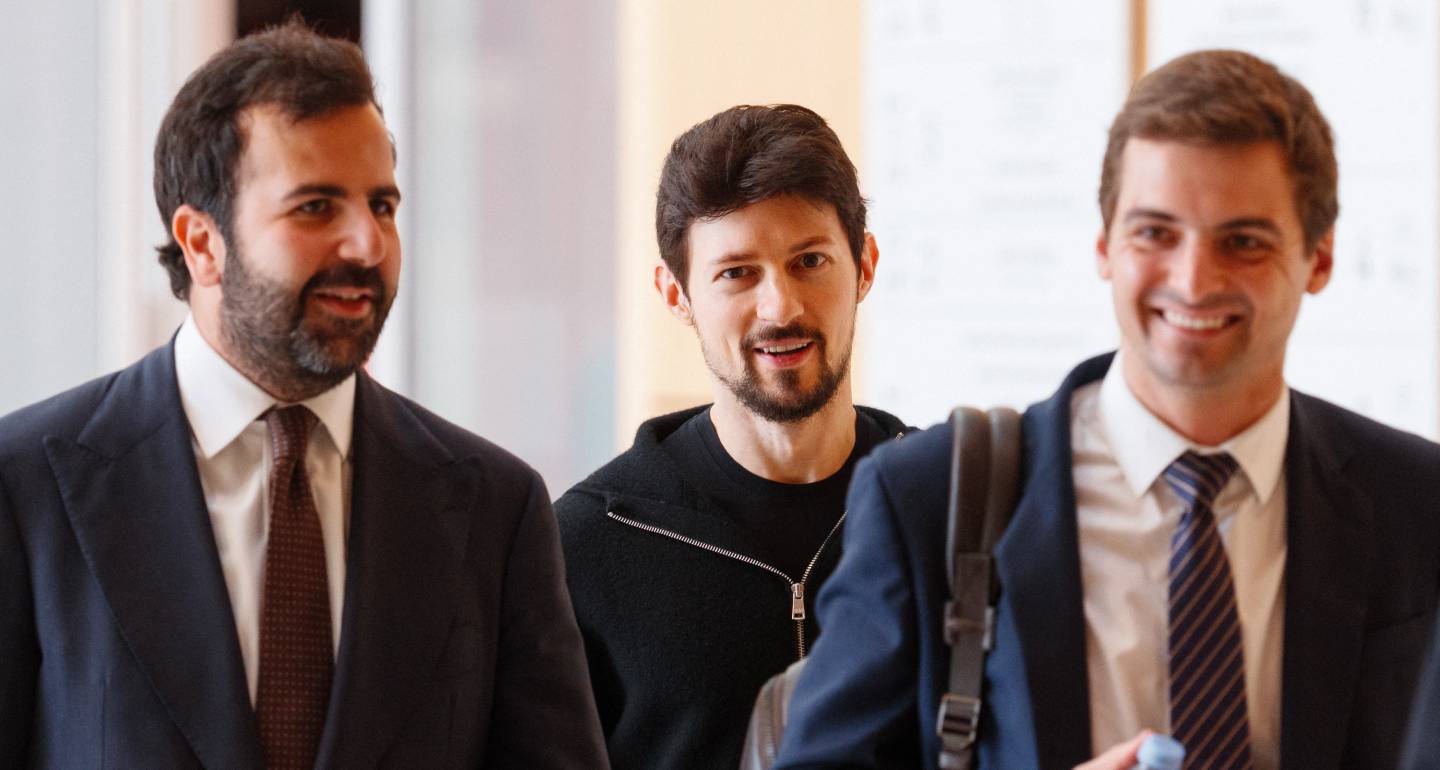
While France and Australia are seeking to establish the legal obligations of messaging apps like Telegram, Russia wants total subordination.

Maria Kolomychenko
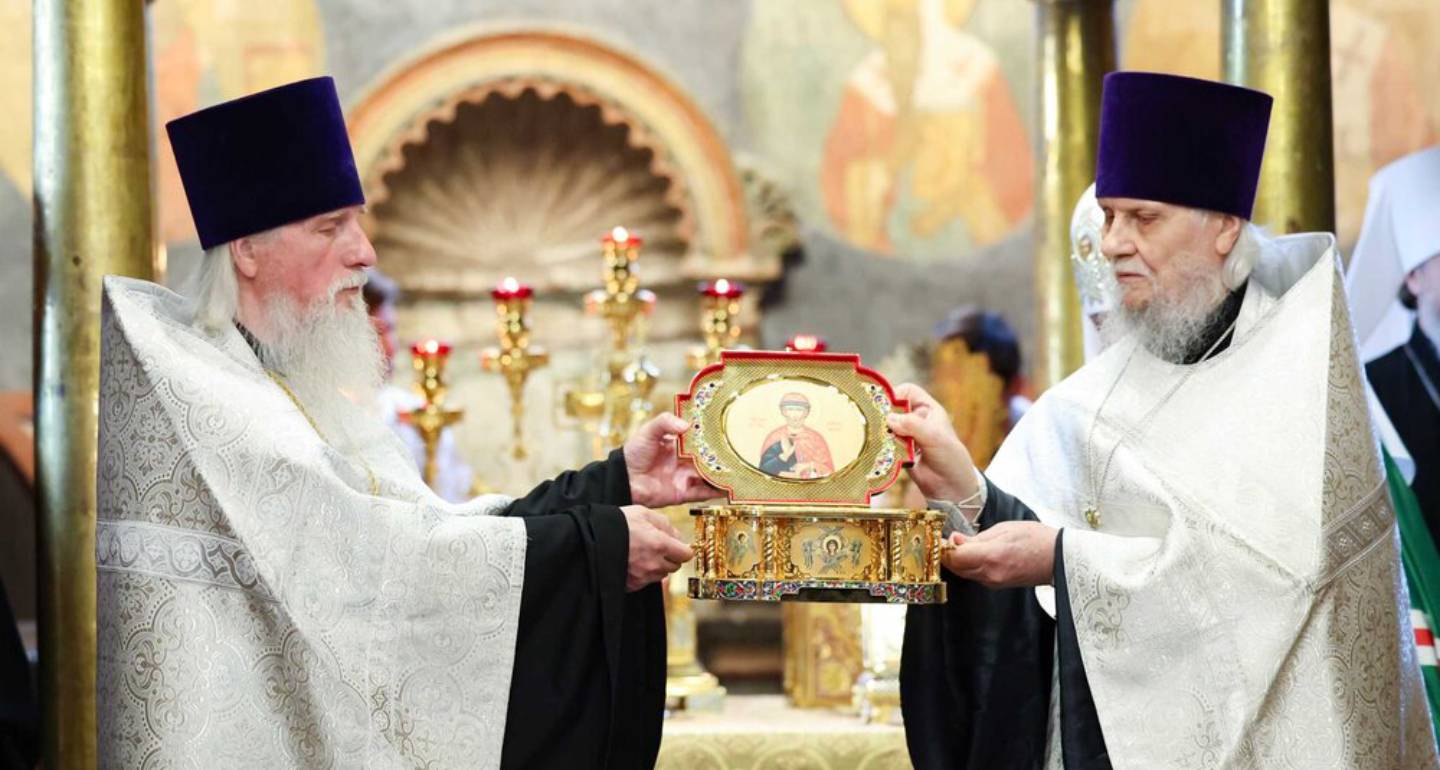
The recent uncovering of Dmitry Donskoy’s relics in the Cathedral of the Archangel is yet another attempt by the Russian Orthodox Church to help the state solve its problems. However, parroting the state’s version of Russian history leaves the Church with no message except “patriotism.”
Alexander Zanemonets

With the growth in points of friction between the great powers, organizations like the SCO will continue to play a role in the strategic adaptation of the smaller powers caught between them.

Temur Umarov

The war in Ukraine and a change in ownership led VK to neglect its commercial ventures in favor of implementing the Kremlin’s online agenda. Now it’s been sanctioned by the EU.
Maria Kolomychenko