

Article
Marina Ottaway, Omar Hossino
{
  "authors": [
    "Marina Ottaway"
  ],
  "type": "other",
  "centerAffiliationAll": "dc",
  "centers": [
    "Carnegie Endowment for International Peace"
  ],
  "collections": [],
  "englishNewsletterAll": "democracy",
  "nonEnglishNewsletterAll": "",
  "primaryCenter": "Carnegie Endowment for International Peace",
  "programAffiliation": "DCG",
  "programs": [
    "Democracy, Conflict, and Governance"
  ],
  "projects": [],
  "regions": [
    "Southern, Eastern, and Western Africa"
  ],
  "topics": [
    "Economy",
    "Trade",
    "Foreign Policy"
  ]
}
Source: Getty
In the 1990s, the Clinton administration led the international community in pursuit of a grand vision of reforming African countries into modern free-market democracies. That vision, however, was a poor match for the reality of conflict and stagnation on the ground. U.S. resources fell short of the rhetoric, and the policy yielded few results.

The next U.S. administration should acknowledge that immediate transformation of the continent is impossible. It should work first to create a better environment by providing debt relief, streamlining conflicting and unfunded financial-community mandates, concentrating assistance on stable countries, and assessing the negative impacts of single-interest NGOs. Africa will be helped most by a narrower U.S. policy focused on realistic goals.
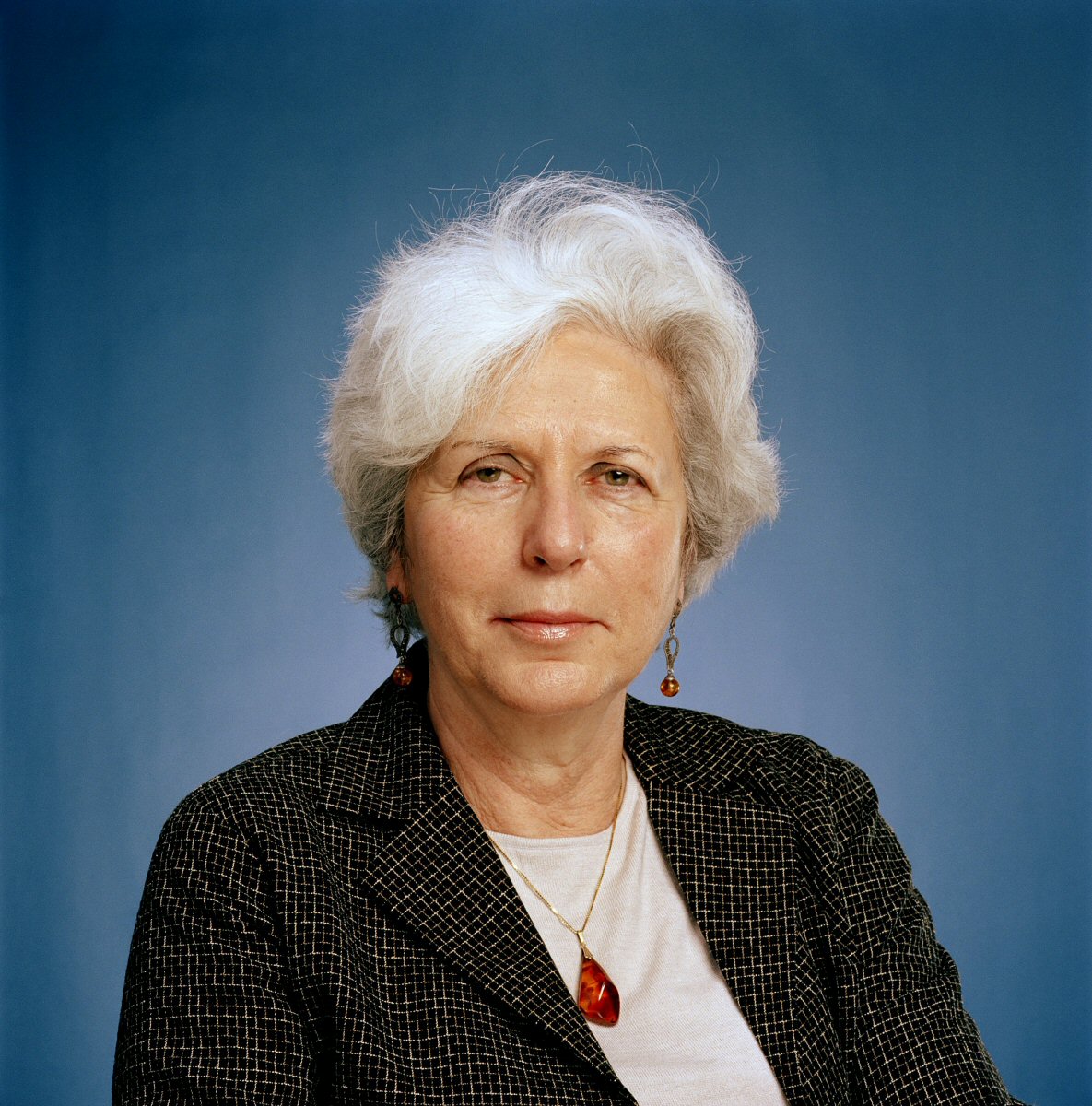
Former Senior Associate, Middle East Program
Before joining the Endowment, Ottaway carried out research in Africa and in the Middle East for many years and taught at the University of Addis Ababa, the University of Zambia, the American University in Cairo, and the University of the Witwatersrand in South Africa.
Recent Work
Marina Ottaway, Omar Hossino
Marina Ottaway
Carnegie does not take institutional positions on public policy issues; the views represented herein are those of the author(s) and do not necessarily reflect the views of Carnegie, its staff, or its trustees.

Japan’s long-term security policy is driven by concerns about China, and there is little appetite for (or interest in) pursuing a confrontation with Moscow.

James D.J. Brown

Without a ceasefire with Ukraine on attacking each other’s energy infrastructure—to which the Kremlin is unlikely to agree—the diesel agreement between Putin and Trump is largely for show, rather than representing a genuine increase in the volumes of Russian diesel on the global market.

Sergey Vakulenko

Russian strikes are weakening the economy sustaining Ukraine’s war effort. Closing the growing funding gap will require more European support and politically contentious reforms in Kyiv.

Balázs Jarábik

Despite a new textbook, an influx of Russian teachers and managers, and an end to the teaching of Ukrainian, the Kremlin is unlikely to have “reprogrammed” locals.

Konstantin Skorkin

For every ruble allocated to social policy, health, and education in 2027, double that amount is earmarked for the army, the police, and the security services.

Alexandra Prokopenko