

Article
Леонид Гозман, Michael McFaul
{
  "authors": [
    "Michael McFaul"
  ],
  "type": "legacyinthemedia",
  "centerAffiliationAll": "dc",
  "centers": [
    "Carnegie Endowment for International Peace"
  ],
  "collections": [],
  "englishNewsletterAll": "ctw",
  "nonEnglishNewsletterAll": "",
  "primaryCenter": "Carnegie Endowment for International Peace",
  "programAffiliation": "russia",
  "programs": [
    "Russia and Eurasia"
  ],
  "projects": [],
  "regions": [
    "Caucasus",
    "Russia"
  ],
  "topics": [
    "Foreign Policy"
  ]
}
REQUIRED IMAGE
Source: Carnegie
This op-ed will appear in Vremya-N (Russia) on Sept. 16, 2001.
You always learn who are your true friends and who are your fair weather friends during times of crisis. In America?s moment of crisis, Russia demonstrated that the ties that bind our countries and people together are much deeper than the issues that separate us.
For the least several years, disappointed expectations and doubt about true intentions have fueled distrust between the leaders and people of our two countries. In polls conducted in Russia by myself and Professor Timothy Colton of Harvard University in 1999-2000, an alarming 55 percent of Russian citizens responded that they thought that the United States represents a threat to Russian security. Polls conducted in the United States showed that many fewer Americans thought of Russia as a threat to U.S. national security, but distrust of Russia had increased in the last few years.
These polls were conducted, however, when the stakes were low and the threats to each other from each other were rather abstract. This was especially true for Americans who have had the luxury of peace for decades. The attack on American soil this week suddenly and tragically has focused our mind on the real threats to our security.Russia is not one of them. On the contrary, these tragic events underscored just how close our countries have become in the last decade.
Russian President Vladimir Putin was the first foreign leader to contact my President, George W. Bush. That he was the first to call was noticed by Bush Administration officials. In America?s moment of profound crisis, Putin showed unwavering solidarity with the United States. This attack against the Untied States was an act of war against all democracies and all civilized countries in the world. Putin made clear what side of the fence Russia is on. His unequivocal response stands in sharp contrast to many other countries around the world, which chose instead to issue emotionless, bureaucratic statements without expressing outrage or a commitment to assist the United States in fighting these attackers.
On a personal level, I was also overwhelmed with emotion by the dozens of calls and emails I received from my friends in Russia expressing support for my country in its time of need. More than any other event in recent memory, this outpouring of support and condemnation of the terrorists from Russia has convinced me that the Russia and the United States and Russians and Americans share common values, and have the potential to be part of one international community. What unites us is much stronger and more important than what divides us.
Of course, contentious issues in U.S.-Russian relations remain and will not go away as a result of this act of war against the United States. But many of these issues should look differently today. American officials undoubtedly will have a new appreciation for Russia?s struggles to combat terrorism in Chechnya. Russian officials must also listen more carefully to American concerns over Russian exports of nuclear technologies to Iran. The American race to abrogate the ABM treaty is likely to slow. Russian concerns about NATO expansion hopefully will now subside.
In retrospect, the 1990s may come to look like a temporary era of innocence for the United States. September 11, 2001 marked the end of the "end of history." In the new era now beginning, war, guns, and the projection of power will return as major themes of international politics. Tragically, Russia did not enjoy a decade of innocence after the end of the cold war. As our countries now both enter this new era, however, it is comforting to believe that we might be allies rather than enemies.
Former Senior Associate
In addition to his role at Carnegie, McFaul is Peter and Helen Bing Senior Fellow at the Hoover Institution and associate professor of political science at Stanford University.
Recent Work
Леонид Гозман, Michael McFaul
Michael McFaul, Sanja Tatic
Carnegie does not take institutional positions on public policy issues; the views represented herein are those of the author(s) and do not necessarily reflect the views of Carnegie, its staff, or its trustees.
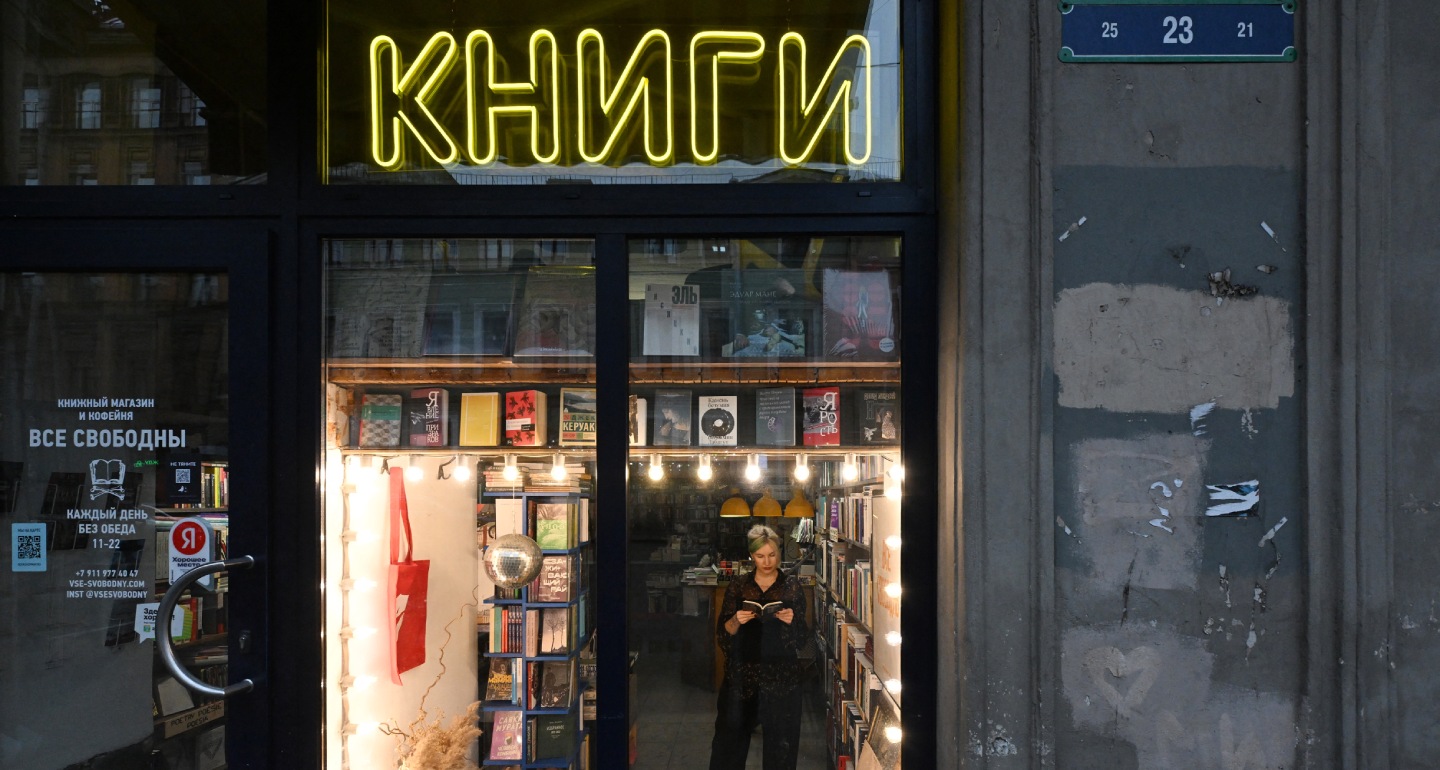
Political pressure and economic headwinds are closely intertwined problems for Russian publishers and booksellers. Together, they risk propelling Russia into a “post-literate” era.

Galina Yuzefovich

In the discussions made possible by the State Duma election campaign, one question is being asked more and more loudly. “What next?”

Andrey Pertsev

While the Nazis rushed ahead in a revolutionary fervor, Russia’s modern crusaders against enemies of the state work methodically, giving their targets time to adjust to restrictions before closing the loopholes.

Leonid Bershidsky

When faced with fuel shortages in the past, Central Asian governments could always count on additional supplies from Moscow. That safety net no longer exists.

Galiya Ibragimova
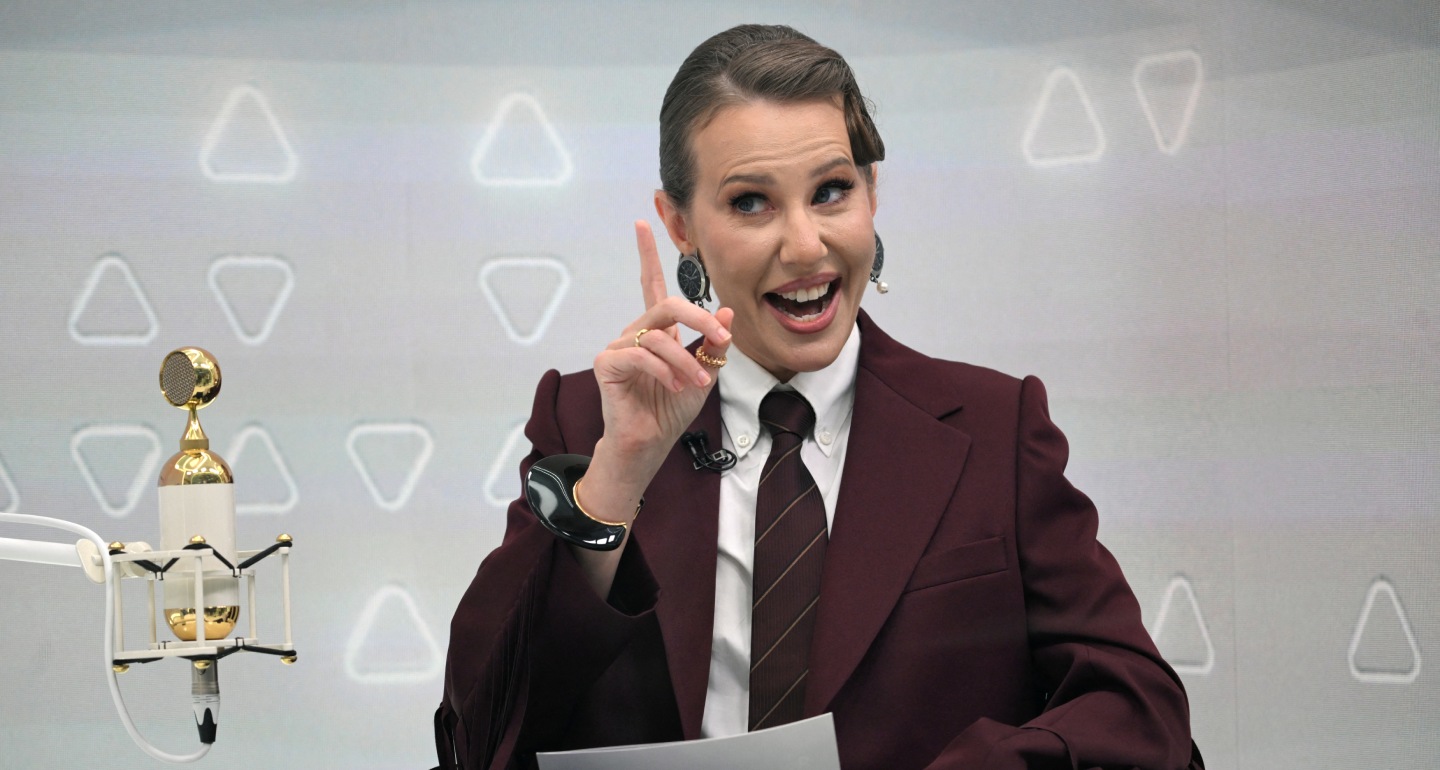
Reading the purported correspondence of celebrity Ksenia Sobchak sheds light on her role within the system, and how journalism and politics function in Putin’s Russia.

Vladislav Gorin