

In The Media
Michele Dunne, Robert Kagan
{
  "authors": [
    "Robert Kagan"
  ],
  "type": "legacyinthemedia",
  "centerAffiliationAll": "",
  "centers": [
    "Carnegie Endowment for International Peace"
  ],
  "collections": [],
  "englishNewsletterAll": "",
  "nonEnglishNewsletterAll": "",
  "primaryCenter": "Carnegie Endowment for International Peace",
  "programAffiliation": "",
  "programs": [],
  "projects": [],
  "regions": [],
  "topics": [
    "Security",
    "Military",
    "Foreign Policy"
  ]
}
REQUIRED IMAGE
Source: Carnegie
Reprinted with permission from the Washington Post, September 11, 2001
| Read responses to this article |
Sept. 11, 2001 -- the date that will live in infamy, the day the post-Cold War era ended, the day the world for Americans changed utterly. In the coming days, as rescuers pick through the rubble in New York, in Washington, in Pittsburgh and who knows where else across the besieged United States, as the bodies of thousands of dead Americans are uncovered and as the rest of us weep over the destruction of innocent human life, our friends and loved ones, we may begin to hear analyses as to why this "tragedy" has befallen us. There will no doubt be questions raised, sins of omission and commission in the Middle East alluded to. Even yesterday, as the flames still burned, the BBC opined that the attacks came because the United States had failed to get a "grip" on the Middle East. Nothing in that is strange or odd. After Pearl Harbor, almost exactly 60 years ago, there were those who argued, with perhaps even more persuasiveness, that then, too, the United States had somehow invited the Japanese attack. After all, had we not embargoed Japan's vital oil supply?
One can only hope that America can respond to yesterday's monstrous attack on American soil -- an attack far more awful than Pearl Harbor -- with the same moral clarity and courage as our grandfathers did. Not by asking what we have done to bring on the wrath of inhuman murderers. Not by figuring out ways to reason with, or try to appease those who have spilled our blood. Not by engaging in an extended legal effort to arraign, try and convict killers, as if they were criminals and not warriors. But by doing the only thing we now can do: Go to war with those who have launched this awful war against us. Over the past few years there has been a nostalgic celebration of "The Greatest Generation" -- the generation that fought for America and for humanity in the Second World War. There's no need for nostalgia now. That challenge is before us again. The question today is whether this generation of Americans is made of the same stuff.
Please let us make no mistake this time: We are at war now. We have suffered the first, devastating strike. Certainly, it is not the last. The only question is whether we will now take this war seriously, as seriously as any war we have ever fought, whether we will conduct it with the intensity and perserverance it requires. Let's not be daunted by the mysterious and partially hidden identity of our attackers. It will soon become obvious that only a few terrorist organizations are capable of carrying out such a massive and coordinated strike. We should pour the resources necessary into a global effort to hunt them down and capture or kill them. It will become apparent that those organizations could not have operated without the assistance of some governments, governments with a long record of hostility to the United States and an equally long record of support for terrorism. We should now immediately begin building up our conventional military forces to prepare for what will inevitably and rapidly escalate into confrontation and quite possibly war with one or more of those powers. Congress, in fact, should immediately declare war. It does not have to name a country. It can declare war against those who have carried out yesterday's attack and against any nations that may have lent their support. A declaration of war would not be pure symbolism. It would be a sign of will and determination to see this conflict through to a satisfactory conclusion no matter how long it takes or how difficult the challenge.
Fortunately, with the Cold War over, there are no immediate threats around the world to prevent us from concentrating our energies and resources on fighting this war on international terrorism as we have never fought it before.
The Carnegie Endowment for International Peace normally does not take institutional positions on public policy issues; the views and recommendations presented in this article do not necessarily represent the views of the Carnegie Endowment, its officers, staff, or trustees. To respond to this article, please e-mail: webmaster@ceip.org
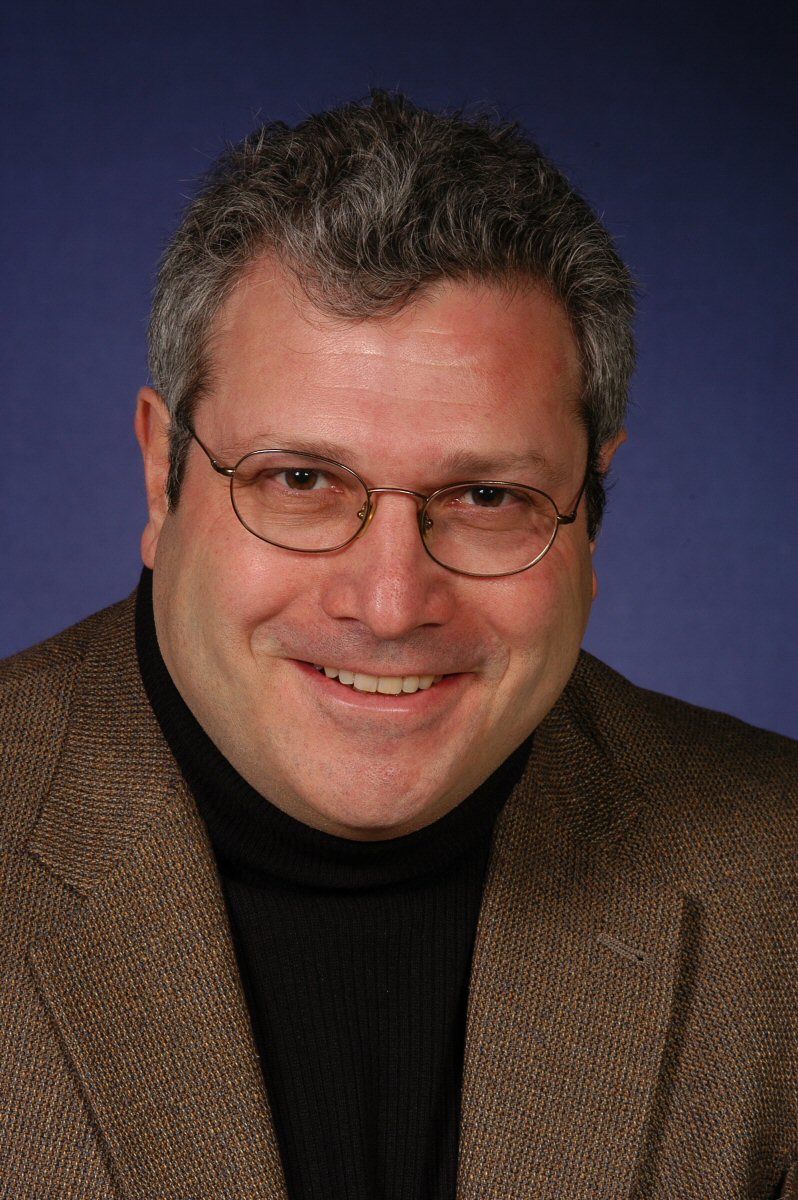
Former Senior Associate
Kagan, author of the recent book, The Return of History and the End of Dreams (Knopf 2008), writes a monthly column on world affairs for the Washington Post and is a contributing editor at both the Weekly Standard and the New Republic.
Recent Work

Michele Dunne, Robert Kagan
Robert Kagan, Michele Dunne
Carnegie does not take institutional positions on public policy issues; the views represented herein are those of the author(s) and do not necessarily reflect the views of Carnegie, its staff, or its trustees.

With the growth in points of friction between the great powers, organizations like the SCO will continue to play a role in the strategic adaptation of the smaller powers caught between them.

Temur Umarov

When faced with fuel shortages in the past, Central Asian governments could always count on additional supplies from Moscow. That safety net no longer exists.

Galiya Ibragimova

Two divergent trends—Putin’s hardline vision of how to prosecute the war in Ukraine, and a growing desire for change in Russia—could tear the regime apart.

Tatiana Stanovaya

Andrey Melnichenko’s essay offers no answer to the fundamental question of how, under any kind of negotiated settlement, Europe can protect itself from the Russian ressentiment that is inevitable in all scenarios except for an outright victory for Putin.

Leonid Bershidsky

Despite unhappiness on the ground, Moscow is determined to use both carrot and stick to ensure there is record support for United Russia in occupied Ukraine.

Konstantin Skorkin