

In The Media
Michele Dunne, Robert Kagan
{
  "authors": [
    "Robert Kagan"
  ],
  "type": "legacyinthemedia",
  "centerAffiliationAll": "",
  "centers": [
    "Carnegie Endowment for International Peace"
  ],
  "collections": [],
  "englishNewsletterAll": "",
  "nonEnglishNewsletterAll": "",
  "primaryCenter": "Carnegie Endowment for International Peace",
  "programAffiliation": "",
  "programs": [],
  "projects": [],
  "regions": [
    "Middle East"
  ],
  "topics": [
    "Security"
  ]
}
REQUIRED IMAGE
Source: Carnegie
Originally published April 18, 2002 in the Washington
Post
When Pulitzer-Prize winning New York Times columnist Tom Friedman talks, people listen. Now one of Friedman's most radical ideas -- to put a NATO peacekeeping force on the ground between the Israelis and Palestinians as a key part of an overall peace settlement -- is actually starting to pick up steam around the world. U.N. Secretary General Kofi Annan has endorsed the idea of an international force as part of a settlement that would be imposed on Israel and the Palestinians. So has German Foreign Minister Joschka Fischer. More important, Secretary of State Colin Powell is believed to be mulling such a plan. He has publicly talked about putting American observers on the ground. Even some Israelis have warmed to the idea, provided of course that any force includes American troops. After Europe's lynching of Israel these past few weeks, that's the only army they trust.
Friedman's idea deserves to be taken seriously. And to those of us who have supported American troop deployments for peacekeeping in Bosnia, Kosovo, Haiti and elsewhere over the past decade, peacekeeping in the Middle East seems at least as worthy, in principle. Our strategic interest in a stable peace there is clear, and so is the moral case for doing something to end the bloodshed, defend the Israeli democracy and give the Palestinians a chance for a better life. After Sept. 11, we have to engage in peacekeeping and nation-building in messy places such as Afghanistan and, one hopes, post-Saddam Iraq, whether we like it or not. So why not in the Palestinian territories?
But if the idea of a U.S.-led force between Israel and a Palestinian state is starting to get serious attention, it's time for Friedman and others to spell out what exactly they have in mind, and with a little more candor about the costs and risks.
Take the size and role of the force, for instance. To carry out its mission and avoid disaster, the American force would have to be, as they say in the military, "robust." For one thing, the demarcation line between Israelis and Palestinians that will have to be patrolled and controlled will be long, twisty, and difficult. For another thing, Americans are going to be a prime target for terrorist attacks. Friedman denies this, arguing that the Palestinian people will view the Americans as saviors -- they will be "the midwife of a Palestinian state." But Hamas, Hezbollah and Islamic Jihad probably won't see it that way. Rallying to the cry of "Remember Beirut!" they'll look for ways to take out another 240 Marines. And they'll have help from Iran, Iraq, al Qaeda and all the other jihadists out there.
That means any American force will have to be big -- 10,000 to 20,000 troops, with another 10,000 to 20,000 backing them up. And they'll have to be heavily armed. Potential attackers will need to be intimidated by American firepower every day and every night for as many years as it takes. And that means Tom Friedman and Kofi Annan and Joschka Fischer will need to become full-time lobbyists for massive increases in the American defense budget, because right now we have neither the troops nor the money to carry out their plan.
Now for the hard part. Let's say we get a peace agreement and we put the peacekeeping force on the ground between the Israelis and Palestinians. What happens when, despite all our best efforts, the occasional Hamas suicide bomber gets through anyway and commits the occasional massacre in Jerusalem or Tel Aviv? Count on it: This will happen. And what about when Hezbollah tries to use the new Palestinian state created by the peace settlement the way it now uses southern Lebanon, as a convenient place from which to launch Katyusha rockets at Israeli population centers? What do we do then?
Friedman et al. can't wish this problem away. And the options are less than enticing. One option is that the American-led peacekeeping force does nothing. But then we will have effectively created an American shield for terrorist attacks against Israel. This, by the way, was exactly the role a U.N. peacekeeping force played in Lebanon for several years in the late 1970s and early '80s, right up until the Israeli army invaded Lebanon and pushed the U.N. force (known as UNIFIL) aside.
Option two is that the peacekeeping force could, like UNIFIL, just get out of the way and let the Israeli military retaliate for any terrorist attacks. Then at least American forces wouldn't be helping the terrorists attack Israel. They'd be helping Israel attack the state of Palestine. That's how it would look to the Palestinians, anyway. So much for the Americans as saviors.
Option three is that the American-led force goes to war. We tell the Israelis to hold their fire and then send our own forces in to stop the terrorists. In essence, we take on the job the Israelis are currently doing in the territories. This prevents the outbreak of a new Israeli-Palestinian conflict -- and begins the first round of the U.S.-Palestinian conflict. Maybe that's a kind of progress, but it's not very attractive.
Is there another option I'm missing? If not, the proposal for an international peacekeeping force looks less like a real plan than a desperate if noble attempt to solve the insoluble in the Middle East -- a deus ex America summoned to provide a miracle when all roads to peace have reached a dead end. Even Ehud Barak's idea of building a very, very big fence between Israel and the Palestinians looks better. Help us out, Tom.

Former Senior Associate
Kagan, author of the recent book, The Return of History and the End of Dreams (Knopf 2008), writes a monthly column on world affairs for the Washington Post and is a contributing editor at both the Weekly Standard and the New Republic.
Recent Work

Michele Dunne, Robert Kagan
Robert Kagan, Michele Dunne
Carnegie does not take institutional positions on public policy issues; the views represented herein are those of the author(s) and do not necessarily reflect the views of Carnegie, its staff, or its trustees.

The European far right might fail to steer EU policy in the direction Russia wants, but they will create enough chaos inside Europe to benefit the Kremlin.

Dimitar Bechev

With the growth in points of friction between the great powers, organizations like the SCO will continue to play a role in the strategic adaptation of the smaller powers caught between them.

Temur Umarov
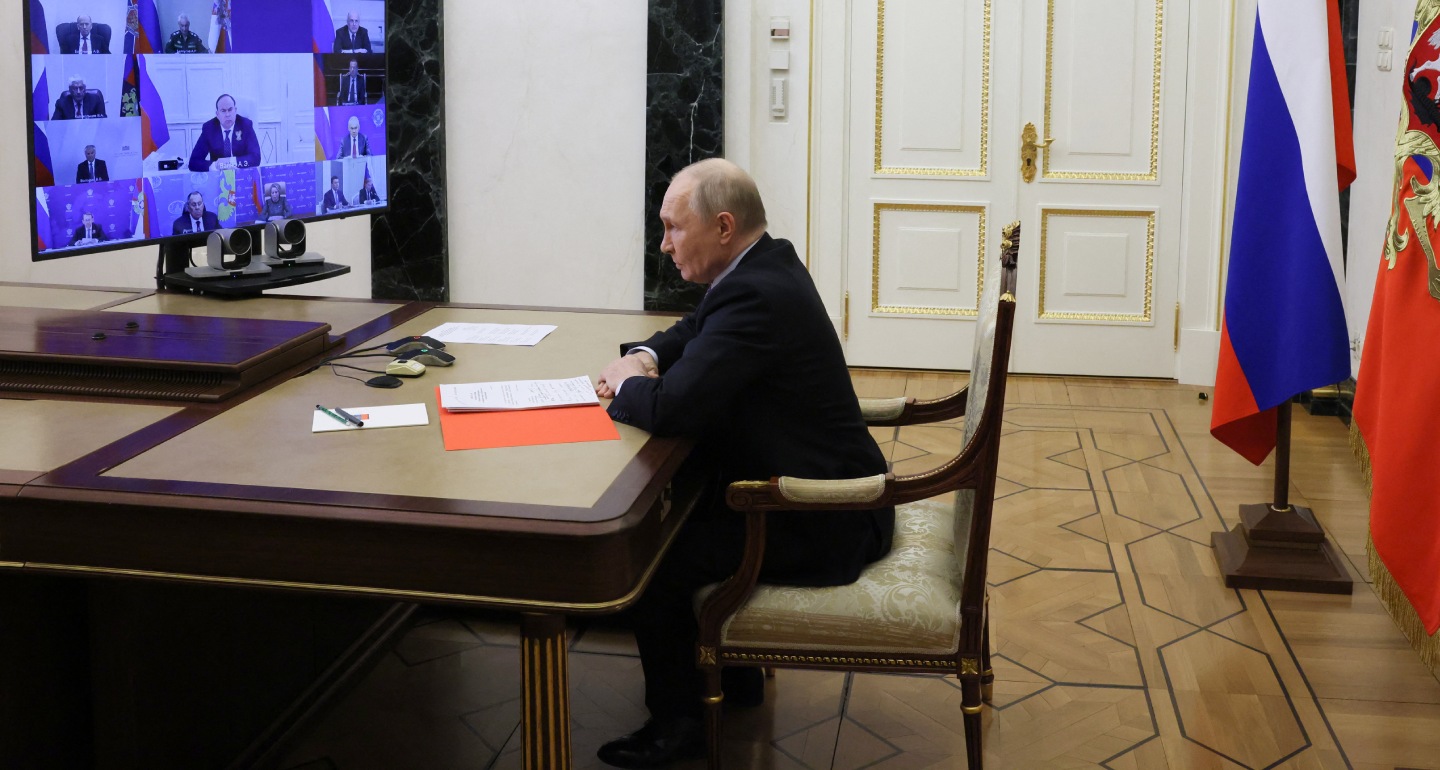
Two divergent trends—Putin’s hardline vision of how to prosecute the war in Ukraine, and a growing desire for change in Russia—could tear the regime apart.

Tatiana Stanovaya

Andrey Melnichenko’s essay offers no answer to the fundamental question of how, under any kind of negotiated settlement, Europe can protect itself from the Russian ressentiment that is inevitable in all scenarios except for an outright victory for Putin.

Leonid Bershidsky
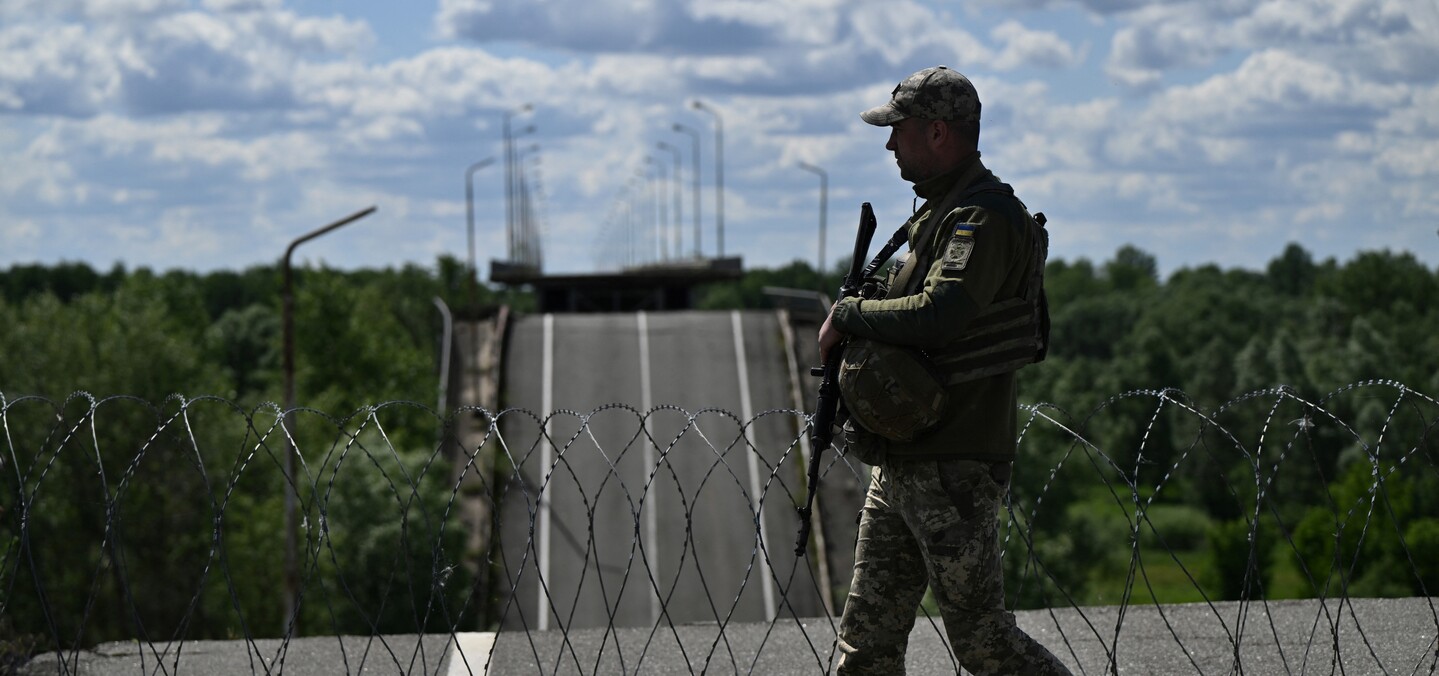
The recent damage inflicted by Ukrainian drones and missiles on Russia has made Belarus aware of its own vulnerabilities—and surprisingly amenable to Kyiv’s demands.

Artyom Shraibman