

Q&A
- +2
Judy Dempsey, Alexander Gabuev, Rose Gottemoeller, …
{
  "authors": [
    "Rose Gottemoeller"
  ],
  "type": "legacyinthemedia",
  "centerAffiliationAll": "dc",
  "centers": [
    "Carnegie Endowment for International Peace"
  ],
  "collections": [],
  "englishNewsletterAll": "ctw",
  "nonEnglishNewsletterAll": "",
  "primaryCenter": "Carnegie Endowment for International Peace",
  "programAffiliation": "NPP",
  "programs": [
    "Nuclear Policy"
  ],
  "projects": [],
  "regions": [],
  "topics": [
    "Nuclear Policy",
    "Nuclear Energy"
  ]
}
REQUIRED IMAGE
Source: Carnegie
Forty years ago, when I was growing up in Dearborn, Mich., there was a billboard on the main road near my house. It showed a happy family gathered around their father as he cheerily read a newspaper in a comfortable chair. "Let us build your bomb shelter for you," the billboard read. "So many uses in peacetime! Dad's den! Mom's sewing room!"
Many people remember the "duck and cover" drills at school. In my third-grade class, they came in two varieties: out into hallway, sit down, back to lockers, head between knees; or, under desk, curl up, forehead to floor. About the time of the Cuban missile crisis in 1962, we abandoned such measures. As the threat of nuclear holocaust came dangerously near, homeland defense seemed paltry and ineffective. Nothing was going to stop massive death and injury if Soviet nuclear weapons rained down on us. "Go home," the nuns said simply during the worst days of that October crisis. "You should be with your parents if anything happens."
Today, we need to examine homeland defense efforts again, not because the situation is hopeless but because it can be managed. It became clear, when the FBI announced seizing a man bent on radiological attack on a U.S. city, that this country faces a renewed threat from weapons that use the destructive power of the atom. This threat is different from the massive nuclear exchange that we feared in the Cold War. Far from the wholesale destruction of a nuclear explosion, so-called dirty bombs produce immediate casualties only from the conventional explosion that sets them off. Over time, depending on the radiation that they spread as a result of the explosion, some people might sicken and eventually die. But this is not a given, especially if early steps are taken to inform the population, keep them out of harm's way and clean up the radiation.
The enemy in this case is widespread panic and the impact on economic activity, not nuclear explosive effects. For that reason, the homeland defense measures that we stress today should revolve around two major activities: educating the public and cleaning up rapidly. People need to know that a dirty bomb attack does not require them to put the children in the car and rush out of town.
The public needs to know that even those caught near a radiological explosion will probably suffer no lasting effects and that decontamination can be simple and quick.
Cleaning up an urban area after it is hit by a radiological bomb is complicated but by no means impossible. Some buildings may be difficult to reopen and may eventually have to be razed. This result, however, is not a given and depends greatly on the health effects of the material used in the device.
Public arteries--roads, sidewalks--can in most cases be washed down and returned quickly to use. Here, the most important step is to ensure that city fire departments and radiological response teams are well-equipped and trained to move efficiently to get the decontamination job done. And hospitals and clinics will have to be prepared to check and reassure the many people who will inevitably flood in, worried that they have been contaminated. Preventing public panic and getting the city back to a normal routine would be our preeminent goals.
The surest way to prevent panic is to educate, and this process can begin in the schools. Luckily, we no longer have to put third-graders in fetal positions under their desks. However, we should tell them what to expect in a radiological attack and make sure they take packets of information home.
In the workplace, we should take lessons from those who survived best the horrors of Sept. 11 and train workers how to get out of buildings safely, calmly and quickly if an attack occurs.
Our firefighters and radiological response teams need to have the best equipment and training possible; in particular, they need to be trained to deal effectively with people who are panicking.
Our hospital and public health staffs also need to be trained and have the diagnostic tools at hand to quickly determine if contamination has occurred. All of these steps are doable. In many urban areas, the fire and response teams have gone a considerable distance to acquire the capabilities needed. Across the board, public education is the greatest gap that needs attention. The best news is that we do not have to give up on these homeland defense tasks.
Unlike the age of nuclear holocaust, we can confront this threat and defeat it.

Nonresident Senior Fellow, Nuclear Policy Program
Rose Gottemoeller is a nonresident senior fellow in Carnegie’s Nuclear Policy Program. She also serves as lecturer at Stanford University’s Freeman Spogli Institute for International Studies and is a research fellow at the Hoover Institution. Ambassador Gottemoeller served as the deputy secretary general of NATO from 2016 to 2019.
Recent Work


Judy Dempsey, Alexander Gabuev, Rose Gottemoeller, …
Carnegie does not take institutional positions on public policy issues; the views represented herein are those of the author(s) and do not necessarily reflect the views of Carnegie, its staff, or its trustees.
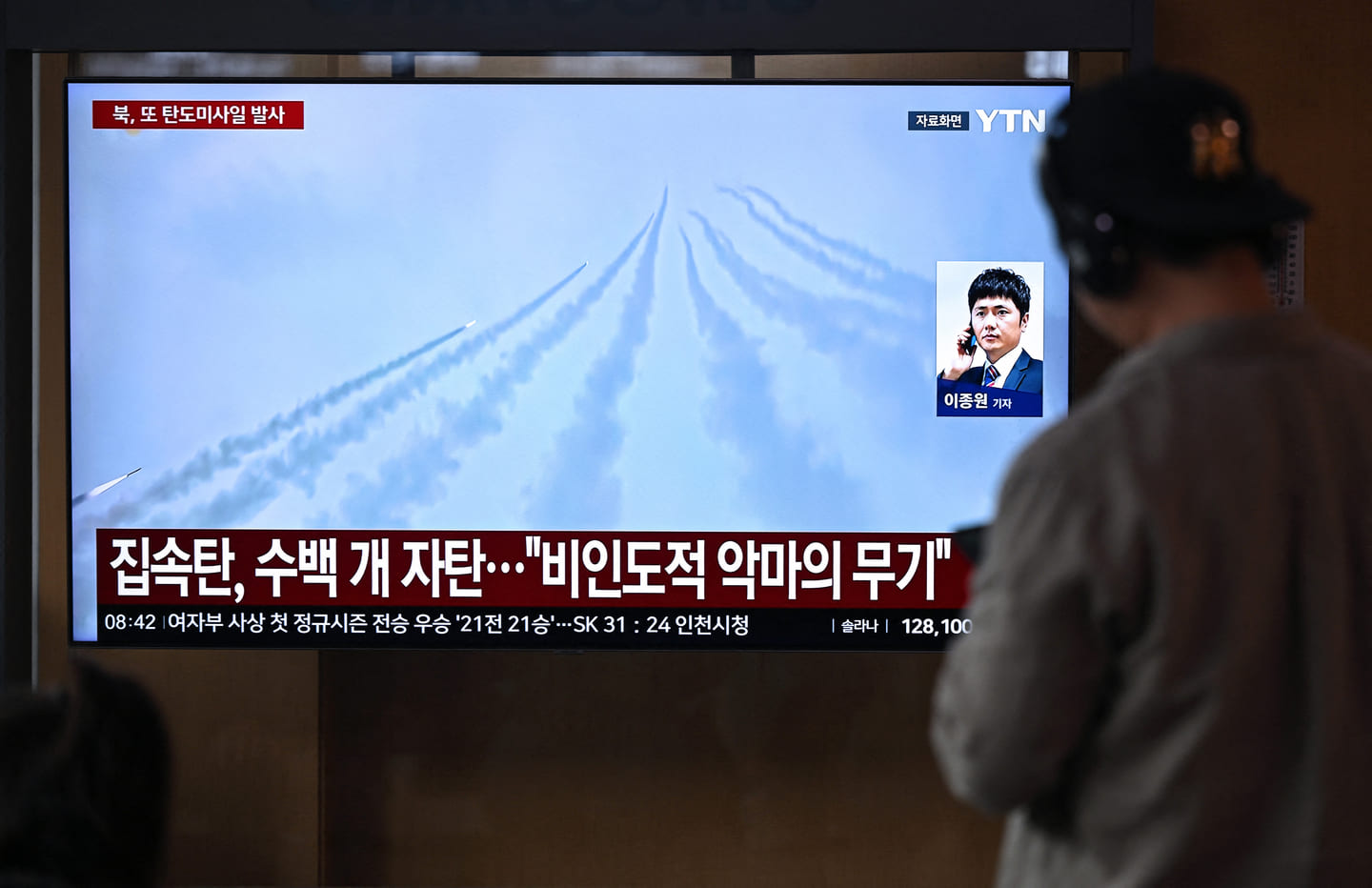
Troubled by the growing salience of nuclear debates in East Asia, Moscow has responded in its usual way: with condemnation and threats. But by exacerbating insecurity, Russia is forcing South Korea and Japan to consider radical security options.

James D.J. Brown
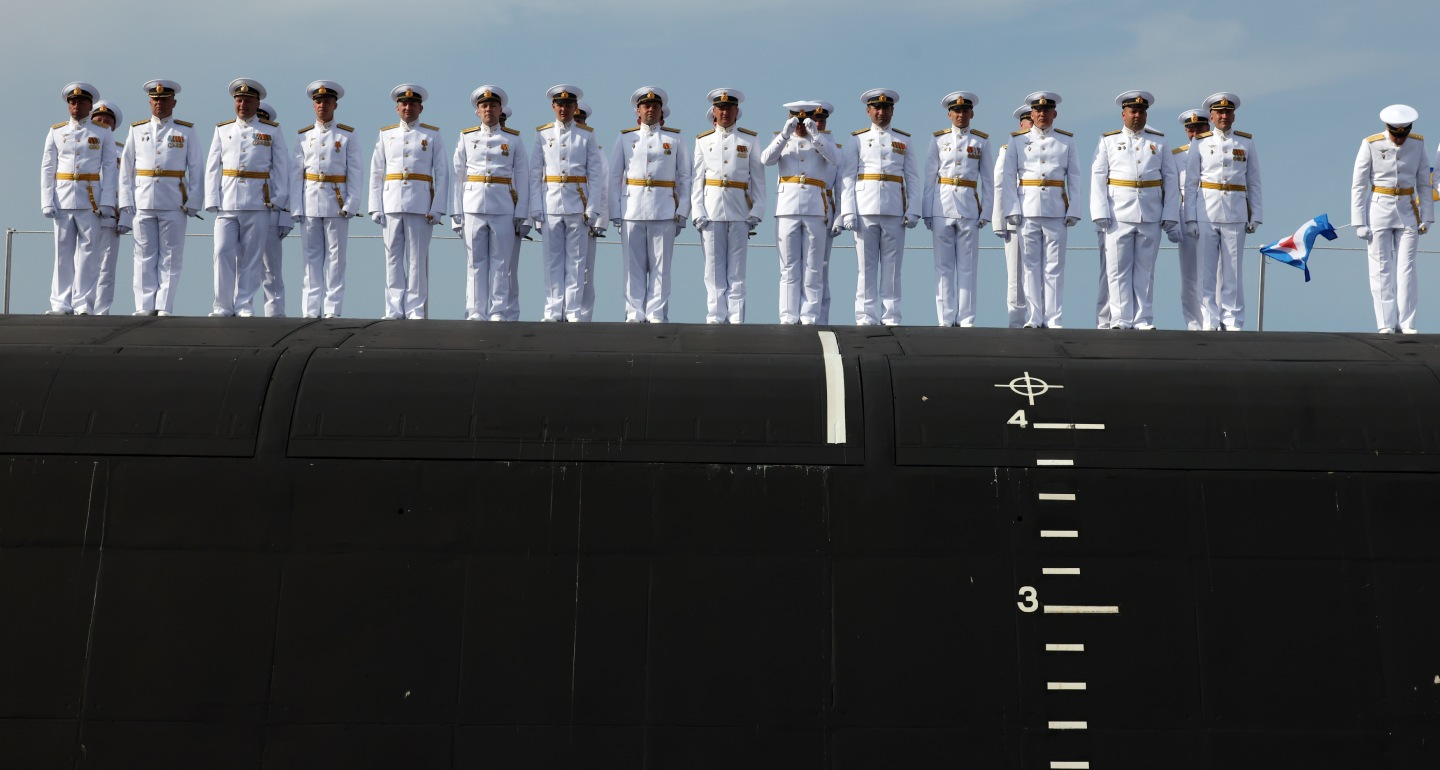
For Putin, upgrading Russia’s nuclear forces was a secondary goal. The main aim was to gain an advantage over the West, including by strengthening the nuclear threat on all fronts. That made growth in missile arsenals and a new arms race inevitable.

Maxim Starchak
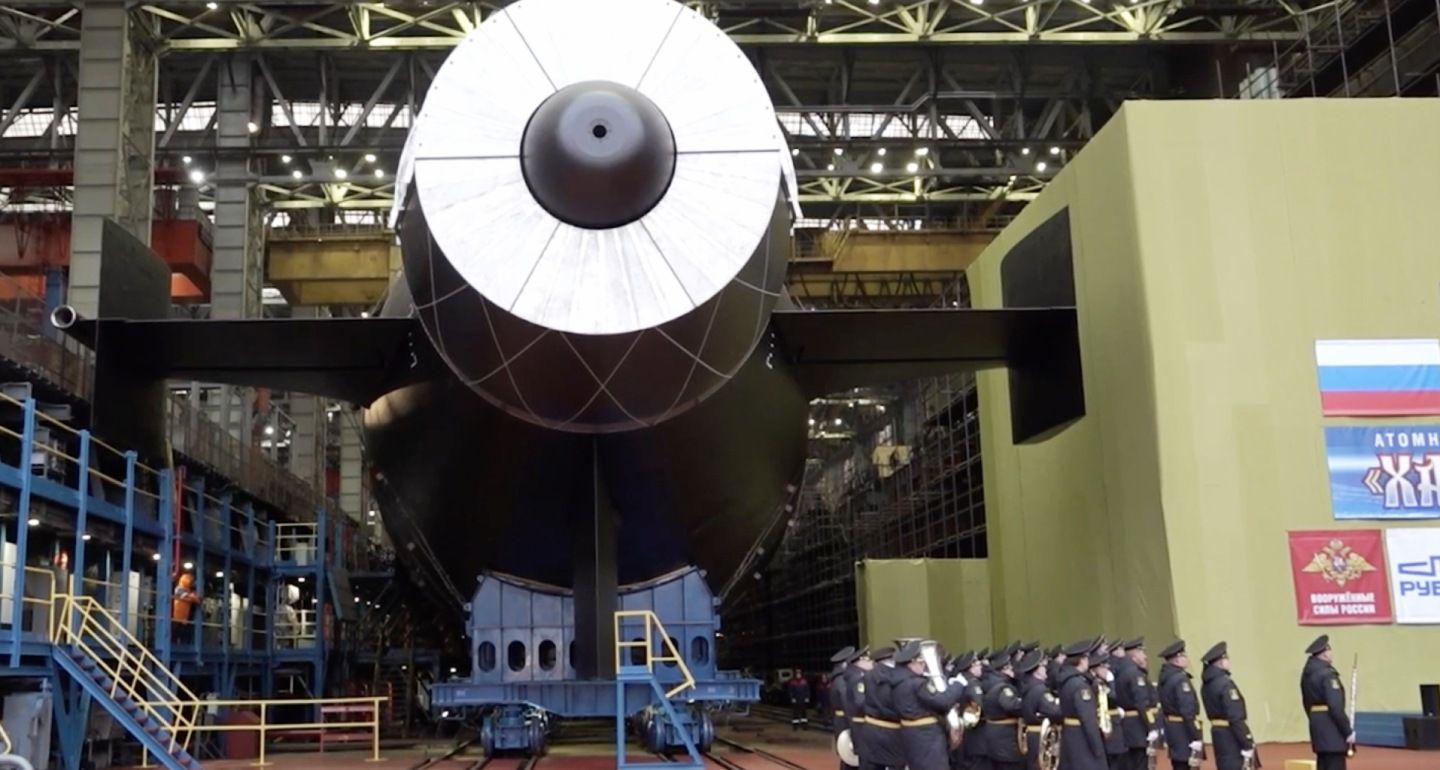
The Kremlin will only be prepared to negotiate strategic arms limitations if it is confident it can secure significant concessions from the United States. Otherwise, meaningful dialogue is unlikely, and the international system of strategic stability will continue to teeter on the brink of total collapse.
Maxim Starchak
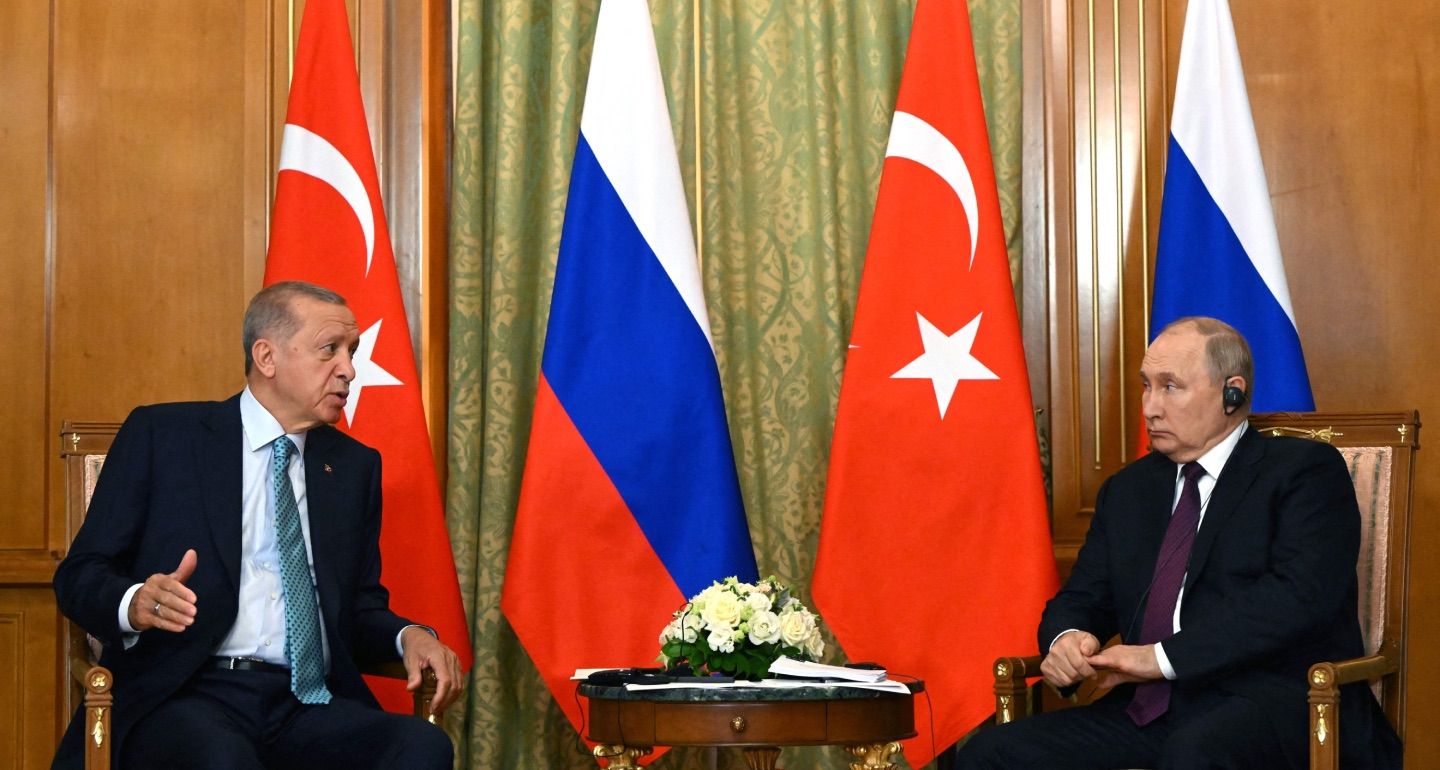
Mutual suspicion between Moscow and Ankara is growing as Türkiye cozies up to Washington and NATO while reducing its dependence on Russian energy.

Ruslan Suleymanov
Tehran’s most urgent task is to reduce the risk of further Israeli and U.S. airstrikes. Russia’s role as a deterrent in this respect is more multifaceted than simply supplying weapons, whose real impact will only become apparent many years from now.

Nikita Smagin