

Other
Fiona Hill, Anatol Lieven, Thomas de Waal
{
  "authors": [
    "Anatol Lieven"
  ],
  "type": "legacyinthemedia",
  "centerAffiliationAll": "dc",
  "centers": [
    "Carnegie Endowment for International Peace"
  ],
  "collections": [],
  "englishNewsletterAll": "ctw",
  "nonEnglishNewsletterAll": "",
  "primaryCenter": "Carnegie Endowment for International Peace",
  "programAffiliation": "russia",
  "programs": [
    "Russia and Eurasia"
  ],
  "projects": [],
  "regions": [
    "Caucasus",
    "Russia"
  ],
  "topics": [
    "Security",
    "Foreign Policy"
  ]
}
REQUIRED IMAGE
Source: Carnegie
By
Originally published in November 11, 2002 issue of NEWSWEEK
INTERNATIONAL
The hostage crisis in Moscow has been called “Russia’s 9-11.” That’s an exaggeration, but it clearly was a dreadful shock. Though unlikely to produce radical changes in Russian policies, it will have serious repercussions in areas ranging from ethnic relations and media freedom to civil liberties and foreign policy.
CONTEMPORARY RUSSIA HAS NOT got nearly the credit it deserves for ethnic peace
and tolerance. Given the extraordinary psychological and economic disruptions
caused by the Soviet collapse, many expected an explosion of mass chauvinism.
It didn’t happen. For the most part, the former republics have all been
able to develop their national identities largely without interference from
Moscow. Only in Chechnya has national conflict erupted.
Thanks to the war—and the dominant role of Chechens and other Caucasians
in organized crime—there is widespread prejudice against Caucasians in
Russia. There have even been pogroms against them. If Russia now intensifies
operations throughout the north Caucasus to hunt down Chechen separatists and
their allies, ethnic tensions between Russians—and all the Muslim peoples
of the region—may well grow. Already, hundreds of thousands of Chechens
in Moscow and elsewhere are coming under heavy police scrutiny.
The wealthy and influential Chechen business community in Russia—permeated
by the so-called “Chechen mafia”—takes an ambiguous attitude
toward the war. Businessmen and criminal bosses have been as angry as other
Chechens at the atrocities and other losses inflicted by Russian troops, including
against their own relatives. On the other hand, economic interests dictate that
Chechnya should remain within Russia. In the past, this led to an informal deal
whereby Chechen “businessmen” promised to help prevent terrorist attacks
in Moscow, in return for promises by the authorities not to put too much pressure
on their shady dealings. But in the latest crisis, the hostage takers almost
certainly had help from local Chechens with agents in the Moscow police. As
a consequence, the Chechen business community as a whole can expect to be targeted.
The problem for Russia is that this will undermine the strategy of getting influential
Chechens to accept Russian sovereignty over Chechnya and support its pro-Russian
government.
The crisis has also produced a crackdown on the Russian media, at least when
reporting on terrorism. Undoubtedly this will spill over to wider restrictions
on critical coverage of the Chechen war—and perhaps of the Putin administration
in general. Such restrictions have been less ruthless than in many semidemocracies
of the developing world, however. Russia may be heading for a system similar
to that of Turkey during the war with Kurdish separatists, when some areas of
media discussion were entirely free, while others drew heavy sanctions.
Some of the most visible consequences may come in foreign policy. Pressure on
Georgia had intensified before the crisis, to the considerable concern of U.S.
diplomats. A key moment comes this month, when winter brings an end to major
guerrilla activity in Chechnya. In the past, hundreds of fighters and their
Arab allies have crossed the Caucasus mountains into Georgia, where they’re
safe from Russian attack. Often they’ve been helped by Georgian authorities,
to Moscow’s intense anger. If that happens again this year, Russian will
push Georgia even harder.
An invasion remains unlikely, since it would cause a major international crisis.
In any case, Russian officers admit that they simply do not have the forces
for the task. But economic sanctions are possible, coupled with limited raids,
such as those Turkey has launched in northern Iraq against Kurdish separatists.
This would have the additional effect of humiliating and destabilizing the already
shaky Georgian administration of President Eduard Shevardnadze—and send
a message throughout the region concerning the dominance of Russian power.
From the West—and especially the United States—Russia seeks collusion,
or at least a tacit agreement not to meddle. It wants America to pressure Georgia
to act effectively against Chechen guerrillas and their Arab sponsors; it dreams
of Washington classifying Chechens rebels as an enemy in the war on terror,
much like the Uighurs. Hence, Putin’s Bush-like rhetoric in the early days
of the hostage crisis.
All this is part of a coherent strategy. But there’s one problem: it’s
essentially the game plan that Moscow has been following for three years—and
it hasn’t worked. Russian officials seem to believe that, like the British
in Northern Ireland, they can wear down the Chechens’ resistance to the
point where they finally accept Russian sovereignty and lay down their arms.
But as the latest horror in Moscow indicates, the Chechen fighters and their
radical Muslim allies are vastly more ruthless than the IRA—and have much
more capacity to inflict losses and terrible humiliations. Sadly, the recent
hostage episode is unlikely to be the last.
--------------------------------------------------------------------------------
Anatol Lieven, a senior associate at the Carnegie Endowment
for International Peace in Washington, is author of “Chechnya: Tombstone
of Russian Power”
Former Senior Associate
Recent Work

Fiona Hill, Anatol Lieven, Thomas de Waal
Carnegie does not take institutional positions on public policy issues; the views represented herein are those of the author(s) and do not necessarily reflect the views of Carnegie, its staff, or its trustees.

The truth of the strategic situation is that Europe and Russia are extremely unlikely to be able to “turn the page” on their confrontation within the next two decades.
Arkady Moshes
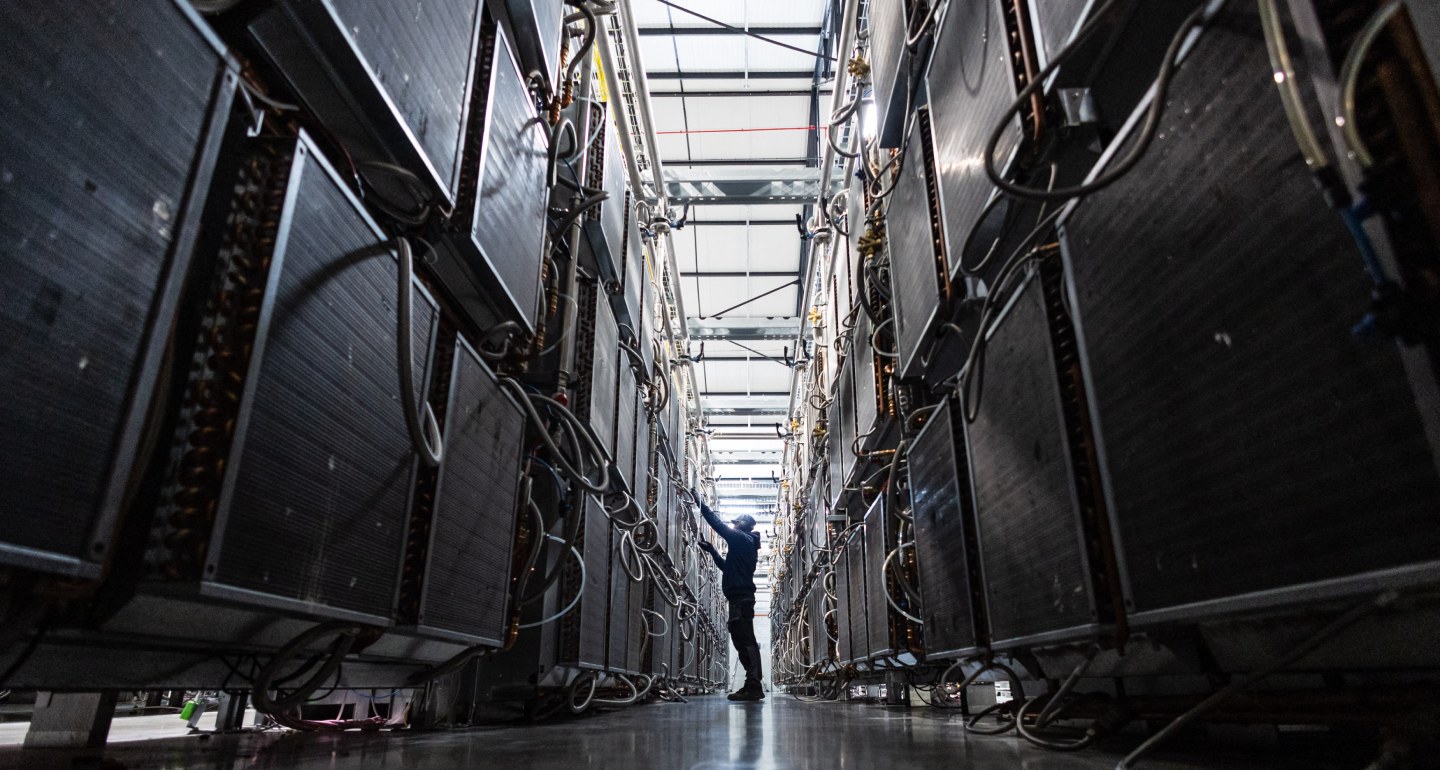
Russia spent years building a “sovereign internet,” concentrating web infrastructure exclusively within Russian territory. Ukrainian drone attacks have shown how vulnerable that approach has left the Russian internet.

Maria Kolomychenko

Putin’s conservative staffing policies and search for ever greater control have cemented parliament’s transformation into a bureaucratic appendage of the executive branch.

Andrey Pertsev

Russia’s AI-driven propaganda campaigns operate in a fragmented, chaotic, and often illogical manner. That’s not necessarily a problem for the Kremlin, though: It’s much easier to mimic genuine public debate that way.

Ilya Klishin

Without a ceasefire with Ukraine on attacking each other’s energy infrastructure—to which the Kremlin is unlikely to agree—the diesel agreement between Putin and Trump is largely for show, rather than representing a genuine increase in the volumes of Russian diesel on the global market.

Sergey Vakulenko