

In The Media
Minxin Pei
{
  "authors": [
    "Minxin Pei"
  ],
  "type": "legacyinthemedia",
  "centerAffiliationAll": "dc",
  "centers": [
    "Carnegie Endowment for International Peace"
  ],
  "collections": [],
  "englishNewsletterAll": "asia",
  "nonEnglishNewsletterAll": "",
  "primaryCenter": "Carnegie Endowment for International Peace",
  "programAffiliation": "AP",
  "programs": [
    "Asia"
  ],
  "projects": [],
  "regions": [
    "North America",
    "United States",
    "East Asia",
    "South Korea",
    "China",
    "Japan"
  ],
  "topics": [
    "Security",
    "Military"
  ]
}
Source: Getty
Next week Jiang Zemin is expected formally to cede the presidency to Hu Juntao. Will China's low-profile foreign policy change too? It is time the leadership re-evaluated the geopolitical assumptions underlying Chinese foreign policy.
Source: Financial Times

This question may strike many in Beijing as absurd. Keeping a low international profile, maintaining a stable relationship with the US and capitalising on globalisation to spur economic growth have served the country well. Why change?
Indeed, few would dispute that, on balance, Beijing's foreign policy has demonstrated increasing maturity and sophistication. Yet, China's handling of the crises in Iraq and North Korea also shows the risks and costs of passivity. It is time the leadership re-evaluated the geopolitical assumptions underlying Chinese foreign policy.
In the crises in Iraq and North Korea, the desire to keep a low profile has led China to adopt a more ambiguous stance and lose whatever influence it may have had in shaping their resolution. Unlike Russia, which has taken a more proactive approach, China has been missing in action. Its position on the use of force against Iraq is unclear. Its declared goal of keeping nuclear weapons out of the Korean peninsula has not been accompanied by visible diplomatic measures.
Inaction becomes harder to defend when one considers what is at stake for China. Its immediate economic interests in Iraq are modest. But because of its growing dependence on Middle Eastern oil, which accounts for 60 per cent of imports, it may better serve its interests by getting more actively involved and taking a clear stand. Quiescence risks marginalisation.
In dealing with an unfolding nuclear confrontation in North Korea, Beijing's inaction has disappointed its friends and irked Washington. Although it does not have to toe the US line toward Pyongyang, China needs to come up with an alternative to Washington's policy of no negotiation. If it allows the crisis to spiral out of control, it could be dragged into a nuclear maelstrom with devastating consequences for peace and prosperity in the region.
In a world where the threats from rogue states and international terrorism are at least as dangerous as rivalry among major powers, Beijing can better defend its interests by modifying its diplomatic strategy. While it should continue a policy of co-operation with the US, it must use its growing influence to assume a more active role in the international community. This may require Beijing to break some old habits, such as its aversion to substantial participation in peacekeeping missions, reluctance to increase its financial contributions to the United Nations, and abdication of any leadership role in multilateral organisations.
Chinese leadership will be necessary above all in reshaping its own volatile neighbourhood. To be sure, its initiative to establish a free-trade zone with the Association of South East Asian Nations is a good start. But Beijing can do much more to allay the fears of its neighbours about China's growing power. This may require it to adopt a new two-pronged regional strategy.
First, China should use its clout to push for regional integration and co-operation. On the top of this agenda should be expanded regional free trade. Despite Tokyo's lukewarm response to Beijing's proposal for a Japan-China-Asean free trade agreement, China should continue to push this initiative.
Second, Beijing needs to mend its frayed ties with Tokyo, where sinophobia is at a feverish level. To reassure Japan, China must be more transparent about its military modernisation, stop using Japan's war guilt as a diplomatic tool, and start treating it as a full co-equal partner in maintaining peace and prosperity in East Asia. A genuine Sino-Japanese reconciliation is the requisite for regional collective security.
No doubt, this may seem an ambitious agenda for China's new foreign policy team. It also goes against ingrained thinking in Beijing's diplomatic strategy. But if Chinese leaders do not seize the current opportunity to reshape their regional environment, others will do it for them - and not necessarily to their liking.
Originally published in the Financial Times.

Former Adjunct Senior Associate, Asia Program
Pei is Tom and Margot Pritzker ‘72 Professor of Government and the director of the Keck Center for International and Strategic Studies at Claremont McKenna College.
Recent Work
Minxin Pei
Minxin Pei
Carnegie does not take institutional positions on public policy issues; the views represented herein are those of the author(s) and do not necessarily reflect the views of Carnegie, its staff, or its trustees.

With the growth in points of friction between the great powers, organizations like the SCO will continue to play a role in the strategic adaptation of the smaller powers caught between them.

Temur Umarov

Two divergent trends—Putin’s hardline vision of how to prosecute the war in Ukraine, and a growing desire for change in Russia—could tear the regime apart.

Tatiana Stanovaya

Andrey Melnichenko’s essay offers no answer to the fundamental question of how, under any kind of negotiated settlement, Europe can protect itself from the Russian ressentiment that is inevitable in all scenarios except for an outright victory for Putin.

Leonid Bershidsky
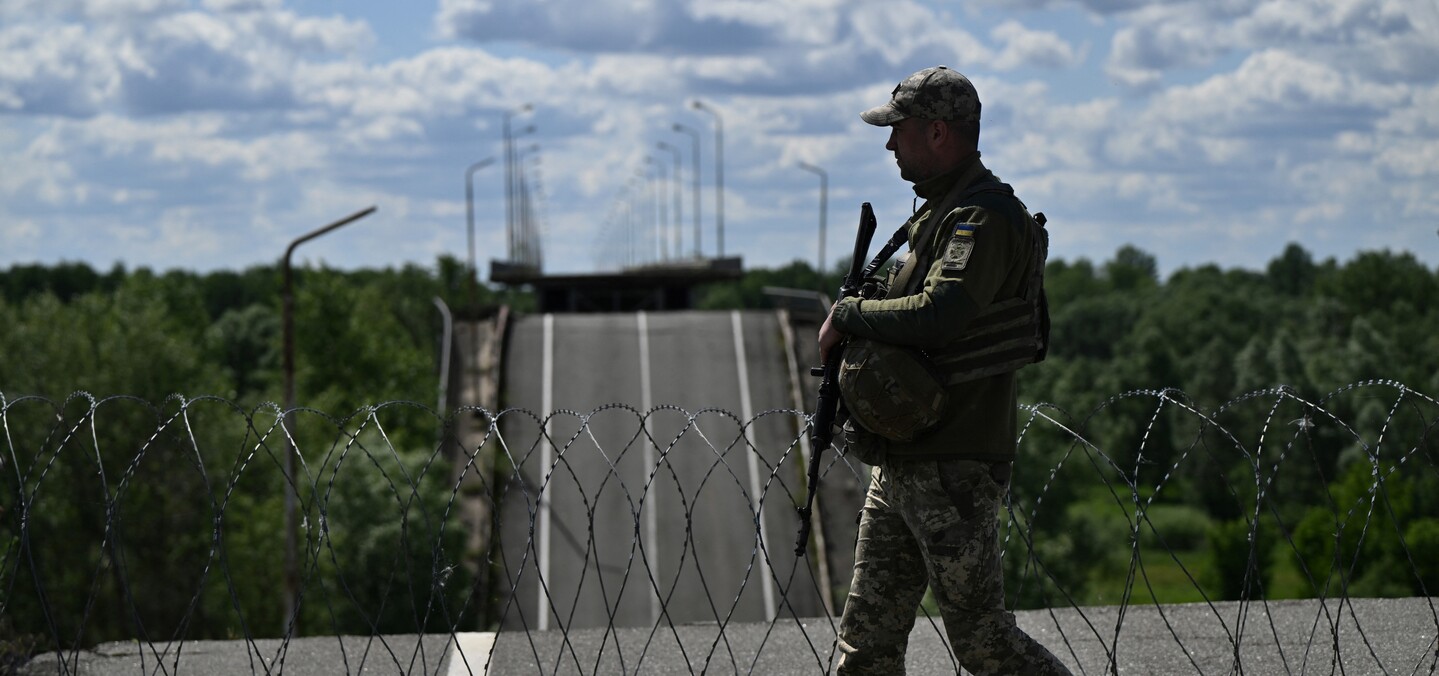
The recent damage inflicted by Ukrainian drones and missiles on Russia has made Belarus aware of its own vulnerabilities—and surprisingly amenable to Kyiv’s demands.

Artyom Shraibman
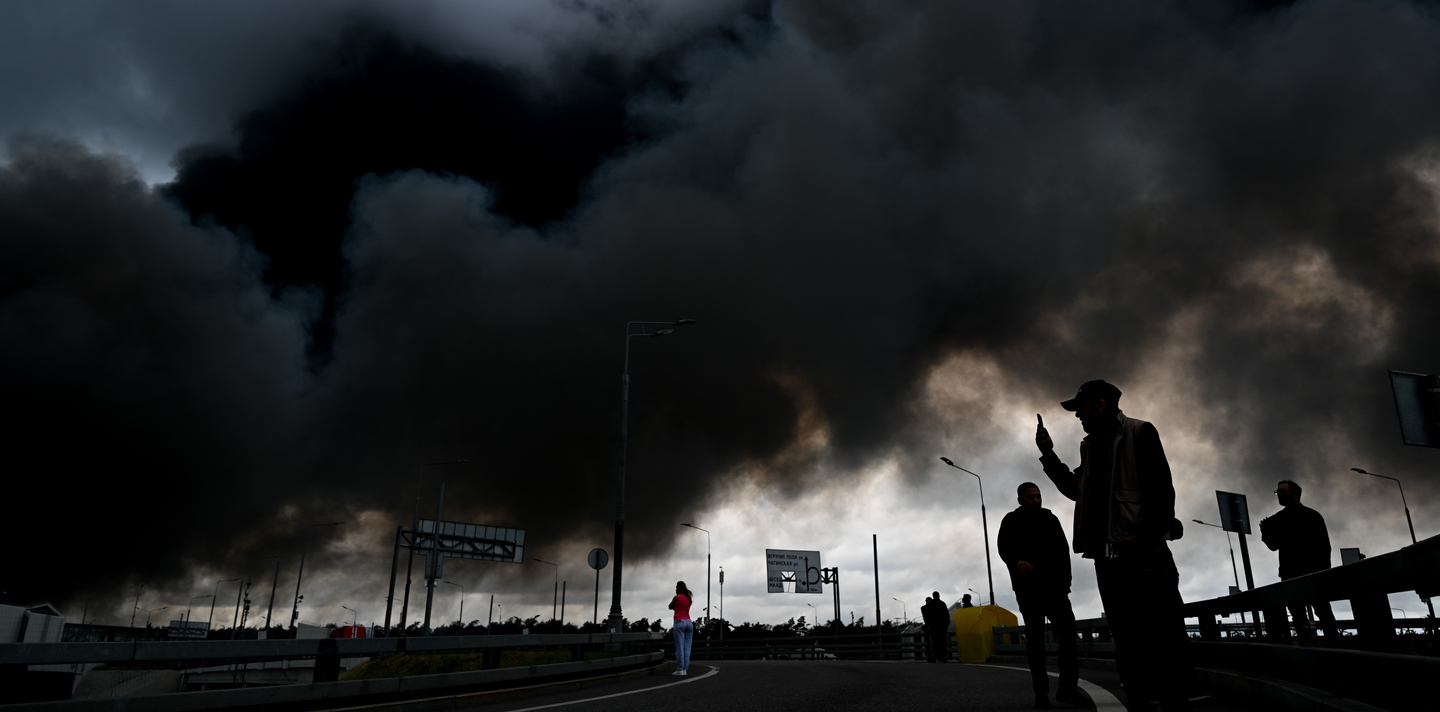
It is not a phenomenon unique to Russia that the public of a country at war (even the aggressor) enduring airstrikes will not overturn its government but rather show solidarity with it and blame its woes on the enemy.

Vladislav Gorin