

In The Media
Jessica Tuchman Mathews
{
  "authors": [
    "Jessica Tuchman Mathews"
  ],
  "type": "legacyinthemedia",
  "centerAffiliationAll": "",
  "centers": [
    "Carnegie Endowment for International Peace"
  ],
  "collections": [],
  "englishNewsletterAll": "",
  "nonEnglishNewsletterAll": "",
  "primaryCenter": "Carnegie Endowment for International Peace",
  "programAffiliation": "",
  "programs": [],
  "projects": [],
  "regions": [
    "Middle East",
    "Iraq"
  ],
  "topics": [
    "Security",
    "Military",
    "Foreign Policy",
    "Nuclear Policy",
    "Nuclear Energy"
  ]
}
Source: Getty
Before attention is lost in the controversies over the war itself and in the challenges of its aftermath, the UN must capture, clarify, and publicize the record of international inspections in Iraq: for itself, for member governments, and for the public.
Source: Global Governance

Before attention is lost in the controversies over the war itself and in the
challenges of its aftermath, the UN must capture, clarify, and publicize
the record of international inspections in Iraq: for itself, for member
governments, and for the public. Was the process encompassing the UN
Special Commission (UNSCOM), the International Atomic Energy
Agency (IAEA), and the UN Monitoring, Verification and Inspection
Commission (UNMOVIC) from 1991 to 2003 a success? Or was it the
bumbling embarrassment, the “sham,” portrayed by top U.S. officials
and still understood that way by the American public—and perhaps by
the public elsewhere?
Click here for full text
Reprinted by permission of Global Goverance, (Vol 10,
Issue 3, July-Sept. 2004), Lynne Rienner Publishers.

Distinguished Fellow
Mathews is a distinguished fellow at the Carnegie Endowment for International Peace. She served as Carnegie’s president for 18 years.
Recent Work
Jessica Tuchman Mathews
Jessica Tuchman Mathews
Carnegie does not take institutional positions on public policy issues; the views represented herein are those of the author(s) and do not necessarily reflect the views of Carnegie, its staff, or its trustees.
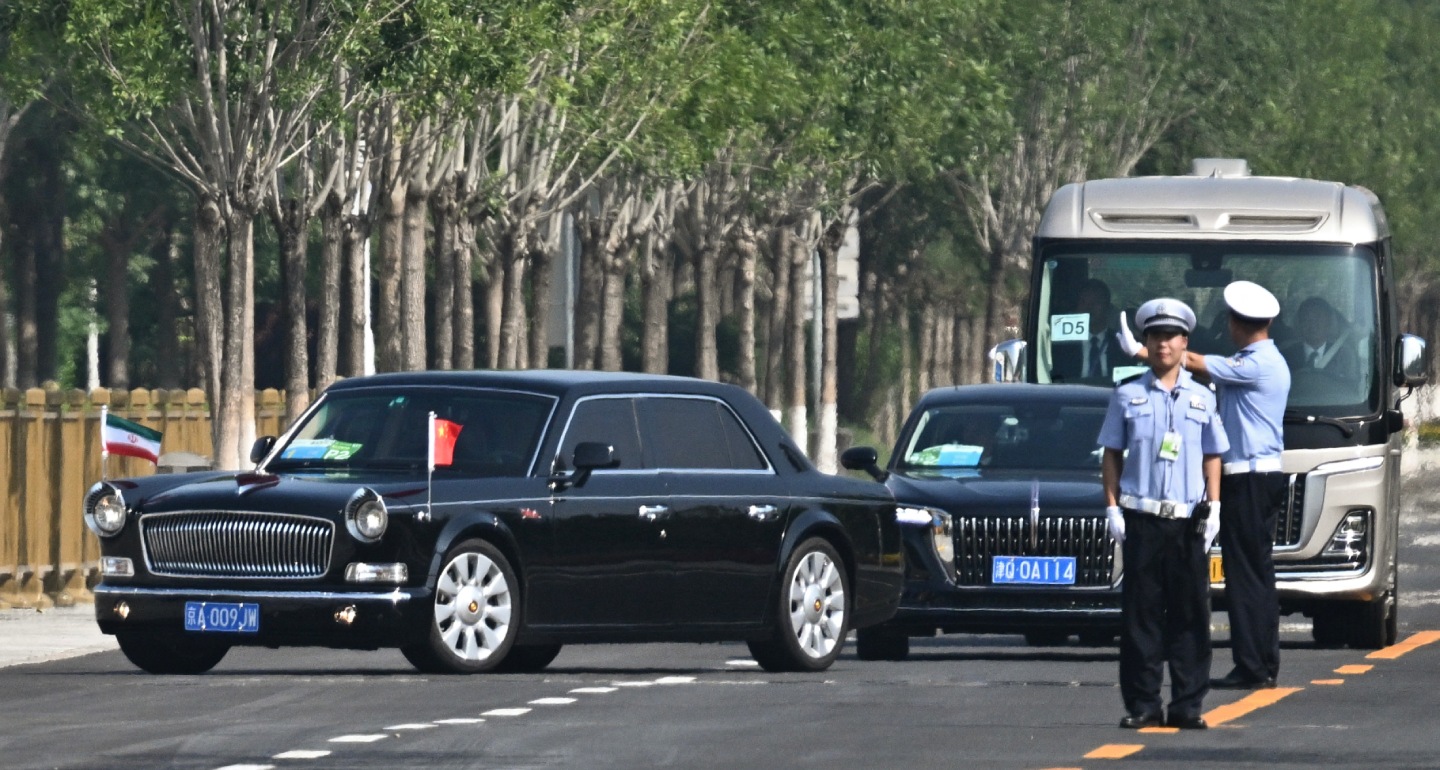
Most of Moscow’s military resources are tied up in Ukraine, while Beijing’s foreign policy prioritizes economic ties and avoids direct conflict.


Alexander Gabuev, Temur Umarov
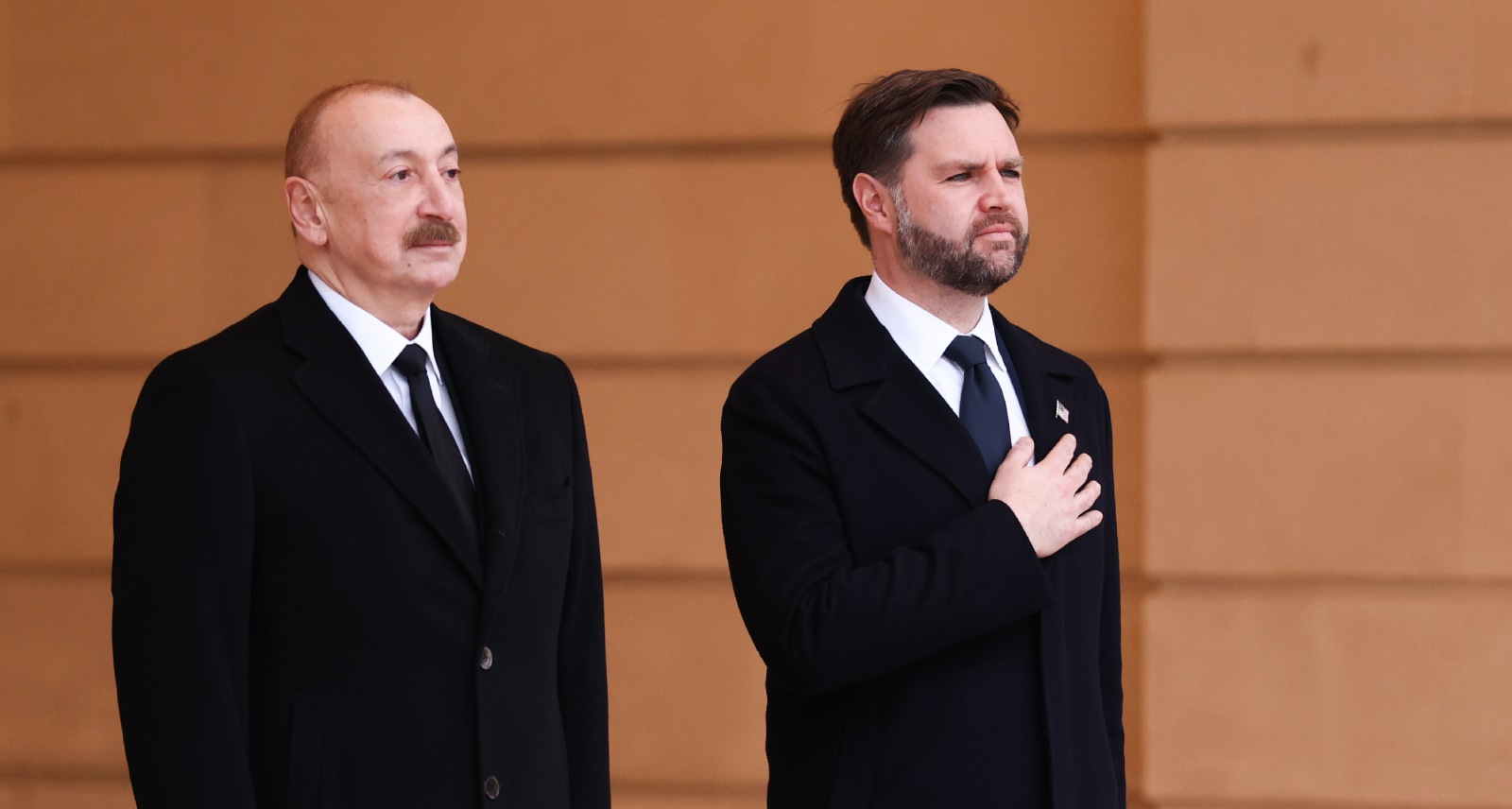
With the White House only interested in economic dealmaking, Georgia finds itself eclipsed by what Armenia and Azerbaijan can offer.

Bashir Kitachaev
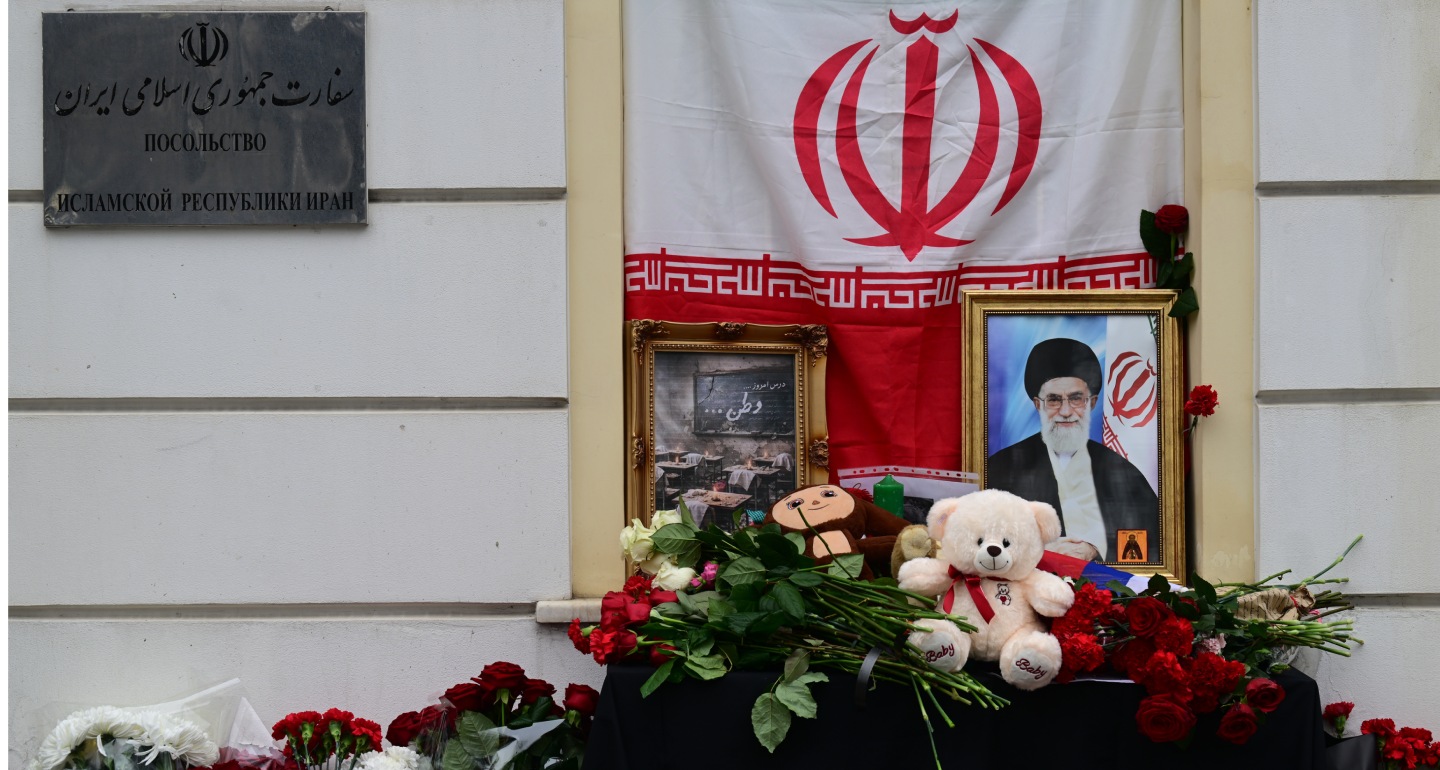
If the regime in Tehran survives, it could be obliged to hand Moscow significant political influence in exchange for supplies of weapons and humanitarian aid.

Nikita Smagin

The interventions in Iran and Venezuela are in keeping with Trump’s strategy of containing China, but also strengthen Russia’s position.

Mikhail Korostikov
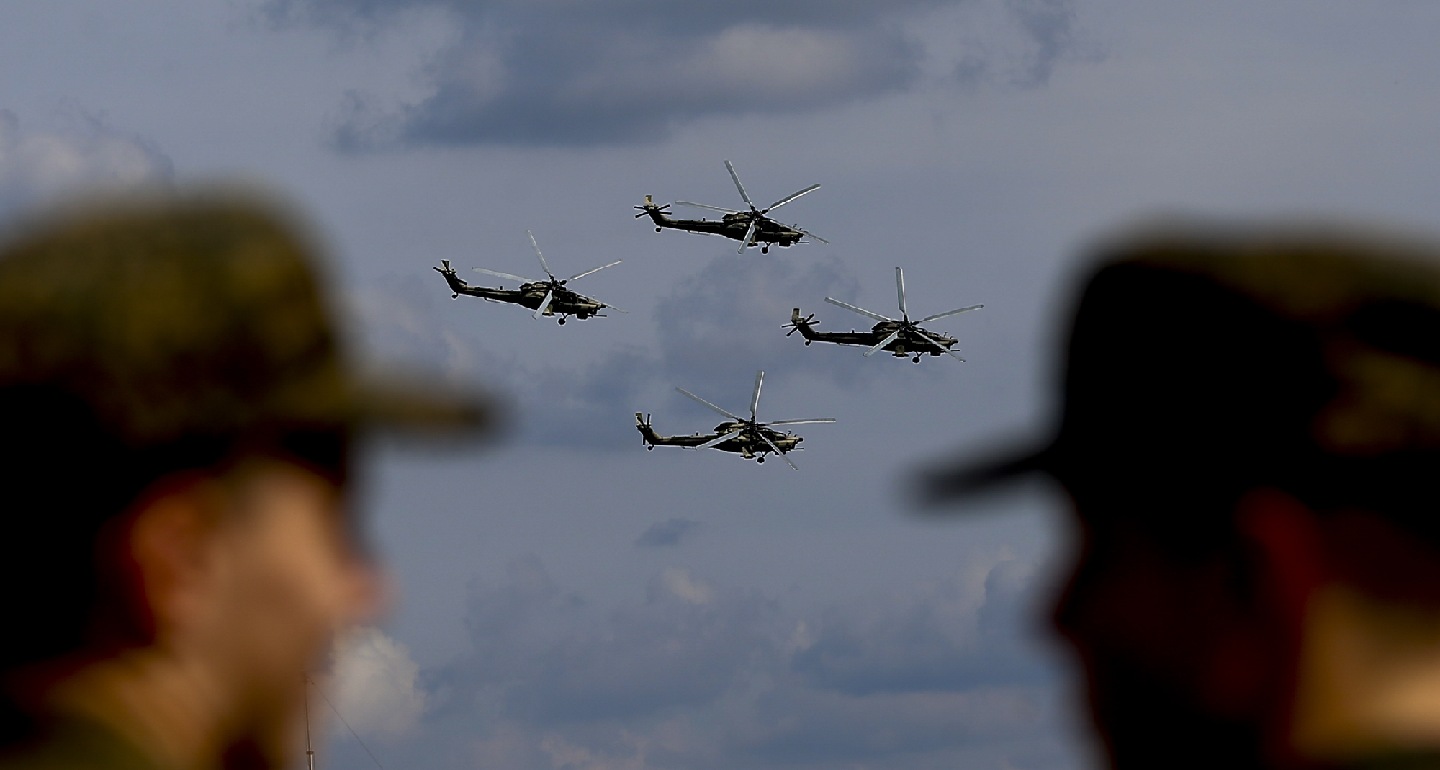
Arms supplies from Russia to Iran will not only continue, but could grow significantly if Russia gets the opportunity.
Nikita Smagin