

Article
Marina Ottaway, Omar Hossino
{
  "authors": [
    "Marina Ottaway"
  ],
  "type": "legacyinthemedia",
  "centerAffiliationAll": "dc",
  "centers": [
    "Carnegie Endowment for International Peace"
  ],
  "collections": [],
  "englishNewsletterAll": "democracy",
  "nonEnglishNewsletterAll": "",
  "primaryCenter": "Carnegie Endowment for International Peace",
  "programAffiliation": "DCG",
  "programs": [
    "Democracy, Conflict, and Governance",
    "Middle East"
  ],
  "projects": [],
  "regions": [
    "North America",
    "United States",
    "Middle East",
    "Iraq"
  ],
  "topics": [
    "Political Reform",
    "Democracy",
    "Foreign Policy"
  ]
}
REQUIRED IMAGE
Source: Financial Times
The Bush administration appears to be pursuing two policies in Iraq. One is not working, as demonstrated by the escalating violence in the country. The second might make a difference but is being undermined by the first.The first policy is the official one, pursued since March 2004. This policy is taking Iraq through a series of formal steps that, theoretically, will turn it into a democratic state. Key elements of this process included the formal return of sovereignty to Iraq on June 28 2004, the January election, and the subsequent formation of the new government. Still to come is the writing of the constitution by August 15, followed by a referendum on the constitution and elections for the new, permanent parliament by the end of the year. All steps have so far been followed and all deadlines met. The Bush administration insists that even the writing of the constitution should take place without delay although, with only four weeks to go, Iraqis have not solved any of the major issues that divide them.
The policy is simply not working. With every step, the Bush administration predicted that the political dynamics of Iraq would be altered, that people would rally behind the government and the insurgency would be isolated. None of the predictions has come true. Iraqis are as divided as ever; the insurgency, as the US military readily admits, is as dangerous as ever. In fact, the recent escalation of terrorist attacks suggests the situation might be worsening. Training of a new Iraqi army and police is proceeding slowly, with many setbacks. Reconstruction is at a virtual standstill and daily life remains grim.
The second policy, which the administration has been pursuing quietly and admits to only grudgingly in public, looks at the stabilisation of Iraq not as a process of formal democracy-building but as an attempt at peace negotiations. The US government has been trying to bring in Sunnis, who are still on the margins of the country’s political life. It is not clear how far the US is willing to go in this process; for example, whether it has been meeting with insurgents or only with people who are in contact with the leaders of the insurgency, or simply with Sunni representatives. No matter to whom the US and the Iraqi government are talking, dialogue and negotiations are the right way to proceed. Iraq is in the midst of a violent domestic conflict; we may not like the term civil war but the situation in Iraq – as evidenced by the carnage of recent days – is beginning to smell like one. A conflict is not solved by holding elections but by talks and negotiations. For that reason, we should hope that the administration is, indeed, talking to insurgents. As Nelson Mandela once reminded African National Congress members who criticised him for talking to F.W. de Klerk, you negotiate with your enemies, not with your friends.
It is not certain that a conflict resolution approach will bear fruit. The ethnic, religious and political rifts uncovered by the demise of Saddam Hussein run deep. But even the US military admits that there is no purely military solution to the stabilisation of Iraq, although a military presence is a component of any solution. With the formal democratic process having utterly failed to create a positive political dynamic, talks are the only hope for a settlement. Far from pursuing such talks secretively and showing embarrassment when the information enters the public domain, the promotion of broad-based dialogue and negotiations among Iraqis should become the main goal of the administration.
The insistence by the US that the deadline for writing the constitution be met undermines the possibility of broad-based discussions and negotiations. One policy undercuts the other. Four weeks is not long enough even to start a true process of negotiations and reconciliation, let alone to bring it to a successful completion. But the longer the formal process goes on, the less time is left for discussions and the less likely it becomes that at least some of the insurgents will decide to participate in a political process.
It is time for the Bush administration to admit that the formal process it is pursuing in Iraq is failing, even as deadlines are being met. Rather than trying to squeeze the writing of the constitution into a four-week period, the administration needs to concentrate on broadening the consultation among Iraqi political forces. Right now, Iraq needs a loya jirga – or grand council – of sorts, not a hastily written constitution and another rushed, formalistic political process.
The writer is a senior associate in the Democracy and Rule of Law Project at the Carnegie Endowment for International Peace
Originally published in the Financial Times, July 20, 2005
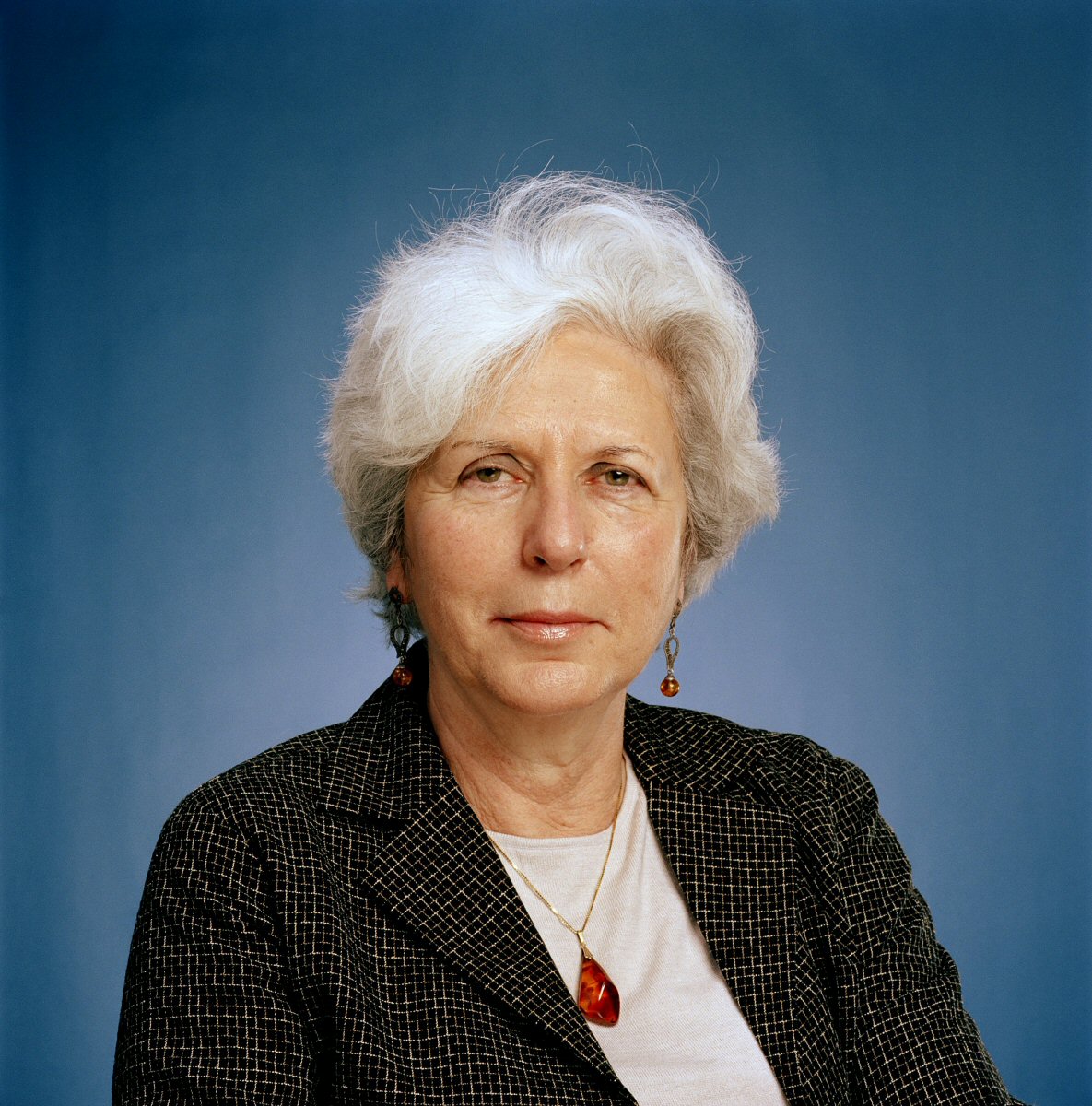
Former Senior Associate, Middle East Program
Before joining the Endowment, Ottaway carried out research in Africa and in the Middle East for many years and taught at the University of Addis Ababa, the University of Zambia, the American University in Cairo, and the University of the Witwatersrand in South Africa.
Recent Work
Marina Ottaway, Omar Hossino
Marina Ottaway
Carnegie does not take institutional positions on public policy issues; the views represented herein are those of the author(s) and do not necessarily reflect the views of Carnegie, its staff, or its trustees.

Two divergent trends—Putin’s hardline vision of how to prosecute the war in Ukraine, and a growing desire for change in Russia—could tear the regime apart.

Tatiana Stanovaya
Ultimately, Zelensky sided neither with the reform camp nor with the military establishment as such, but with political control.

Balázs Jarábik
Tokayev’s predecessor, Nursultan Nazarbayev, outlined arrangements for a power transition too soon and in too much detail, ultimately losing control over the process. Tokayev is determined not to meet the same fate.

Temur Umarov

Despite unhappiness on the ground, Moscow is determined to use both carrot and stick to ensure there is record support for United Russia in occupied Ukraine.

Konstantin Skorkin
Whether PAS can refocus on the unfinished business of state-building may ultimately prove more consequential for Moldova’s European future than the pace of its accession negotiations.
Balázs Jarábik