

In The Media
David Rothkopf
{
  "authors": [
    "David Rothkopf"
  ],
  "type": "legacyinthemedia",
  "centerAffiliationAll": "dc",
  "centers": [
    "Carnegie Endowment for International Peace"
  ],
  "collections": [],
  "englishNewsletterAll": "asia",
  "nonEnglishNewsletterAll": "",
  "primaryCenter": "Carnegie Endowment for International Peace",
  "programAffiliation": "AP",
  "programs": [
    "Asia"
  ],
  "projects": [],
  "regions": [
    "China",
    "East Asia"
  ],
  "topics": [
    "Economy",
    "Trade",
    "Military",
    "Political Reform",
    "Domestic Politics",
    "Security"
  ]
}
REQUIRED IMAGE
Source: Washington Post
A debate over values is coloring the most important relationship on the planet. It is a debate that transcends in importance even the chasm between the U.S.-led West and radical Islam. This debate is the one that is at the fault line in the relationship between the United States and China .
In recent weeks we have seen new fissures emerge in the relationship. The two giants are eyeball to eyeball on the commercial playing field, and not only has neither blinked but both are seeing just how complex their problem really is.
On one front, U.S. tech companies are grappling with how much market share their souls are worth as they have been asked by the communist leadership to help censor the Internet in exchange for a better shot at tapping the Chinese market. Naturally, when this behavior draws criticism, both the Chinese government and the companies argue that it is a private-sector deal and an internal affair for the Chinese government to decide.
Meanwhile, American legislators are reacting in horror as a Chinese national oil company makes a bid to buy U.S.-owned Unocal. Consequently, even as we urge free-market reforms in China , we send the message that we're still undecided about how free is free at home.
In many respects the big question in this growing confrontation is not whether the values of one side will win out but whether we end up with an international system in which all are required to play by common rules.
The conundrum for China and the United States is made much more complex by the fact that they are increasingly interdependent. Indeed, we are becoming battling Siamese twins, linked together by financial and trade arteries that cannot be severed without endangering both parties. China plays an important role in helping to fund America 's national debt. U.S. trade and investment play a similarly important role in helping to fund China 's growth and stability.
The solution to U.S.-China tensions comes precisely in understanding how tightly linked these two powers are. Old-fashioned competition and confrontation are simply not options. If we determine that our divergent values argue for weakening the international system of law, selectively applying it when it is in our interest, trying to preserve our double standard of "home" and "away" rules, then it will erode decades of progress in this area. On the other hand, if we embrace interdependence and the change it brings -- and consistently apply all our principles as uniformly as possible -- then we are likely to build on that progress and create a more stable, law-guided and free international community.
The first step is recognizing everyone's hypocrisy. China (and U.S. companies operating there) cannot seek to profit from the global system and then be surprised or offended when repressive practices have political consequences or produce a backlash. The United States cannot seek Chinese capital to underwrite its debts or promote free markets in China and then argue that we won't take certain kinds of Chinese money, thus embracing protectionism at home. Especially when the arguments being used are so flimsy and inconsistent with our treatment of other countries. (For example, how hypocritical is it to assail Chinese acquisition of a U.S. oil company when almost all other oil companies are deeply involved with the corrupt, often dangerously hostile or unstable ruling elites of the Middle East ?)
Of course, in the end, we all value survival above everything else. We should recognize that the issues at the core of U.S. concern over the Unocal deal and the pressing needs that lead the Chinese to pursue it are the same ones behind our problems in the Middle East . They are centered on the competition for energy resources.
If we were all to recognize our joint interest in finding alternatives to dependence on these scarce resources and apply the collective resources of the world's leading powers to that search, then our future might be defined by our shared sense of values -- more than by the frustrating differences that currently threaten the interests of both the United States and China.
The writer, a visiting scholar at the Carnegie Endowment for International Peace, is the author of "Running the World: The Inside Story of the National Security Council and the Architects of American Power." He was a deputy undersecretary of commerce in the Clinton administration.

Former Visiting Scholar
David Rothkopf was a visiting scholar at the Carnegie Endowment as well as the former CEO and editor in chief of the FP Group.
Recent Work
David Rothkopf
David Rothkopf
Carnegie does not take institutional positions on public policy issues; the views represented herein are those of the author(s) and do not necessarily reflect the views of Carnegie, its staff, or its trustees.
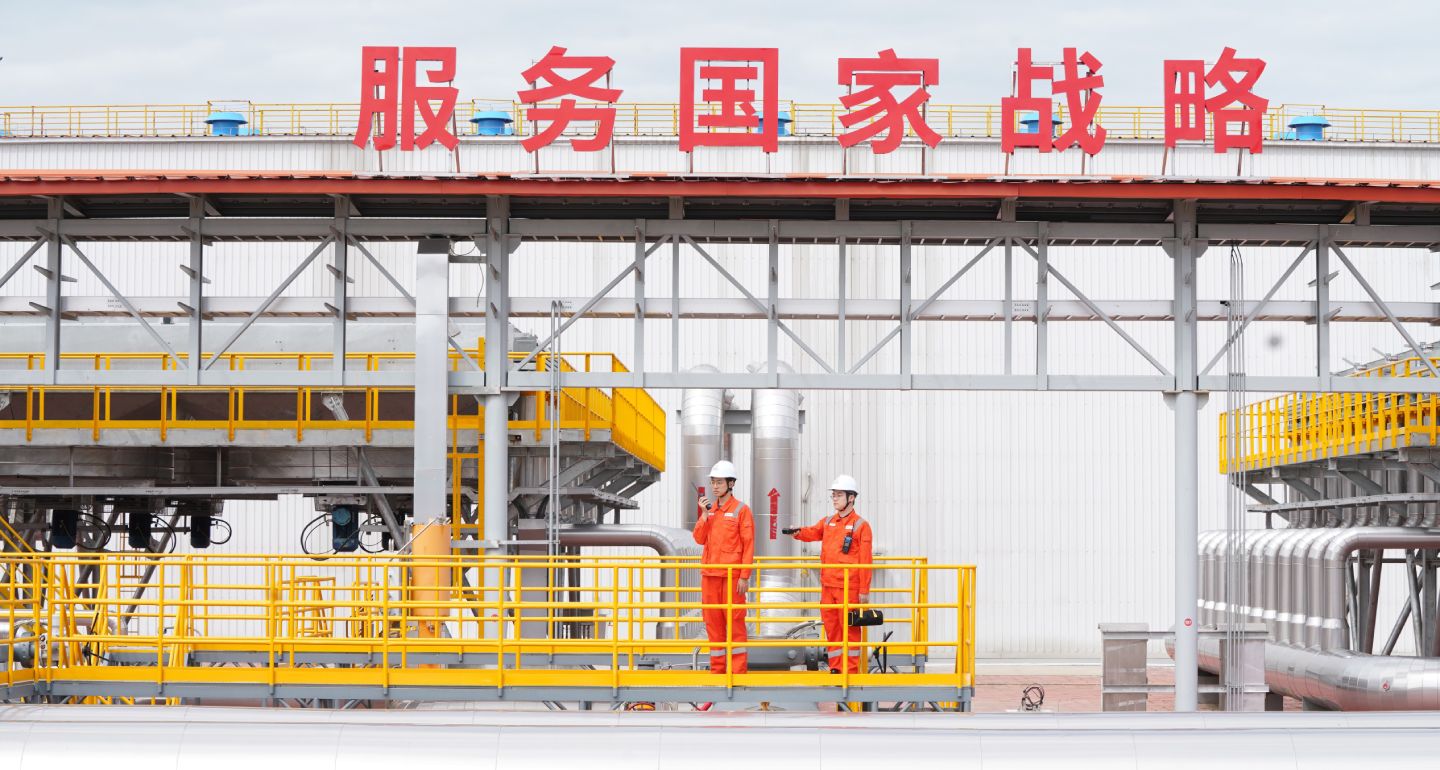
A leak of Russian gas price data helps establish that China is paying Russia far less than Central Asian countries and Gazprom’s former European customers.

Sergey Vakulenko

Japan’s long-term security policy is driven by concerns about China, and there is little appetite for (or interest in) pursuing a confrontation with Moscow.

James D.J. Brown

The truth of the strategic situation is that Europe and Russia are extremely unlikely to be able to “turn the page” on their confrontation within the next two decades.

Arkady Moshes
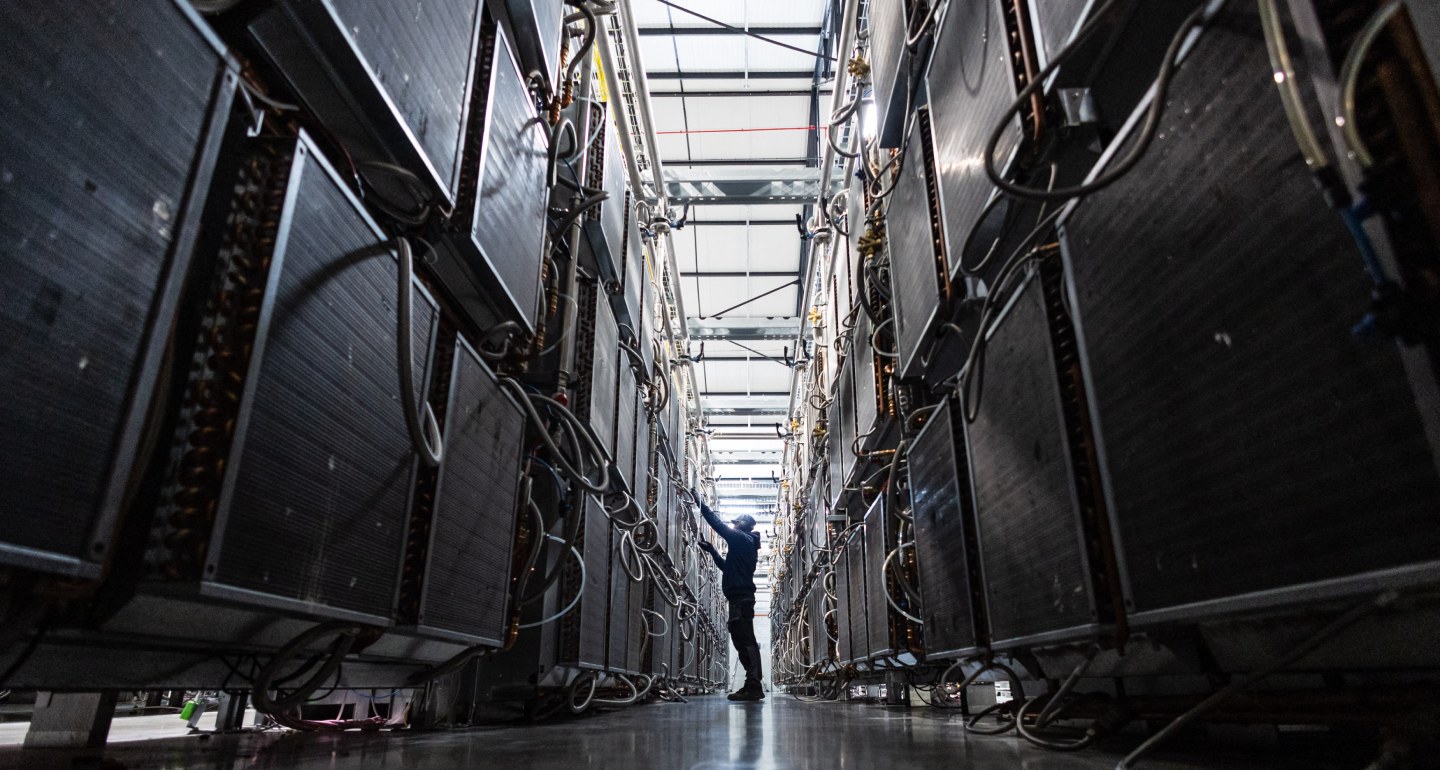
Russia spent years building a “sovereign internet,” concentrating web infrastructure exclusively within Russian territory. Ukrainian drone attacks have shown how vulnerable that approach has left the Russian internet.

Maria Kolomychenko

Putin’s conservative staffing policies and search for ever greater control have cemented parliament’s transformation into a bureaucratic appendage of the executive branch.

Andrey Pertsev