

In The Media
Martha Brill Olcott
{
  "authors": [
    "Martha Brill Olcott"
  ],
  "type": "legacyinthemedia",
  "centerAffiliationAll": "dc",
  "centers": [
    "Carnegie Endowment for International Peace"
  ],
  "collections": [],
  "englishNewsletterAll": "ctw",
  "nonEnglishNewsletterAll": "",
  "primaryCenter": "Carnegie Endowment for International Peace",
  "programAffiliation": "russia",
  "programs": [
    "Russia and Eurasia"
  ],
  "projects": [],
  "regions": [
    "China",
    "Central Asia",
    "Kazakhstan",
    "Kyrgyz Republic",
    "Caucasus",
    "Russia",
    "Azerbaijan"
  ],
  "topics": [
    "Military",
    "Foreign Policy"
  ]
}
REQUIRED IMAGE
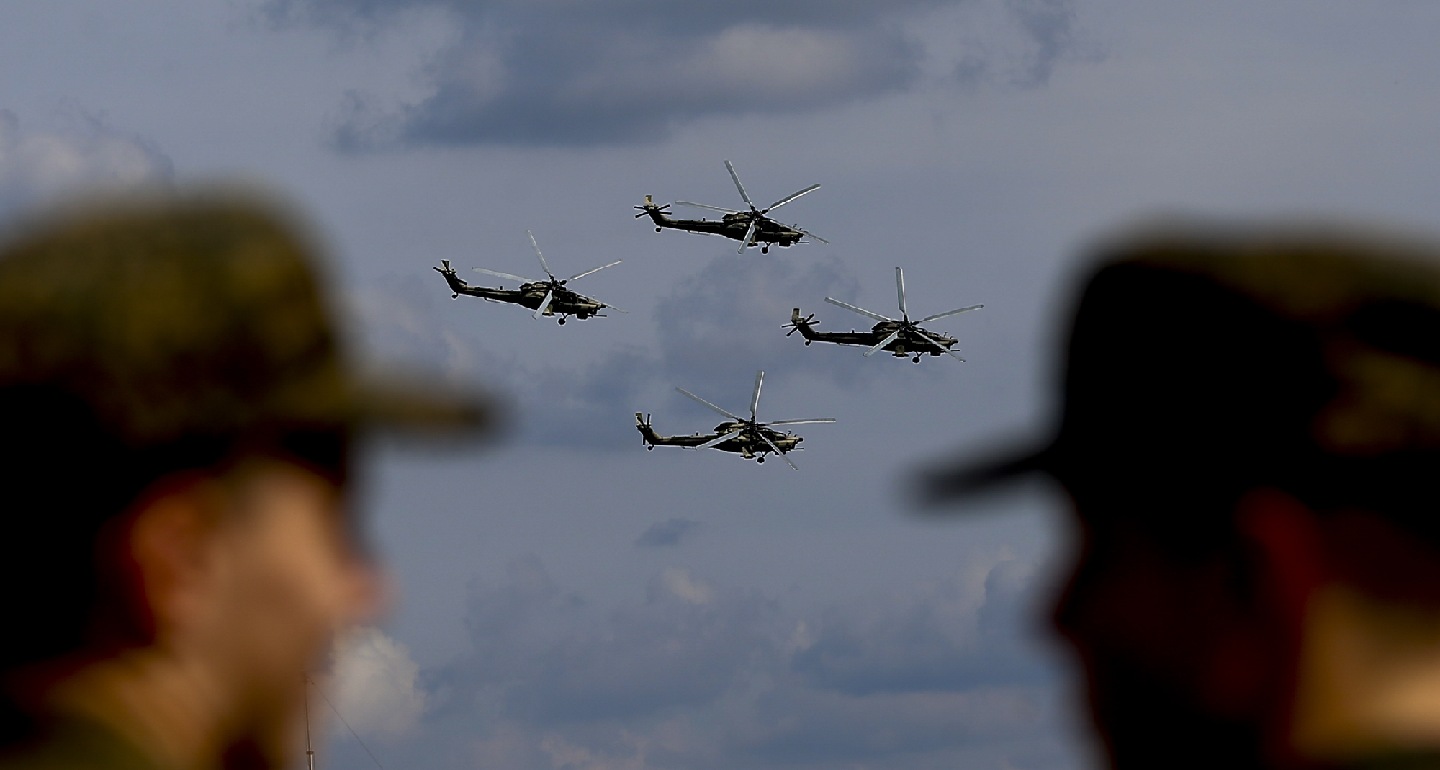
For the past decade Central Asia has been cast as the site of a new "great game," with the United States vying for influence with Russia and China.
Source: Current History
For the past decade Central Asia has been cast as the site of a new "great game," with the United States vying for influence with Russia and China. The label first reemerged when the United States began pushing hard for the creation of an oil pipeline route through Azerbaijan, Georgia, and Turkey (the Baku-Tbilisi-Ceyhan pipeline) as an alternative to shipping Caspian oil and gas through Russia or Iran. Many thought that the opening of US bases in Uzbekistan and Kyrgyzstan and increased military cooperation with the region's three other states--all part of the strategic deployment designed to oust the Taliban and then rebuild civil order in Afghanistan after September 11--ensured US "victory" in the game.
Reprinted with permission from Current History (October 2005) c 2005, Current History, Inc.
Click on the link above for the full text.
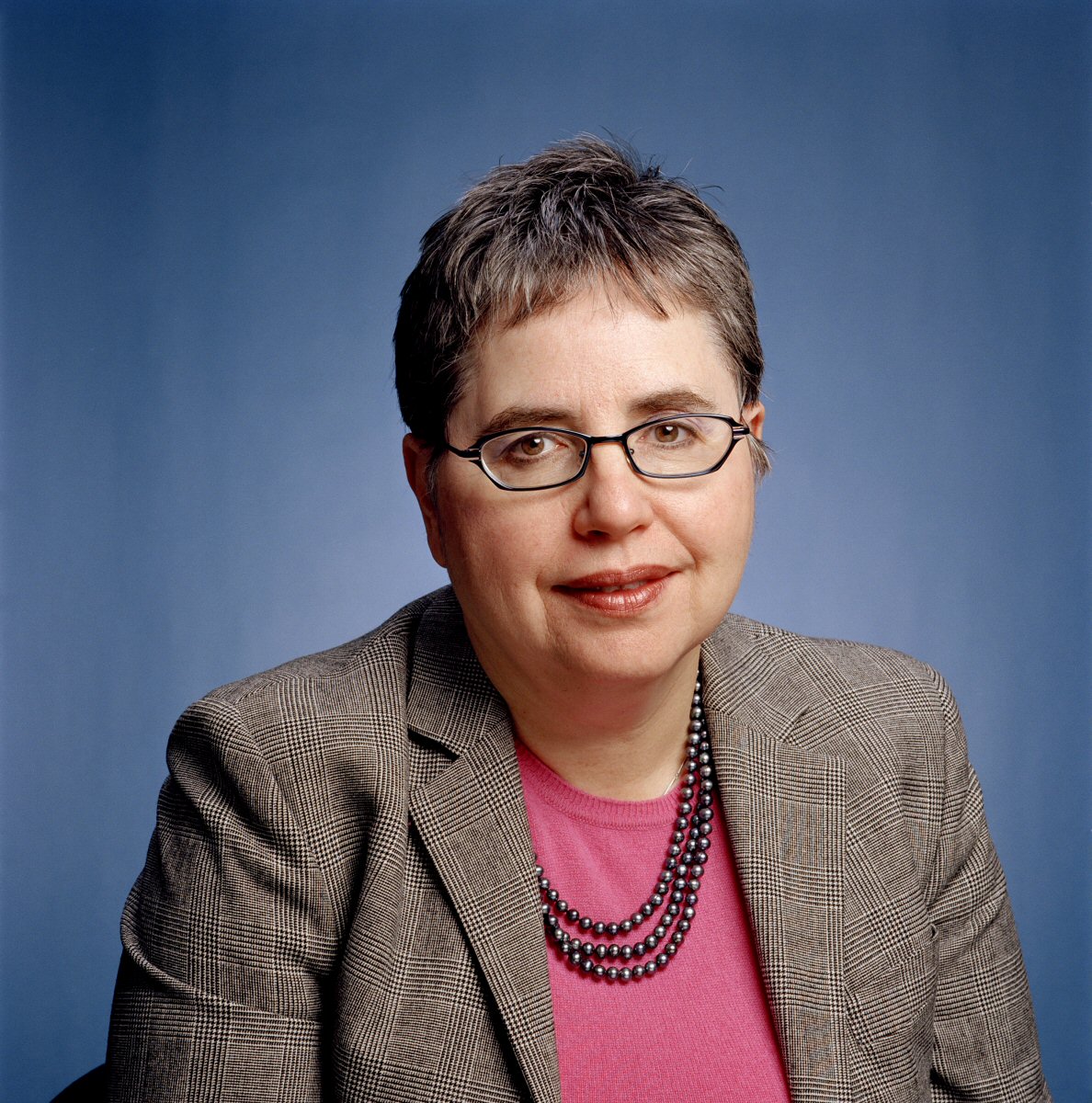
Former Senior Associate, Russia and Eurasia Program and, Co-director, al-Farabi Carnegie Program on Central Asia
Olcott is professor emerita at Colgate University, having taught political science there from 1974 to 2002. Prior to her work at the endowment, Olcott served as a special consultant to former secretary of state Lawrence Eagleburger.
Recent Work
Martha Brill Olcott
Martha Brill Olcott
Carnegie does not take institutional positions on public policy issues; the views represented herein are those of the author(s) and do not necessarily reflect the views of Carnegie, its staff, or its trustees.
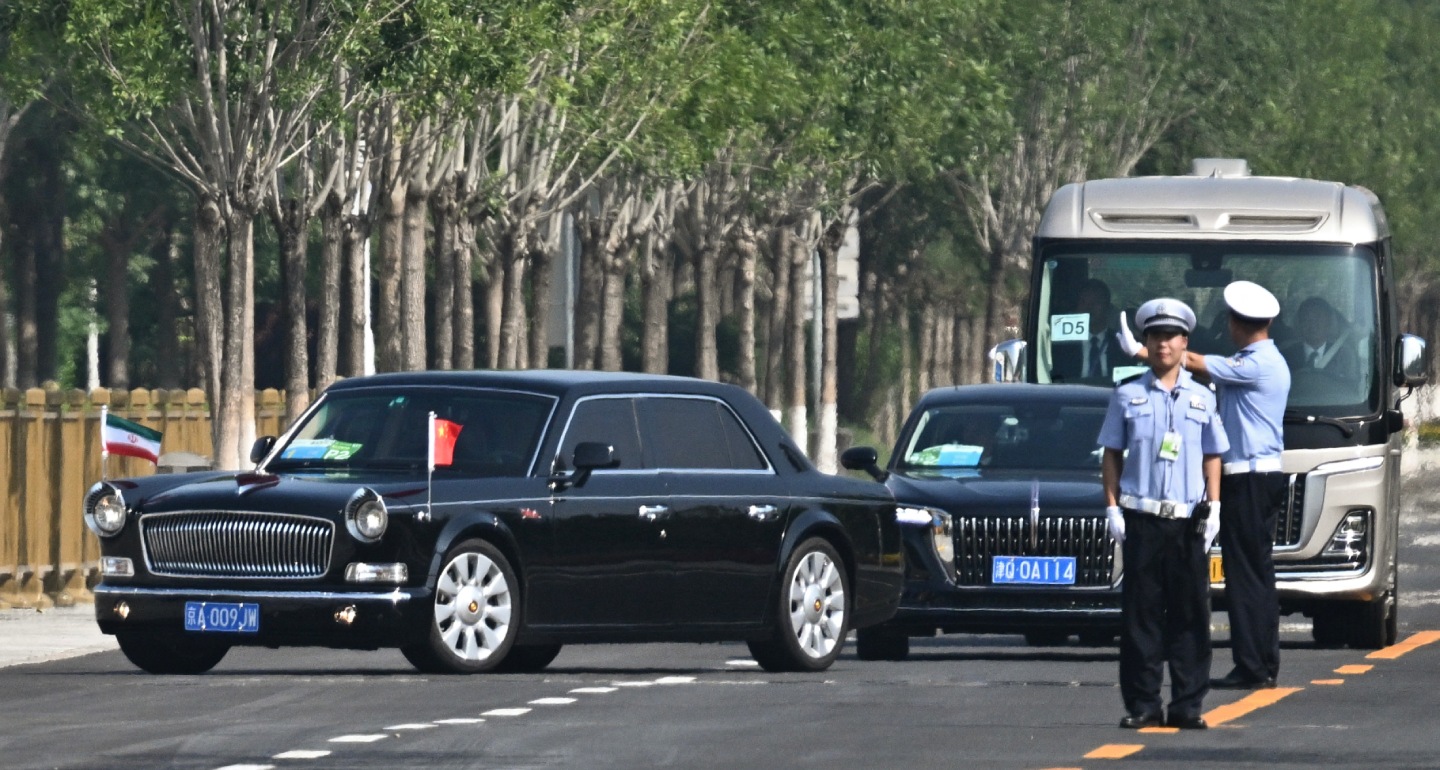
Most of Moscow’s military resources are tied up in Ukraine, while Beijing’s foreign policy prioritizes economic ties and avoids direct conflict.


Alexander Gabuev, Temur Umarov
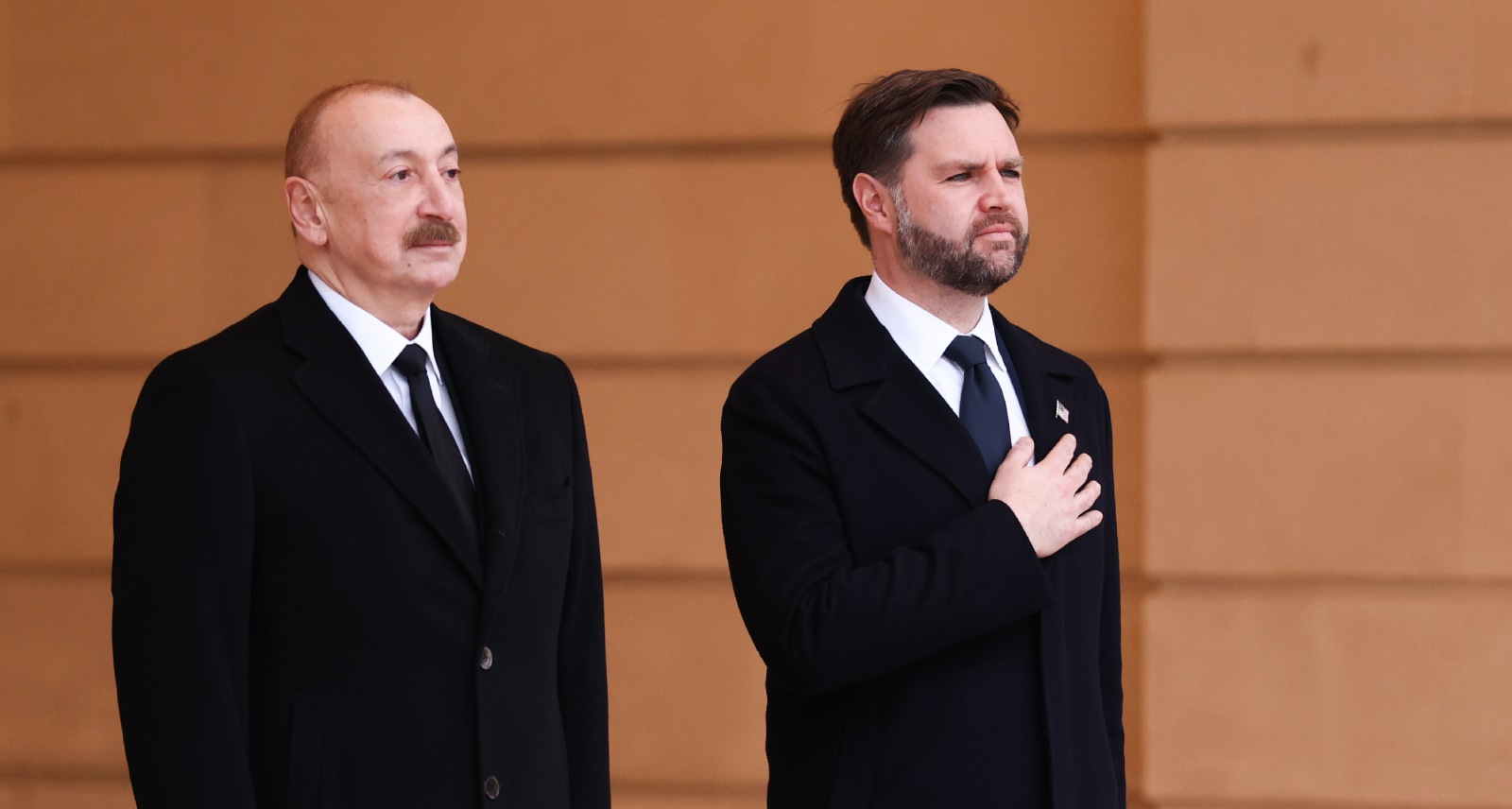
With the White House only interested in economic dealmaking, Georgia finds itself eclipsed by what Armenia and Azerbaijan can offer.

Bashir Kitachaev
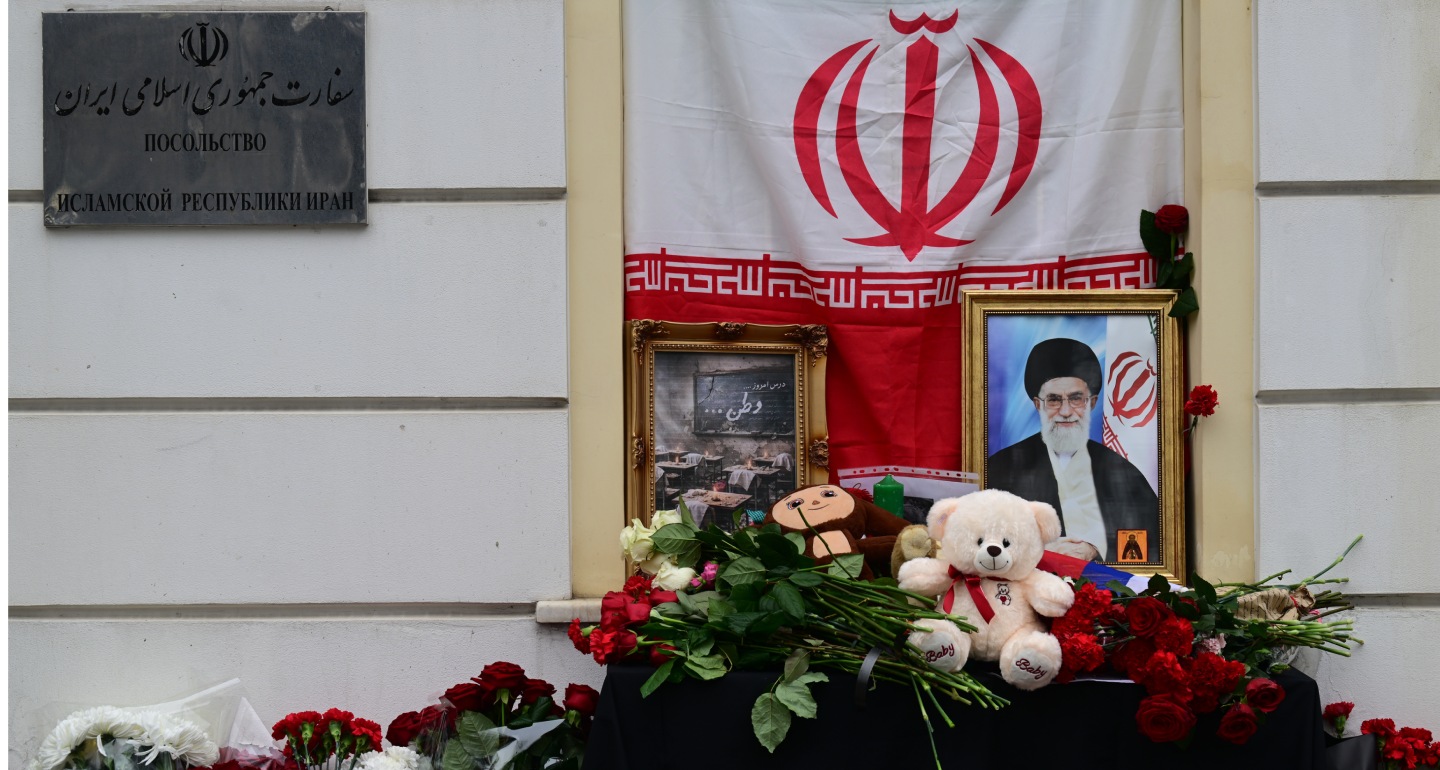
If the regime in Tehran survives, it could be obliged to hand Moscow significant political influence in exchange for supplies of weapons and humanitarian aid.

Nikita Smagin

The interventions in Iran and Venezuela are in keeping with Trump’s strategy of containing China, but also strengthen Russia’s position.

Mikhail Korostikov
Arms supplies from Russia to Iran will not only continue, but could grow significantly if Russia gets the opportunity.
Nikita Smagin