

Report
Mr. Husain Haqqani, Ashley J. Tellis
{
  "authors": [
    "Husain Haqqani"
  ],
  "type": "legacyinthemedia",
  "centerAffiliationAll": "dc",
  "centers": [
    "Carnegie Endowment for International Peace"
  ],
  "collections": [],
  "englishNewsletterAll": "ctw",
  "nonEnglishNewsletterAll": "",
  "primaryCenter": "Carnegie Endowment for International Peace",
  "programAffiliation": "SAP",
  "programs": [
    "South Asia"
  ],
  "projects": [],
  "regions": [
    "Middle East",
    "North Africa",
    "South Asia"
  ],
  "topics": [
    "Security",
    "Military",
    "Foreign Policy"
  ]
}
Source: Getty
The Bush administration is finally taking the task of communicating with the Muslim world seriously. President Bush’s roving ambassador to the Islamic world, Karen Hughes, will need to talk to the people rather than listen to the elites, if she is to succeed in improving the country's abysmal record on public diplomacy.
Source: The Indian Express

Karen Hughes will look at the problem America faces in explaining its policies and actions to the international community, especially its 1.4 billion Muslims and the remedies she suggests will immediately get attention from America’s all powerful President. That is more than the US has been able to achieve in the field of public diplomacy over the last several decades.
Hughes began her stint as public diplomacy czar with a ‘‘listening tour’’ of several Muslim countries. She met with ‘‘opinion leaders’’, held a town hall meeting with women in Saudi Arabia, and impressed almost everyone she met with her desire to listen and learn.
The conservative US publication, The Weekly Standard, described her as ‘‘Karen of Arabia’’ for her ability to present herself as an ordinary American mother engaged in people to people relations and not as a high-ranking official on a serious mission.
According to The Weekly Standard, ‘‘Her unshakable discipline in sticking to the script has a mind-numbing effect when you watch her through several events a day’’.
‘‘I go as an official of the US government, but I’m also a mom, a working mom,’’ she reportedly told reporters on the flight from Washington to Cairo. She repeated that theme throughout her tour. At one point she said, ‘‘I still have to pinch myself a little when I am sitting in a meeting with the king [of Saudi Arabia] and realize that I’m there representing our country’’.
Such humility is unusual in high-ranking officials of any country, let alone the world’s sole superpower. Even if it was scripted, it probably endeared Hughes to her audiences.
But winning hearts and minds for America requires a process, not just the event of Hughes’ listening tour. As she initiates that process, Hughes should be careful not to let the ruling elites of the Muslim world control her understanding of their people and their views of the United States.
Over the years, just as the average Muslim man or woman has been persuaded to turn against America, a class of rulers, diplomats, global bankers and media specialists has been produced that lives off its role as the intermediaries between the United States and the ‘‘backward and complicated’’ Muslim people.
These intermediaries between America and the Muslim world live good lives, often at Uncle Sam’s expense. They also come up with reasons why US foreign policy, and not the failures of Muslim rulers, is somehow to blame for global Muslim decline.
Thus, lack of American support of the Palestinians or the Kashmiris, Moros, and Chechens has been the centerpiece of Muslim public discourse over the past several decades rather than the low human development indicators resulting from lack of investment in education and healthcare.
No one doubts widespread anti-Americanism in Muslim countries but it may not be as deep-rooted a sentiment as is sometimes believed. It is often nurtured by the very elites that the US cultivates.
These elites rent out their support to US policies in return for economic and military aid and anti-Americanism among the people is sometimes an instrument of policy for seeking higher rent for the rulers services on behalf of America.
The Musharrafs and Mubaraks of this world appear more appealing as allies to American policy makers when these rulers are seen as controlling difficult populations that passionately hate the US.
Ordinary Muslims are not totally unresponsive to America’s positive actions or policies as is sometimes suggested. Significant US military sales to the Suharto regime in Indonesia, for example, did not win America much support but, according to polling data released by Ken Ballen of Terror Free Tomorrow, humanitarian assistance after the tsunami dented anti-Americanism among grateful Indonesian Muslims.
Successive US administrations have ignored the Muslim Street, being content instead to depend upon friendly potentates and dictators. But such dependence also makes the US vulnerable to manipulation by its allies. The deployment of anti-Americanism among the people, to seek higher rent for cooperation with the US, is part of that manipulative process.
The new US public diplomacy should not allow itself to be derailed by the over-simplification that America would be liked much more if only the world knew its good intentions. Nor should it remain a prisoner of the deviousness of America’s authoritarian allies.
The most important thing is to identify cultural intermediaries and interlocutors who are as serious about fighting anti-Americanism in the Muslim world as Hughes herself.
Surely, the beneficiaries of the gulf between the US and the world’s Muslims — those who profit from US aid to stabilise ‘unstable’ countries — would not want the status quo to change.
Former Visiting Scholar
Recent Work
Mr. Husain Haqqani, Ashley J. Tellis
Mr. Husain Haqqani
Carnegie does not take institutional positions on public policy issues; the views represented herein are those of the author(s) and do not necessarily reflect the views of Carnegie, its staff, or its trustees.

Minsk’s faith in the future of its larger neighbor’s economy is fading as Belarusian firms in Russia see record losses.

Olga Loiko
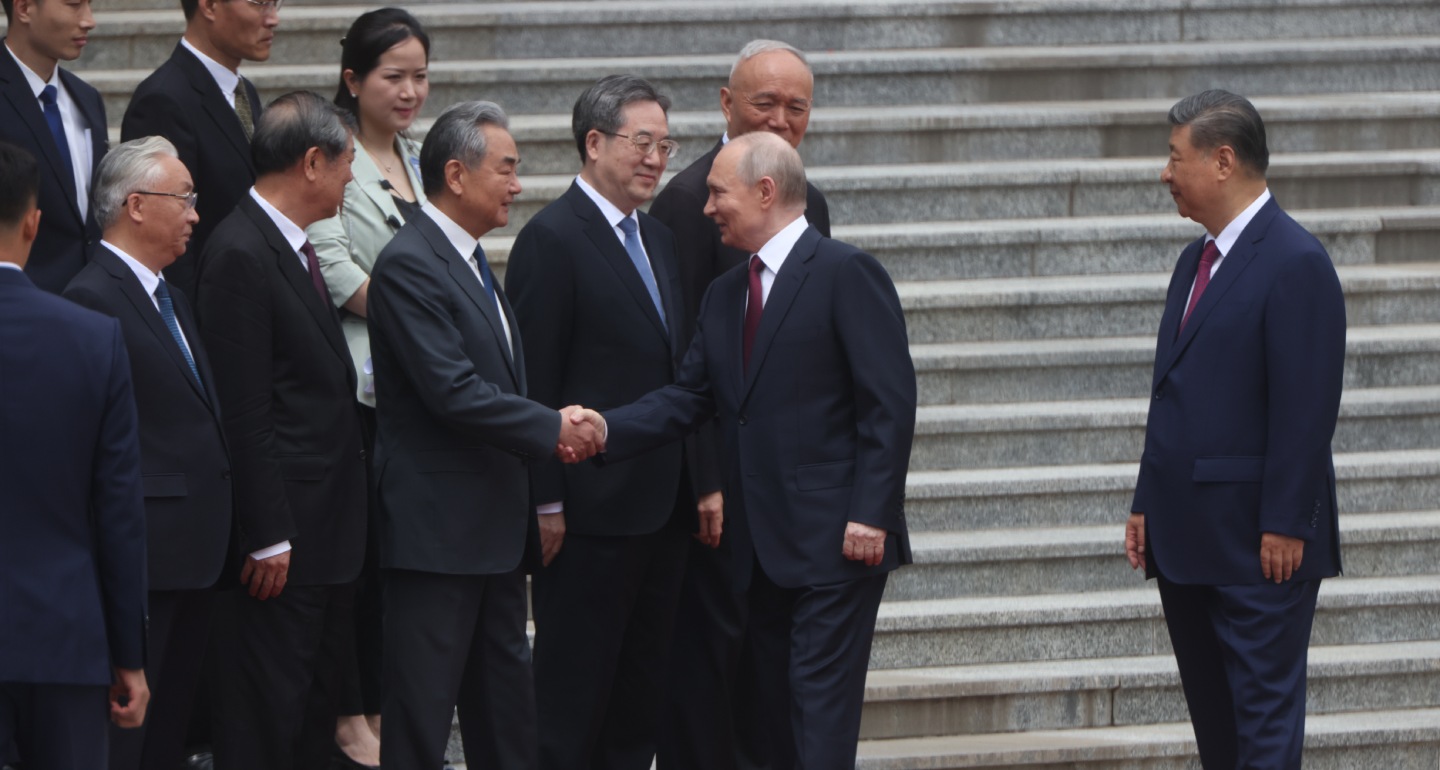
With no key agreement signed on the Power of Siberia 2 gas pipeline, there is a risk that the window of opportunity for Russia will close if Chinese power generation becomes so green that new gas sources are no longer of any interest to Beijing.

Alexander Gabuev
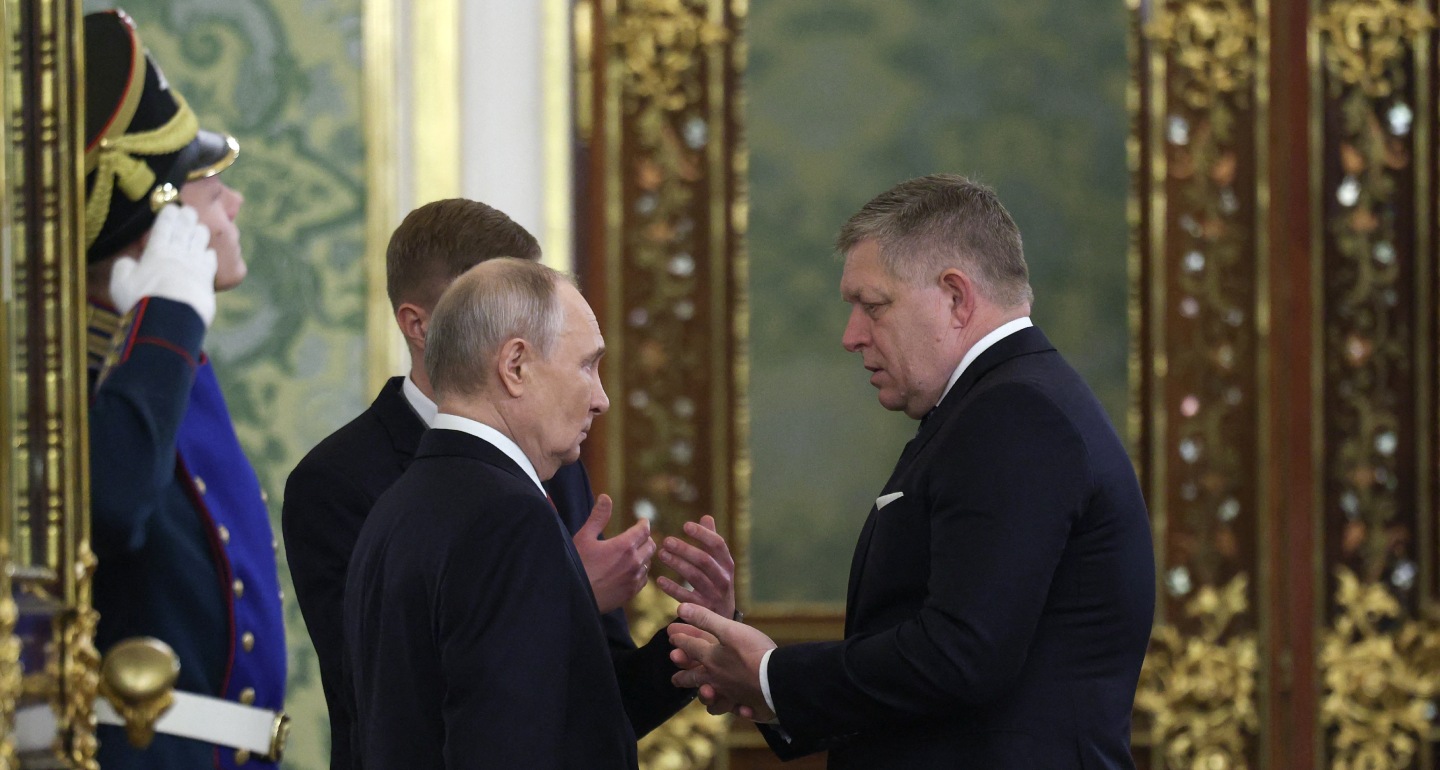
Though Orban is gone, Putin can still count on some like-minded individuals in Central and Eastern Europe. However, they will seek to avoid open confrontation with EU institutions over Ukraine and their ties with Moscow.

Dimitar Bechev

The truth is that Japan’s government is seeking a degree of reengagement but at a vastly reduced level than under Abe. Most significantly, Japan has shown no willingness to ease sanctions.

James D.J. Brown
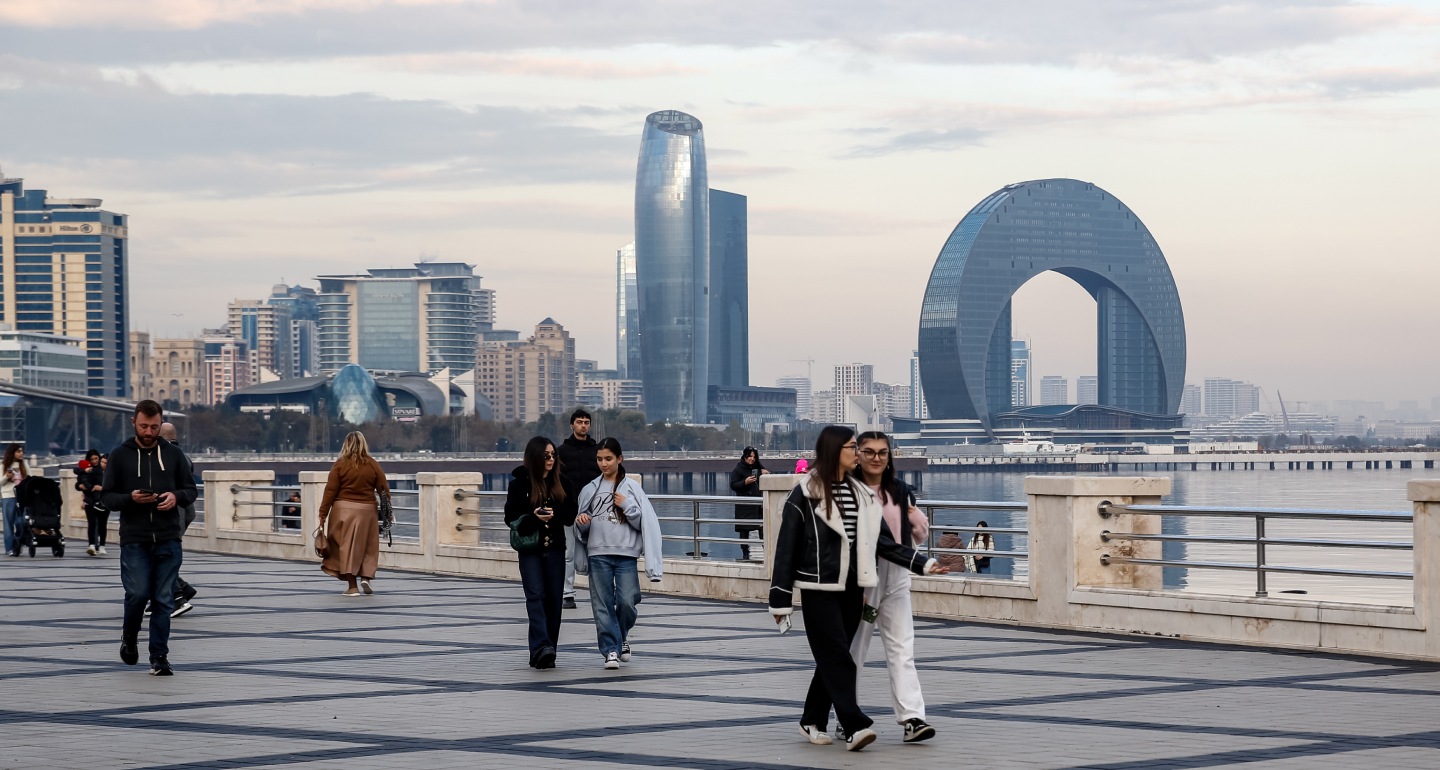
Azerbaijan’s relations with the EU appear to be going from strength to strength after several years in the deep freeze following the military escalation in Karabakh in 2023 and Azerbaijan’s bitter fallout with France and several other EU member states.

Shujaat Ahmadzada