

Report
- +2
George Perkovich, Jessica Tuchman Mathews, Joseph Cirincione, …
{
  "authors": [
    "Joseph Cirincione"
  ],
  "type": "legacyinthemedia",
  "centerAffiliationAll": "dc",
  "centers": [
    "Carnegie Endowment for International Peace"
  ],
  "collections": [
    "U.S. Nuclear Policy"
  ],
  "englishNewsletterAll": "ctw",
  "nonEnglishNewsletterAll": "",
  "primaryCenter": "Carnegie Endowment for International Peace",
  "programAffiliation": "NPP",
  "programs": [
    "Nuclear Policy"
  ],
  "projects": [],
  "regions": [
    "North America",
    "United States"
  ],
  "topics": [
    "Nuclear Policy",
    "Nuclear Energy"
  ]
}
REQUIRED IMAGE
Director for Nonproliferation Joseph Cirincione wrote this article for the Special 60th Anniversary Issue of the Bulletin of the Atomic Scientists, November/December 2005.
During the last 60 years, we missed several opportunities to contain the nuclear threat. It's not too late to learn from our mistakes.
"The hope of civilization," President Harry S. Truman said in his message to Congress in October 1945, "lies in international arrangements looking, if possible, to the renunciation of the use and development of the atomic bomb." One month later, Truman joined the leaders of Britain and Canada to propose to the new United Nations that all atomic weapons be eliminated and that nuclear technology for peaceful purposes be shared under stringent international controls. By 1946, he had a detailed plan that included many of the nuclear nonproliferation proposals still debated today, including a ban on the production of new weapons and fissile material for weapons; international control of nuclear fuel; a strict inspection regime; and complete nuclear disarmament.
But in the United States, opponents of the proposal said America should hold on to its nuclear monopoly. In the Soviet Union, Joseph Stalin wanted his own bombs. Both nations opted to seek security through atomic arsenals, not atomic treaties. The end result? The number of nuclear weapons grew from the two fission bombs held by the United States in November 1945 to more than 27,000 nuclear and thermonuclear bombs held by eight or nine nations today.
Now, as then, there is a clash of strategies. Proposals to reduce stockpiles, end production of nuclear weapon materials, increase international controls, and create new mechanisms for producing nuclear fuel vie with strategies to deploy new nuclear weapons, preserve large nuclear arsenals indefinitely, block selected nations from getting nuclear technology, and counter proliferation through military action. The nuclear expansionists defend these latter strategies as "new thinking" best suited to an era when terrorists and rogue nations can ignore arms control treaties and exploit our supposedly naïve faith in international law. But, as the history of the last six decades reveals, this so-called new thinking has time and again led us down a dead end.
Click here for the full text of the article on the Bulletin of the Atomic Scientists website.
Former Senior Associate, Director for NonProliferation
Recent Work


George Perkovich, Jessica Tuchman Mathews, Joseph Cirincione, …
Joseph Cirincione
Carnegie does not take institutional positions on public policy issues; the views represented herein are those of the author(s) and do not necessarily reflect the views of Carnegie, its staff, or its trustees.

Ongoing uncertainty in the Middle East allows Moscow to both increase its influence in Tehran and continue to enjoy the financial windfall of higher oil prices.

Nikita Smagin
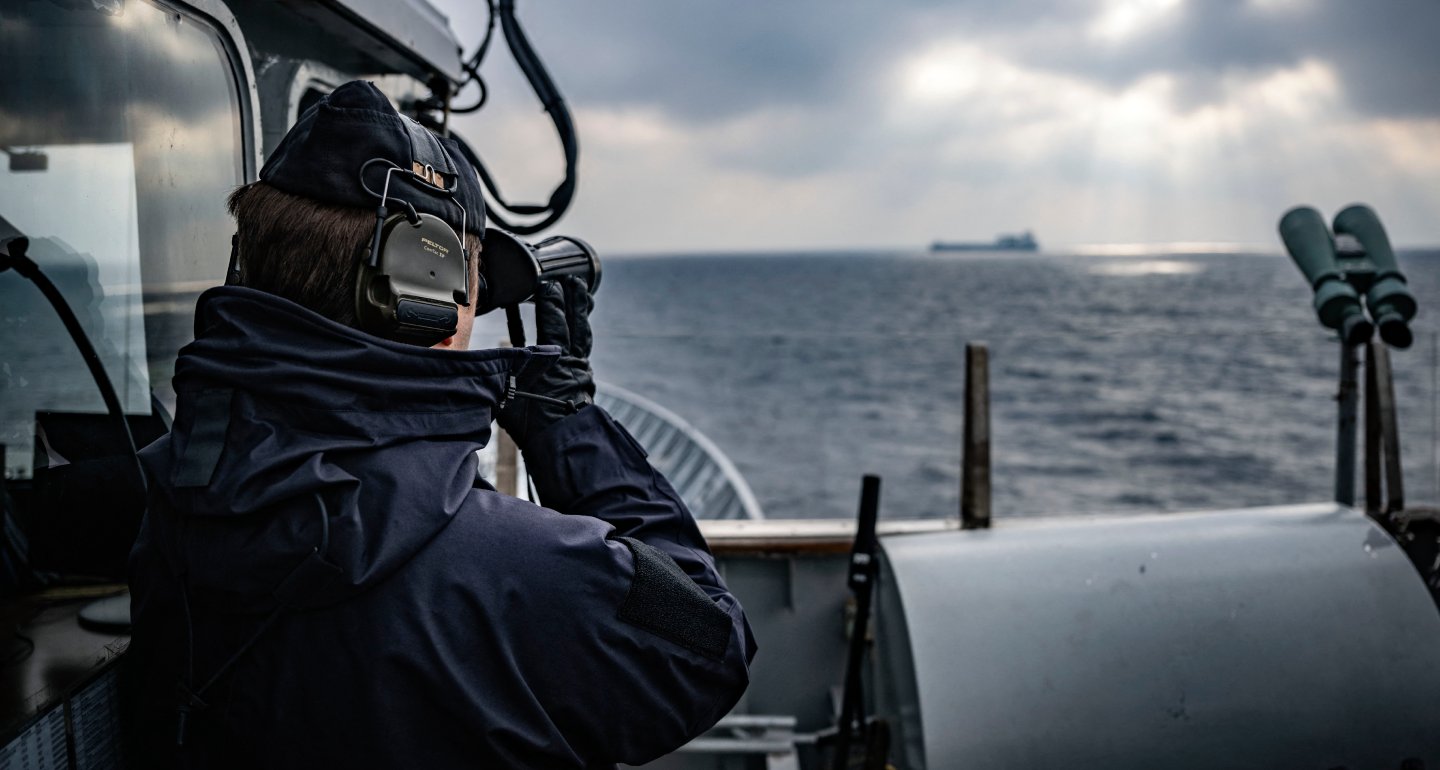
Governments in Estonia, Latvia, and Lithuania want to ensure that a U.S. military withdrawal would not leave them dangerously exposed to a Russian attack.

Sergejs Potapkins
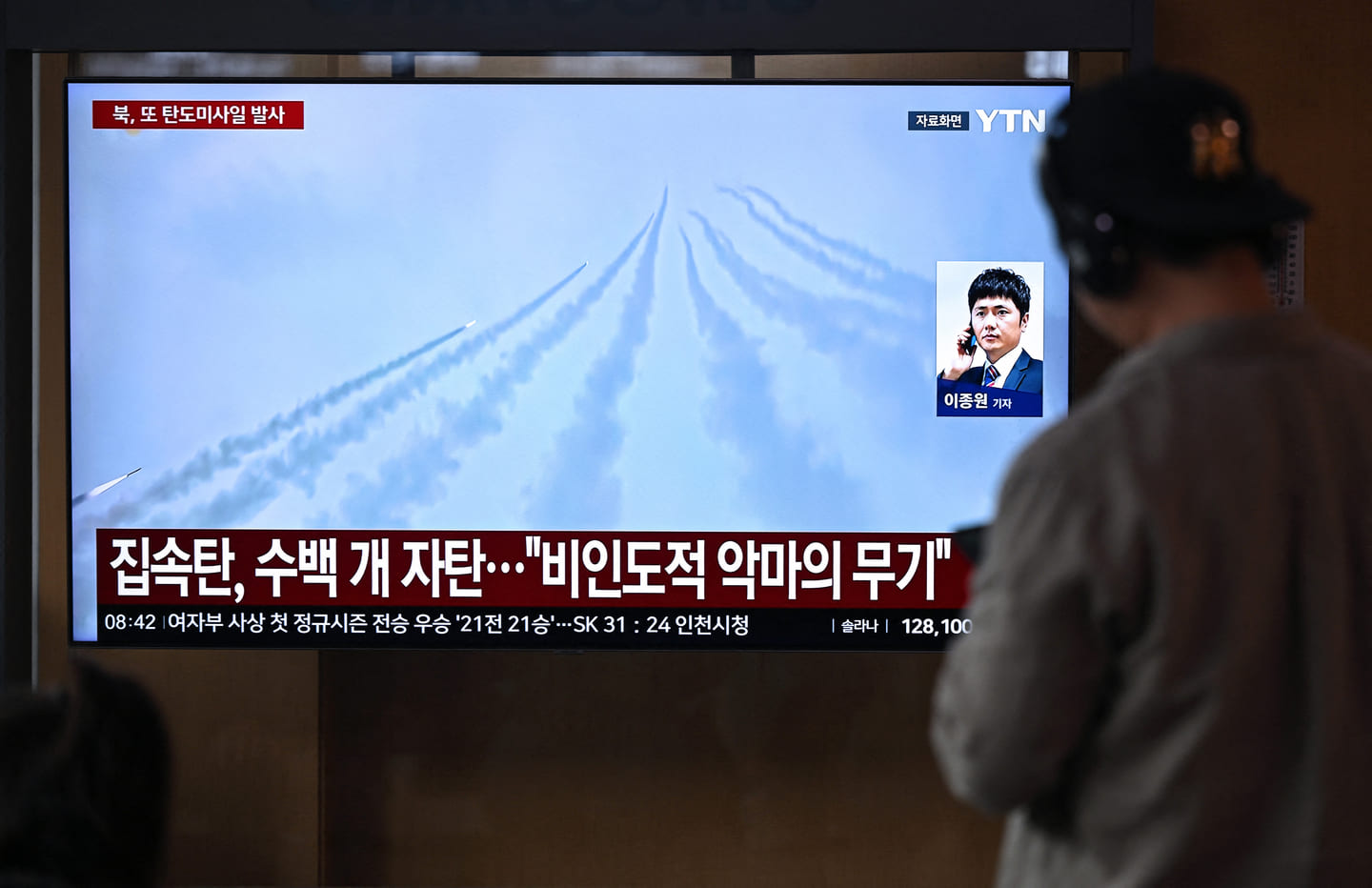
Troubled by the growing salience of nuclear debates in East Asia, Moscow has responded in its usual way: with condemnation and threats. But by exacerbating insecurity, Russia is forcing South Korea and Japan to consider radical security options.

James D.J. Brown
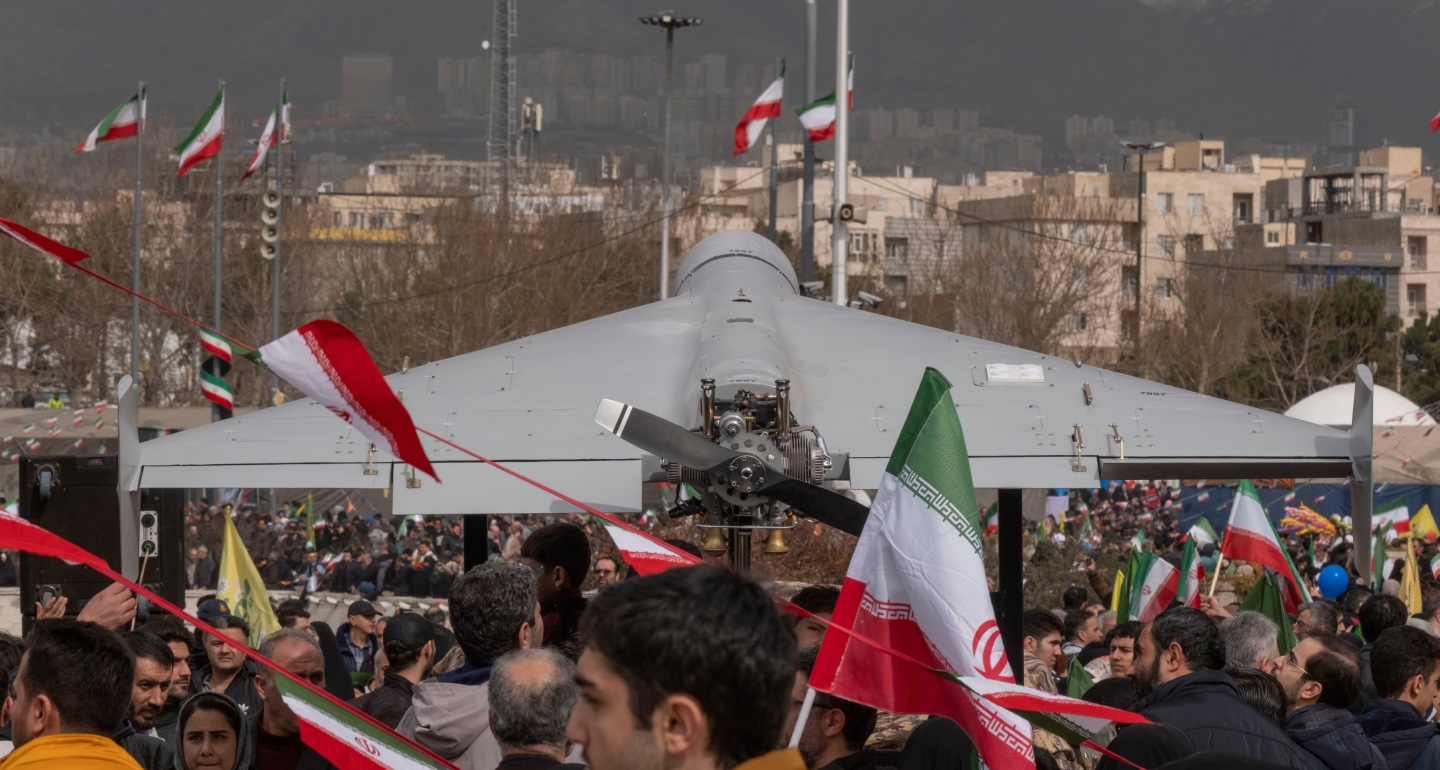
The Russian leadership wants to avoid a dangerous precedent in which it is squeezed out of Iran by the United States and Israel—and left powerless to respond in any meaningful way.
Nikita Smagin
Lukashenko is willing to make big sacrifices for an invitation to Mar-a-Lago or the White House. He also knows that the clock is ticking: he must squeeze as much out of the Trump administration as he can before congressional elections in November leave Trump hamstrung or distracted.

Artyom Shraibman