

Commentary
With the growth in points of friction between the great powers, organizations like the SCO will continue to play a role in the strategic adaptation of the smaller powers caught between them.
Temur Umarov
{
  "authors": [
    "Bruce Stokes"
  ],
  "type": "legacyinthemedia",
  "centerAffiliationAll": "",
  "centers": [
    "Carnegie Endowment for International Peace"
  ],
  "collections": [],
  "englishNewsletterAll": "",
  "nonEnglishNewsletterAll": "",
  "primaryCenter": "Carnegie Endowment for International Peace",
  "programAffiliation": "",
  "programs": [],
  "projects": [],
  "regions": [
    "North America",
    "Middle East",
    "China"
  ],
  "topics": [
    "Economy",
    "Trade"
  ]
}
REQUIRED IMAGE
Bruce Stokes comments on Sandra Polaski's new report on the WTO Doha Round, Winners and Losers, in The National Journal.
Bruce Stokes comments on Sandra Polaski's new report on the WTO Doha Round, Winners and Losers, in The National Journal:
American cattlemen, poultry producers, and moviemakers can expect to be winners in the current Doha Round of multilateral trade negotiations, according to a new computer model that measures the impact of a likely outcome of the talks. The model will be released March 15 in Washington by the Carnegie Endowment for International Peace. But the American successes will, in part, be offset by the losses that U.S. soybean growers and automakers will incur. In the end, the round will do nothing to reduce the mushrooming U.S. trade deficit.
Bruce Stokes
Carnegie does not take institutional positions on public policy issues; the views represented herein are those of the author(s) and do not necessarily reflect the views of Carnegie, its staff, or its trustees.

With the growth in points of friction between the great powers, organizations like the SCO will continue to play a role in the strategic adaptation of the smaller powers caught between them.

Temur Umarov

When faced with fuel shortages in the past, Central Asian governments could always count on additional supplies from Moscow. That safety net no longer exists.

Galiya Ibragimova
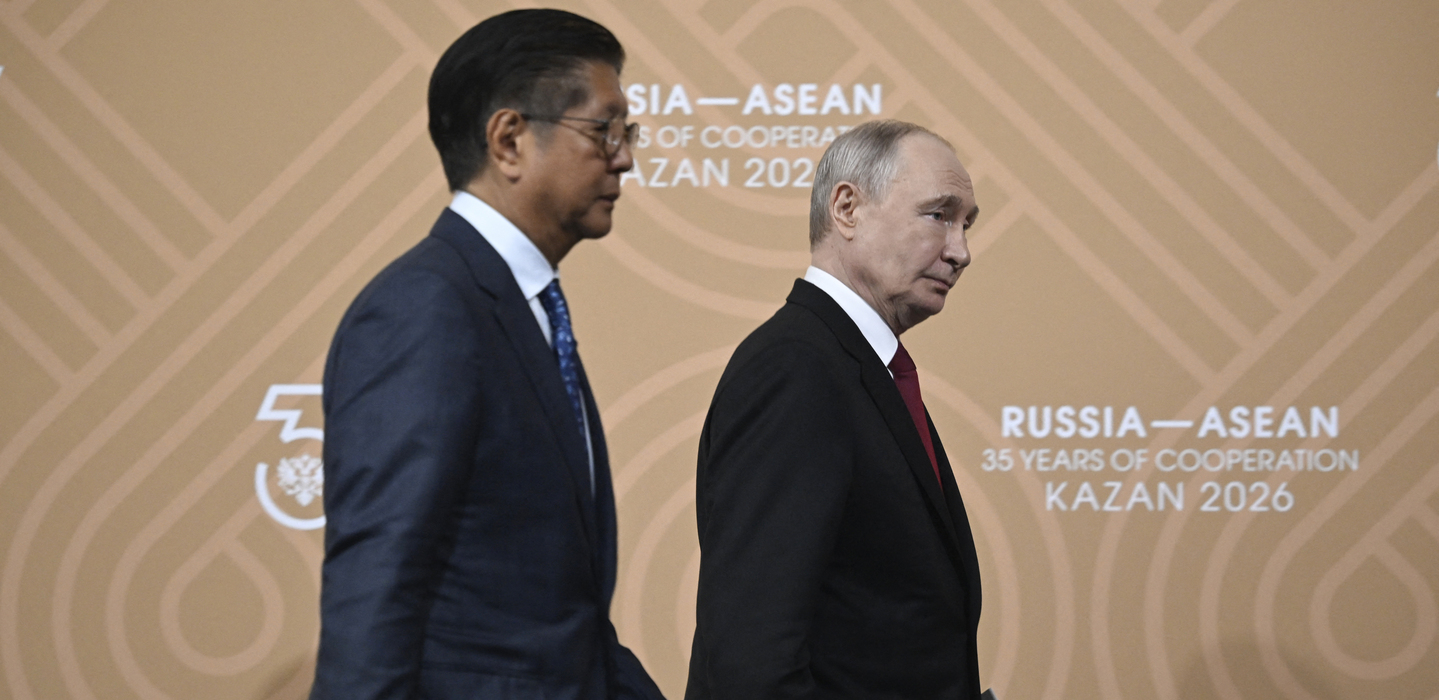
Russia looks set to reap economic benefits from closer ties with Southeast Asian countries that are keen to find reliable energy suppliers and diversify trade ties.

Alexander Gabuev
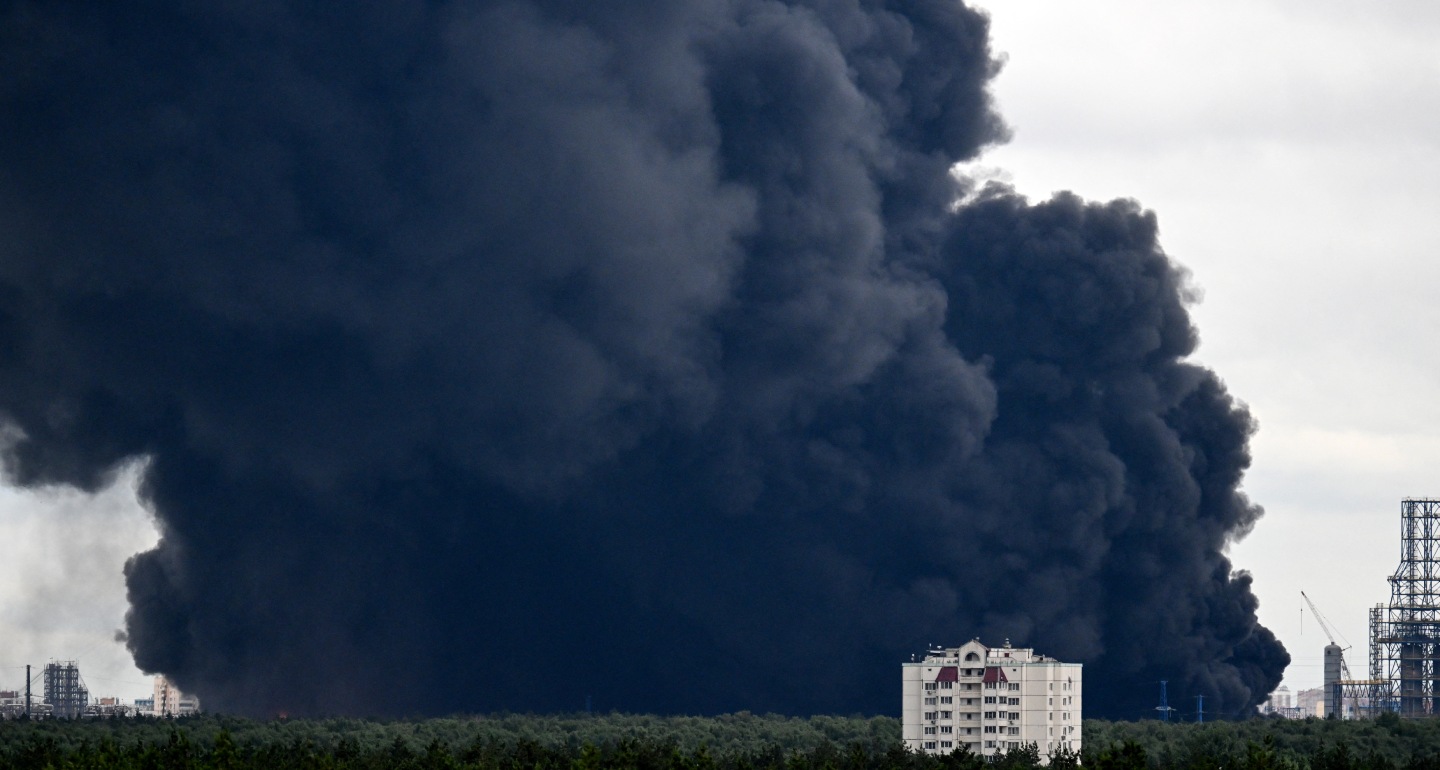
If it proves impossible for the Russian authorities to avoid a gasoline deficit, the question then becomes how they will organize the distribution of a scarce resource.

Sergey Vakulenko

This year’s wars have made alternative routes to transit through Russia no less risky for Central Asian countries.
Galiya Ibragimova