

Paper
Ashley J. Tellis
{
  "authors": [
    "Ashley J. Tellis"
  ],
  "type": "legacyinthemedia",
  "centerAffiliationAll": "dc",
  "centers": [
    "Carnegie Endowment for International Peace"
  ],
  "collections": [],
  "englishNewsletterAll": "ctw",
  "nonEnglishNewsletterAll": "",
  "primaryCenter": "Carnegie Endowment for International Peace",
  "programAffiliation": "SAP",
  "programs": [
    "South Asia"
  ],
  "projects": [],
  "regions": [
    "North America",
    "United States",
    "South Asia",
    "India"
  ],
  "topics": [
    "Nuclear Policy"
  ]
}
Source: Getty
Missile defenses have come to reflect both an example of, and a means toward, the steady improvement in U.S.-Indian ties occurring in recent years. A deepening bilateral relationship has become part of New Delhi's larger solution to increasing India's capacity to defeat those threats requiring active defenses in the future.
Source: International Security

In International Security article, “The Evolution of U.S.-Indian Ties: Missile Defense in an Emerging Strategic Relationship,” Carnegie Senior Associate, Ashley J. Tellis argues that what is fascinating about this evolution is the manner in which missile defenses have come to reflect both an example of, and a means toward, the steady improvement in U.S.-Indian ties occurring in recent years. This, in turn, implies that a deepening bilateral relationship has become part of New Delhi's larger solution to increasing India's capacity to defeat those threats requiring active defenses in the future.
Click here for the full text of the article (Subscription Required).
Former Senior Fellow
Ashley J. Tellis was a senior fellow at the Carnegie Endowment for International Peace.
Recent Work
Ashley J. Tellis
Ashley J. Tellis
Carnegie does not take institutional positions on public policy issues; the views represented herein are those of the author(s) and do not necessarily reflect the views of Carnegie, its staff, or its trustees.
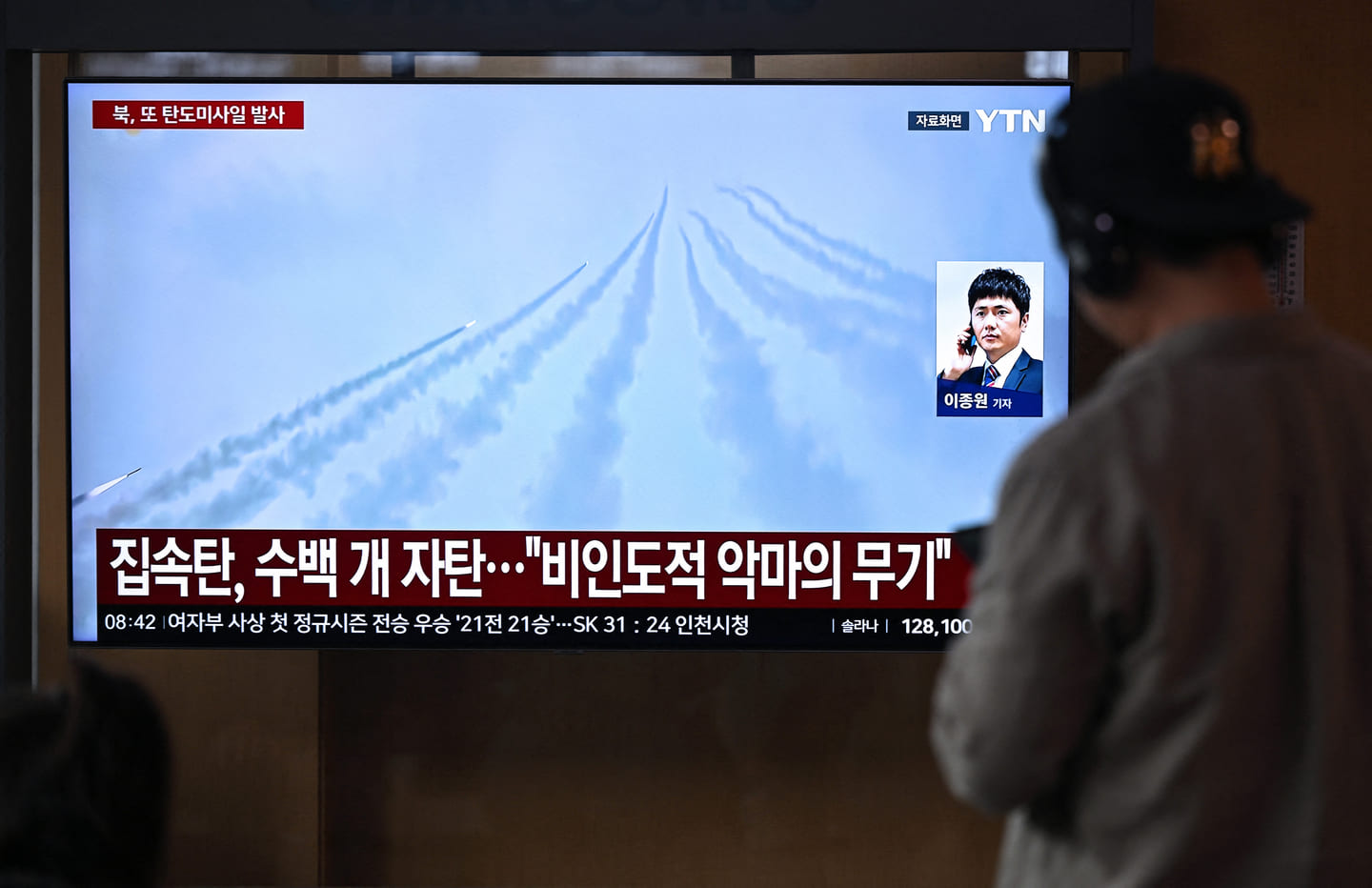
Troubled by the growing salience of nuclear debates in East Asia, Moscow has responded in its usual way: with condemnation and threats. But by exacerbating insecurity, Russia is forcing South Korea and Japan to consider radical security options.

James D.J. Brown
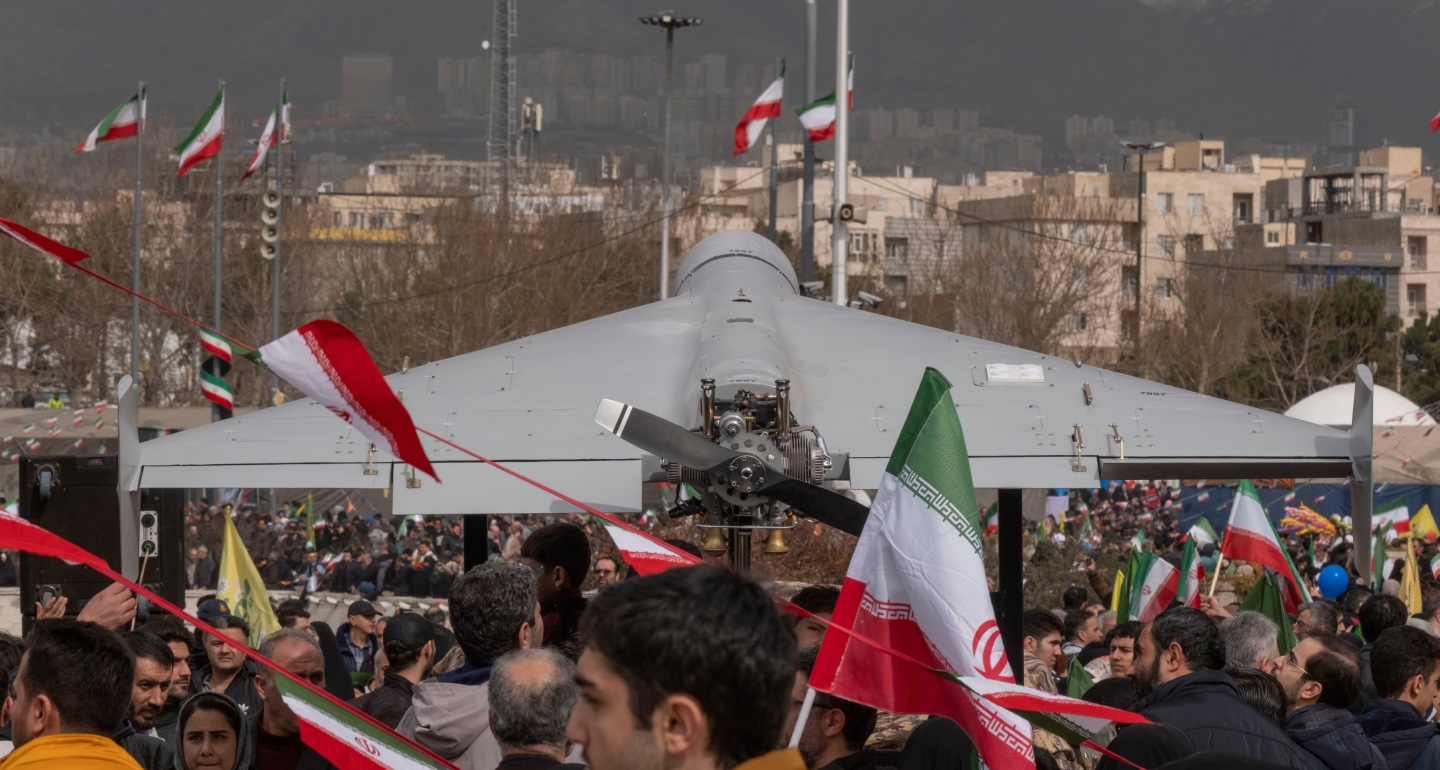
The Russian leadership wants to avoid a dangerous precedent in which it is squeezed out of Iran by the United States and Israel—and left powerless to respond in any meaningful way.

Nikita Smagin
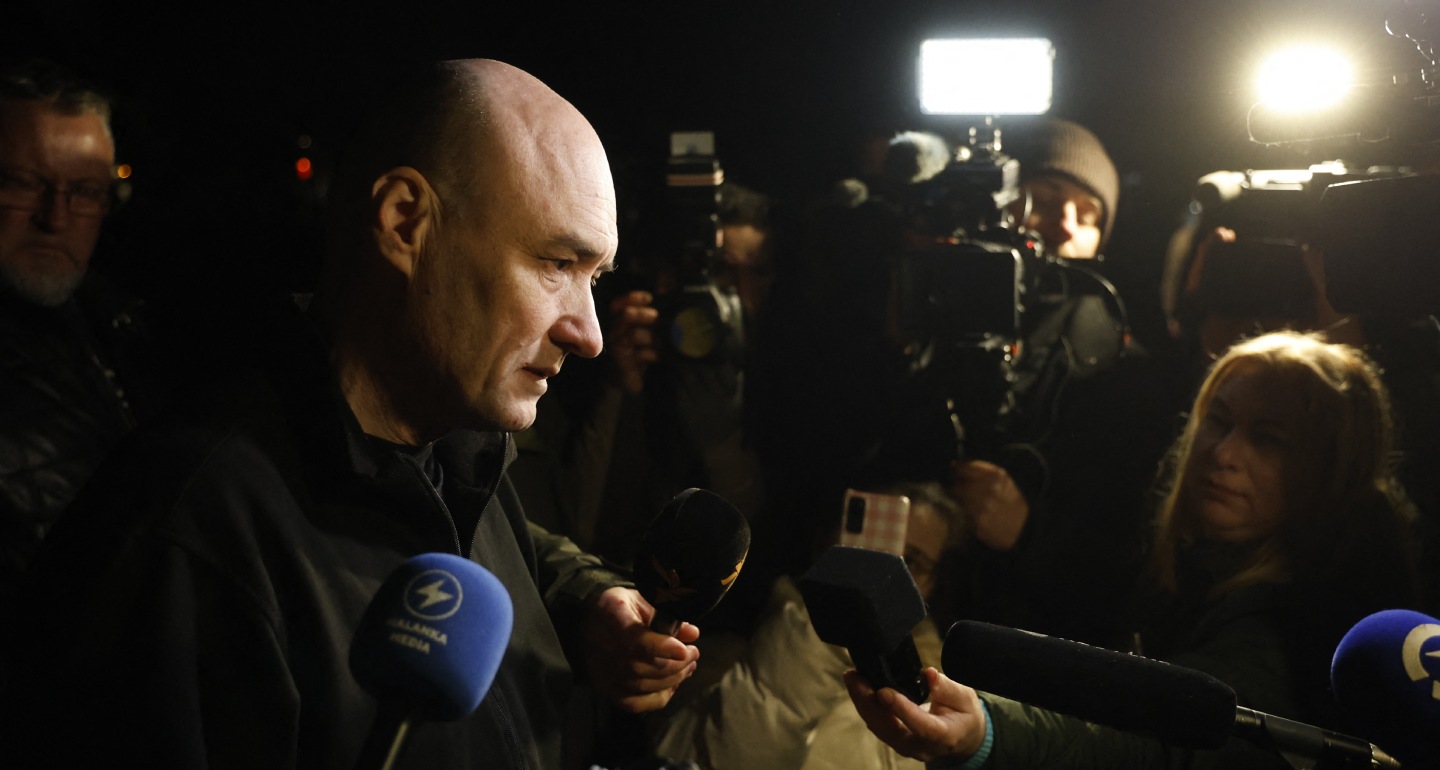
Lukashenko is willing to make big sacrifices for an invitation to Mar-a-Lago or the White House. He also knows that the clock is ticking: he must squeeze as much out of the Trump administration as he can before congressional elections in November leave Trump hamstrung or distracted.

Artyom Shraibman
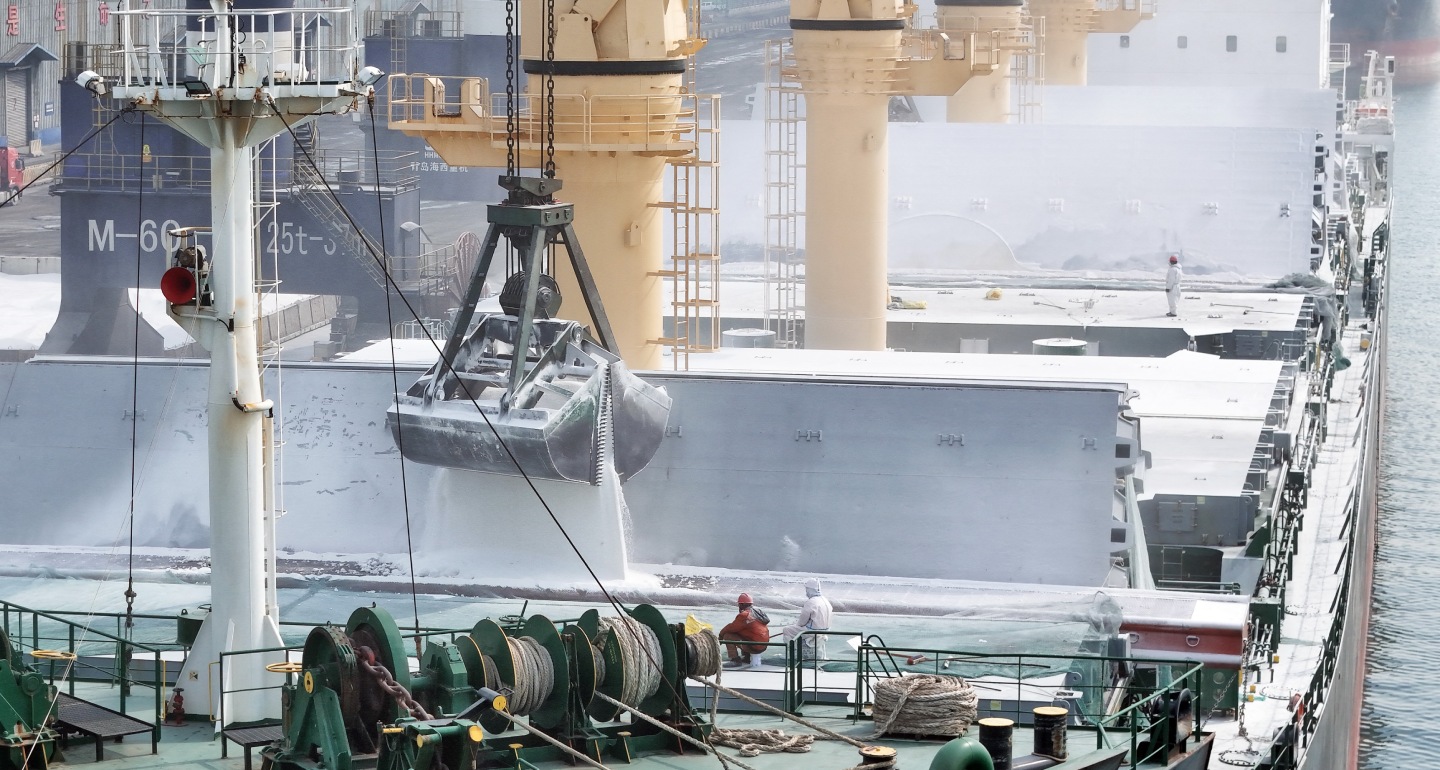
The Kremlin expects to not only profit from rising fertilizer prices but also exact revenge for the collapse of the 2023 grain deal.
Alexandra Prokopenko
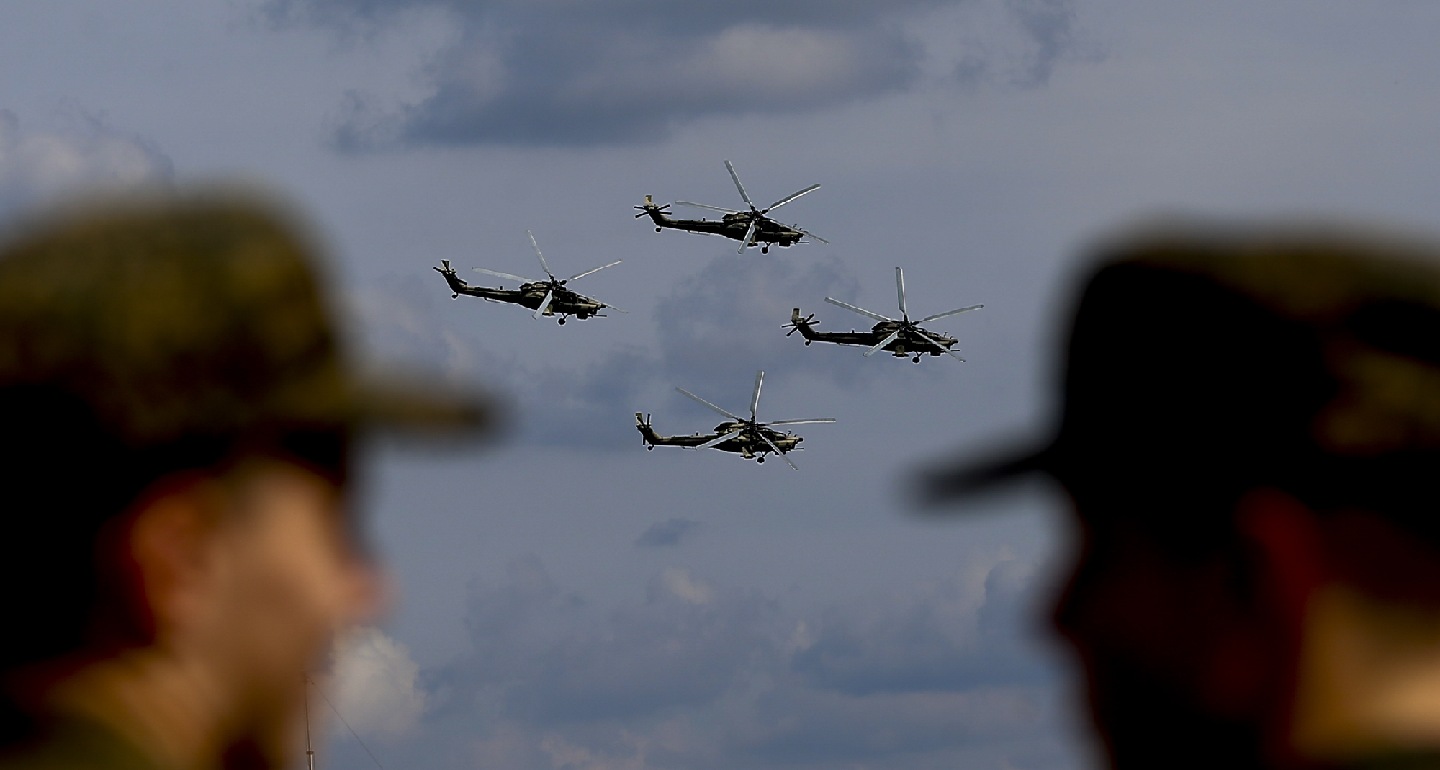
Arms supplies from Russia to Iran will not only continue, but could grow significantly if Russia gets the opportunity.
Nikita Smagin